AirBaltic files for bankruptcy weeks before new Gatwick to Lapland flights take off
The airline flies between Gatwick and Riga and is due to launch Lapland flights from the airport this winter.
6 October 2026 · 3 min read
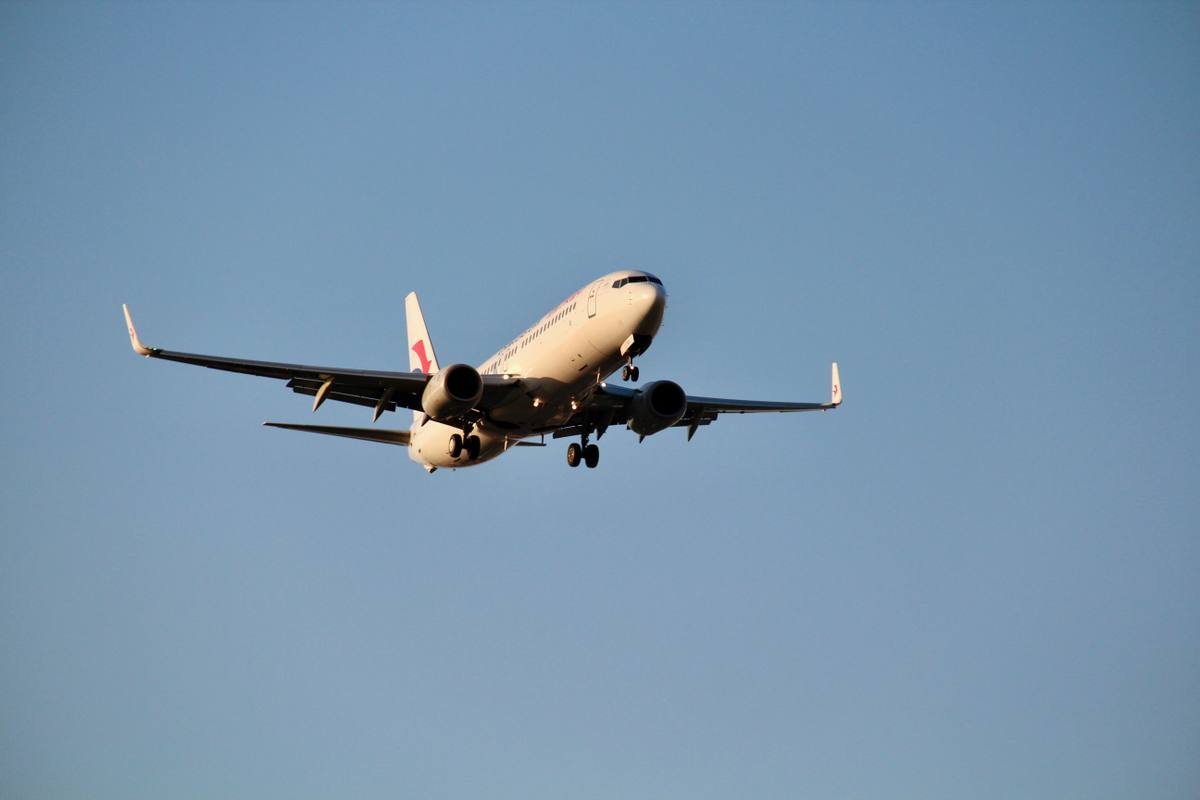
A European airline that flies from London Gatwick has filed for bankruptcy, leaving passengers wondering what it means for their trips.
AirBaltic, Latvia's national airline, filed for Chapter 11 protection in a New York court on 14 September. Chapter 11 is a US process that lets a company keep running while it sorts out its debts.
The airline flies direct between Gatwick and Riga, the Latvian capital. From 13 December, it's also due to start weekly Sunday flights from Gatwick to Kuusamo in Finnish Lapland, a popular Christmas and ski destination.
To save money, AirBaltic plans to cut its fleet from 54 planes to 36 by the end of 2026. Some staff may lose their jobs, although the airline says no number has been decided.
The airline borrowed €30 million (£26 million) from the Latvian government in April. Since then, rising fuel costs linked to the crisis in the Middle East have added to its money problems.
The airline's chairman, Andrejs Martinovs, said the process "allows the company to continue operating" while it agrees new terms with the companies it owes money to.
What the Chapter 11 Restructuring Means for Passengers
AirBaltic has not cancelled any flights. It says flights, bookings and customer services are running as normal.
The airline has €350 million (£300 million) of financing lined up, subject to court approval. It expects the court process to finish by June next year.
Simon McCulloch, Chief Commercial Officer at Staysure, said: "AirBaltic has been clear that flights are operating as normal and bookings remain valid during the Chapter 11 process. Chapter 11 is a legal restructuring process, not a liquidation. That's an important distinction for passengers: it's designed to keep the airline flying while it sorts out its finances, as we saw with Scandinavian Airlines (SAS) in 2022."
He added: "That said, passengers with upcoming bookings should keep an eye on their flight status and any communications from the airline over the coming months, as restructuring can sometimes mean route or schedule changes.
"If a flight is cancelled or significantly delayed as a result of any operational changes, passengers departing from or arriving into the UK or EU are still protected under UK261/EU261 rules, regardless of the airline's financial position. The airline remains liable for those obligations throughout the process."
Passenger Rights, Refunds and Insurance Cover
Hannah Mayfield, travel money expert at PayingTooMuch, said: "The word 'bankruptcy' can understandably cause concern, but it's important to look at what Chapter 11 means here. It's a US court-supervised restructuring process rather than a shutdown. Also, AirBaltic has confirmed that flights, bookings and customer services are continuing as normal, with tickets remaining valid.
"So voluntarily cancelling means that travellers might not get their money back."
She said: "If you have an upcoming booking with the airline, it's worth checking what protection you have, as this depends on how you booked and paid. If your flight is part of a package holiday, you're likely to have ATOL protection through your package organiser, which can provide financial protection if the company you booked with stops trading.
"Flight-only bookings are different. ATOL generally won't apply if you booked directly with AirBaltic, but you may have other options. Credit card payments over £100 may be covered by Section 75, while debit card payments may be eligible for a chargeback if the airline fails to provide the service. Neither is automatic, so you'll need to contact your card provider or bank to make a claim."
On travel insurance, McCulloch said: "Anyone concerned about a future booking should check what their travel insurance covers. Standard policies typically don't cover 'scheduled airline failure' unless you've bought specific airline failure/insolvency cover or your policy includes it as standard, so it's worth checking your wording now rather than waiting until you're trying to travel. If in doubt, contact your airline or travel provider directly to confirm your booking status before you are due to fly."
Mayfield added: "Travel insurance is also worth checking carefully. Scheduled Airline Failure Insurance is often an optional extra rather than standard cover, and policies bought after a known event may exclude it. With AirBaltic's Chapter 11 filing announced on 14 September, a new policy is therefore unlikely to cover the airline's failure specifically.
"Finally, keep an eye on your route, particularly as AirBaltic reviews its fleet and workforce. If your flight is cancelled or disrupted, check your rights for refunds and rerouting before making a decision. Knowing your protection rights now can make it much easier to understand your options if your plans change."
Contributor at The London News