Avoid the Porthole Trap: The Costly Winter Mistake Risking Fines and Points
3 November 2026 · 4 min read
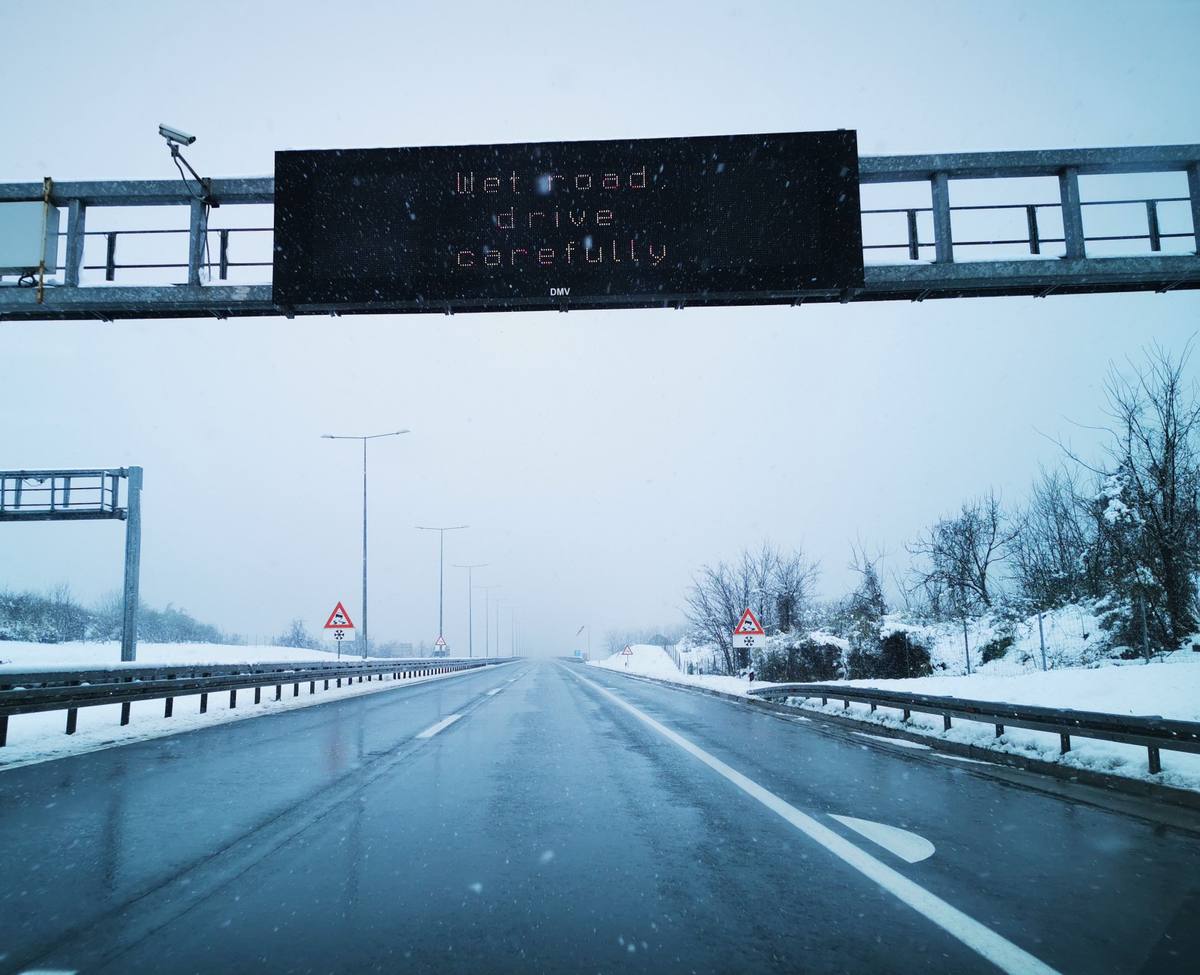
UK drivers are being warned that common cold-weather shortcuts, from scraping a tiny ‘porthole’ in a frozen windscreen to getting behind the wheel in wellies, could land them with fines of up to £1,000 and penalty points on their licence this winter.
With the clocks going back and the Met Office forecasting colder, darker conditions alongside seasonal ice warnings, motorists are turning online to get advice on how to ensure their vehicles are winter-ready. Data reveals Google Trends interest in ‘car sharing’ has surged by 196% over the past two weeks, while Pinterest users are actively searching ‘Winter Car Prep’ and the #CarTokUK trend continues to gather pace across TikTok.
Alongside the online spike, more motorists are borrowing vehicles better suited to adverse conditions, such as a relative’s 4x4 or SUV, for essential trips when severe weather hits. Now, short-term insurance experts at GoShorty are urging drivers to brush up on road laws and safety checks before heading out.
Phil Evans, Managing Director at GoShorty, comments: “It’s encouraging to see so many motorists being proactive before the first hard frost sets in, but some of the most routine cold-morning shortcuts are actually the most costly. Clearing only a small patch on the windscreen, driving off with snow piled on the roof, or hopping into the driving seat in heavy wellies can quickly lead to fixed penalties, points on your licence, and in serious cases, a court appearance.
“While having four-wheel drive helps you gain traction and pull away on slippery roads, it does not reduce braking distances or prevent skidding on sheer ice. More importantly, many motorists wrongly assume their existing policy automatically covers them to drive someone else’s vehicle, which can leave them completely uninsured.”
Common Winter Driving Habits Catching Motorists Out:
‘Porthole’ Driving (£60 fine and 3 penalty points, rising to £1,000)
Rule 229 of the Highway Code requires all snow and ice to be cleared from every window and mirror before moving off. Obscured vision incurs a £60 fine and 3 points, which can climb to £1,000 alongside a court summons if the vehicle is deemed dangerous.
Snow Left on the Roof (£60 fine and 3 penalty points)
Loose roof snow can slide forward across the glass during heavy braking or fly backwards into trailing traffic. Police treat this hazard as driving without reasonable consideration for other road users.
Driving in Wellies (£100 fine and 3 penalty points)
Rule 97 dictates motorists must wear footwear that allows correct, safe operation of vehicle controls. Inflexible, chunky wellington boots drastically reduce pedal sensitivity and can easily slip across both pedals at once.
Dirty or Obscured Number Plates (Up to £1,000 fine)
Road spray, slush, and salt rapidly coat registration plates throughout the colder months. UK law requires registrations to stay completely legible at all times, with failure to wipe them clean risking a four-figure penalty.
Fog Light Misuse (£50 fixed penalty)
Fog lights should strictly be reserved for when visibility drops below 100 metres -roughly the length of a football pitch. Leaving them activated during light mist, drizzle or clear nights dazzles other road users and hides brake signals.
Leaving the Engine Running Unattended (Fixed Penalty Notice & Invalidated Cover)
Idling an engine on a public highway to defrost while nipping back indoors breaches Section 42 of the Road Traffic Act 1988 and Rule 123 of the Highway Code. Furthermore, should the vehicle be opportunistically stolen with keys inside, insurers are likely to invalidate any theft claim.
Phil also shares his essential winter car prep advice: “Car batteries hate the cold, so if your engine sounds sluggish when turning the ignition, test the battery before you end up stranded. Ensure your coolant is an equal 50/50 mix with antifreeze, and top up with winter screenwash rated down to at least -10°C so it won't freeze against the glass at speed.
“While the legal minimum tyre tread depth is 1.6mm, I recommend at least 3mm throughout winter to effectively clear slush and water. Check tyre pressures weekly - never deflate them thinking it gives extra traction, as lower pressure actually reduces tyre stability. Finally, pack an emergency kit in the boot: an ice scraper, de-icer spray, a warm blanket, a dry pair of driving shoes, a torch, a power bank and jump leads.”
For electric vehicle (EV) drivers, cold weather can reduce real-world range by 15% to 30%. It’s recommended to preheat the cabin while the vehicle is still plugged into the mains charger and rely on heated seats rather than high cabin blower settings to conserve battery life.
Phil adds: “If you do borrow a friend or relative’s 4x4 during a cold snap, pull away smoothly in second gear on snow to avoid wheel spin, drop your speed and leave plenty of room. If the car starts to slide, ease off the pedals and steer gently into the skid rather than slamming the brakes.
“Most crucially, make sure you have the right cover in place before turning the key. Temporary car insurance provides a standalone, comprehensive policy, meaning the vehicle owner’s no-claims bonus stays fully protected if something goes wrong in poor conditions.”
Whether borrowing a car for a snowy weekend or sharing driving duties on a long seasonal trip, motorists can arrange flexible cover with GoShorty in as little as 90 seconds.
Contributor at The London News