London landlords: rental tax rise is already law for 2027
Tax on rental profit rises two points from 6 April 2027 under the Finance Act 2026. What London landlords should know, and the records to keep now.

12 October 2026 · 4 min read
If you let a flat in London in your own name, the tax on your rental profit is set to rise by two percentage points from 6 April 2027. This is not a consultation or a Budget rumour. It is in the Finance Act 2026, which became law on 18 March 2026. The Budget on 28 October could still change it, but as the law stands the rise goes ahead.
The tax year now under way, which ends on 5 April 2027, is the last at today's rates. That is enough time to get the records in order and to decide anything you want to decide with a clear head.
What changes, and for whom
Today, unless you are a Scottish taxpayer, rental profit is taxed at the ordinary Income Tax rates of 20, 40 and 45 per cent. From the 2027/28 tax year the Act creates separate property rates for landlords in England, Wales and Northern Ireland:
property basic rate, 22 per cent;
property higher rate, 42 per cent;
property additional rate, 47 per cent.
What counts is where you live, not where the flat is. A Scottish taxpayer letting a flat in London stays on Scottish rates. For Welsh taxpayers, part of the rate is set by the Senedd. Welsh landlords pay the same 22, 42 and 47 per cent only if it sets its 2027/28 rates to match, and it had not set them when we checked on 9 October 2026.
These are Income Tax rates, so they apply to landlords who own property personally. A company that owns property pays Corporation Tax on its rental profit instead, and these rates do not apply to it.
Illustration, not a real client. A higher rate taxpayer in Ealing has £15,000 of taxable rental profit a year from one flat. In 2026/27 the tax on it is £6,000. On the same profit in 2027/28 it is £6,300, before any relief for mortgage interest. A basic rate landlord pays £220 on every £1,000 of profit instead of £200.
How mortgage interest relief works now
Mortgage interest on a residential let held personally is not deducted from your rental profit. Instead, your tax bill is reduced by 20 per cent of the lowest of three figures: your finance costs, your property profits and your adjusted total income. That is how the mortgage interest restriction works, often called Section 24.
For a higher rate landlord with £6,000 of mortgage interest, that is a reduction of £1,200. A full deduction at 40 per cent would have been worth £2,400. The reduction cannot create a tax refund, and where profits or income cap it, the unused finance costs carry forward.
From April 2027 the reduction is given at the new property basic rate, 22 per cent rather than 20. On £6,000 of interest that is £1,320 instead of £1,200.
If you are thinking of selling
The rise on its own is rarely a good enough reason to sell. If you do, three rules matter.
Capital Gains Tax on the gain is 18 per cent within the basic rate band and 24 per cent above it, after a £3,000 annual tax-free allowance.
You must report and pay any tax due on a UK residential property within 60 days of completion. Completion, not exchange. A sale completing on 15 December 2026 has a deadline of 13 February 2027. The 60-day Capital Gains Tax report is a separate return from Self Assessment.
If you are already in Self Assessment, the sale also goes on your tax return, so it is reported twice.
Illustration, not a real client. A higher rate landlord makes a gain of £100,000 on a flat that was never their home. After the £3,000 allowance, tax at 24 per cent is £23,280, due within those 60 days.
If the flat was once your home, Private Residence Relief may cover part of the gain. That depends on dates and is worth working out properly before you sell.
The records to keep from today
The rise changes the rate only. HM Treasury says the way people report and pay this tax stays the same. Making Tax Digital is a separate change on the same date: if your gross rent and self-employment takings, before expenses, came to more than £30,000 in 2025/26, you must keep digital records and send HMRC quarterly updates from 6 April 2027. Good records still decide how much tax you pay.
Keep rental money in its own bank account, so the profit figure is quick to prove.
Keep each year's mortgage interest statement, because the reduction is worked out from it.
Keep the completion statement from when you bought, and invoices for any improvements. The costs of buying, selling and improving the property all come off a gain when you sell.
From April 2027, set aside rental tax at the new rate, not last year's.
What to decide before April 2027
None of this needs a rushed decision. It needs a clear one. Work out what your rental profit will cost at 42 or 22 per cent rather than 40 or 20, look at what the mortgage interest reduction is really worth to you, and decide by the spring whether the let still earns its keep.
About the author
Harvey Dhillon is the founder and CEO of Zmartly, a UK accountancy firm for small businesses. He grew up in West London and worked in finance roles in investment banking, wealth management and private equity, starting at Barclays, before leaving in 2020 to build the firm. He is a Chartered Management Accountant (ACMA, CGMA).
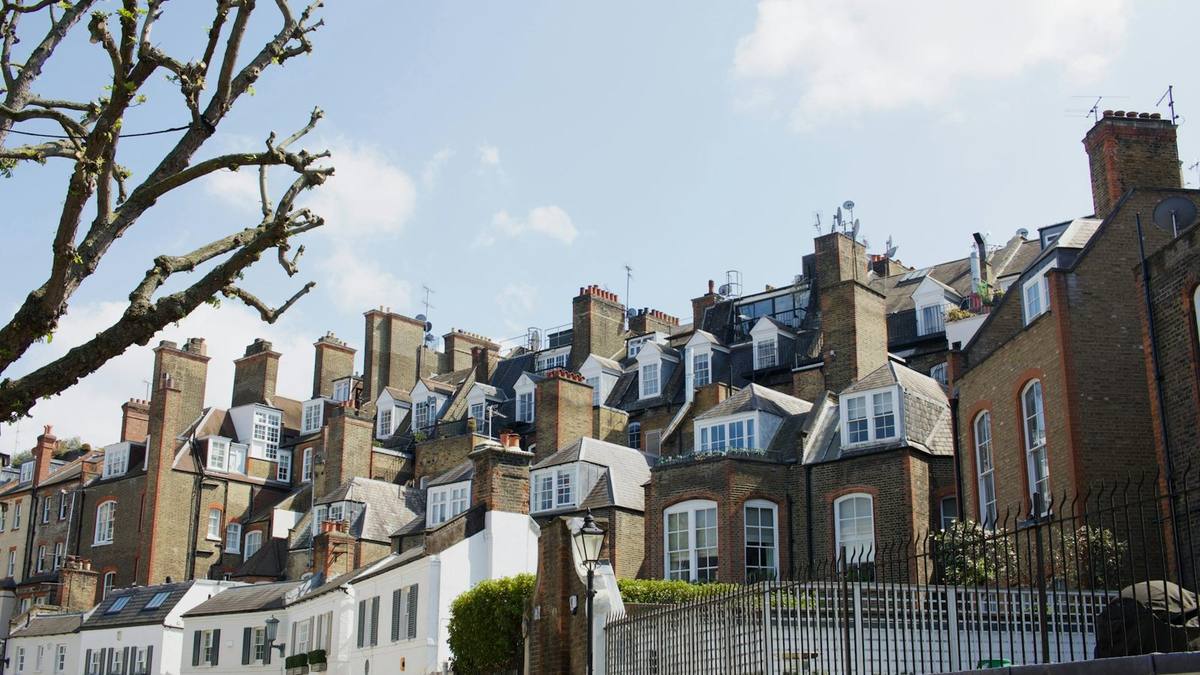
Featured photo by William Dmytrow on Unsplash.
Contributor at The London News