How to Storm-Proof Garden Fencing Ahead of Storm Season
30 October 2026 · 2 min read
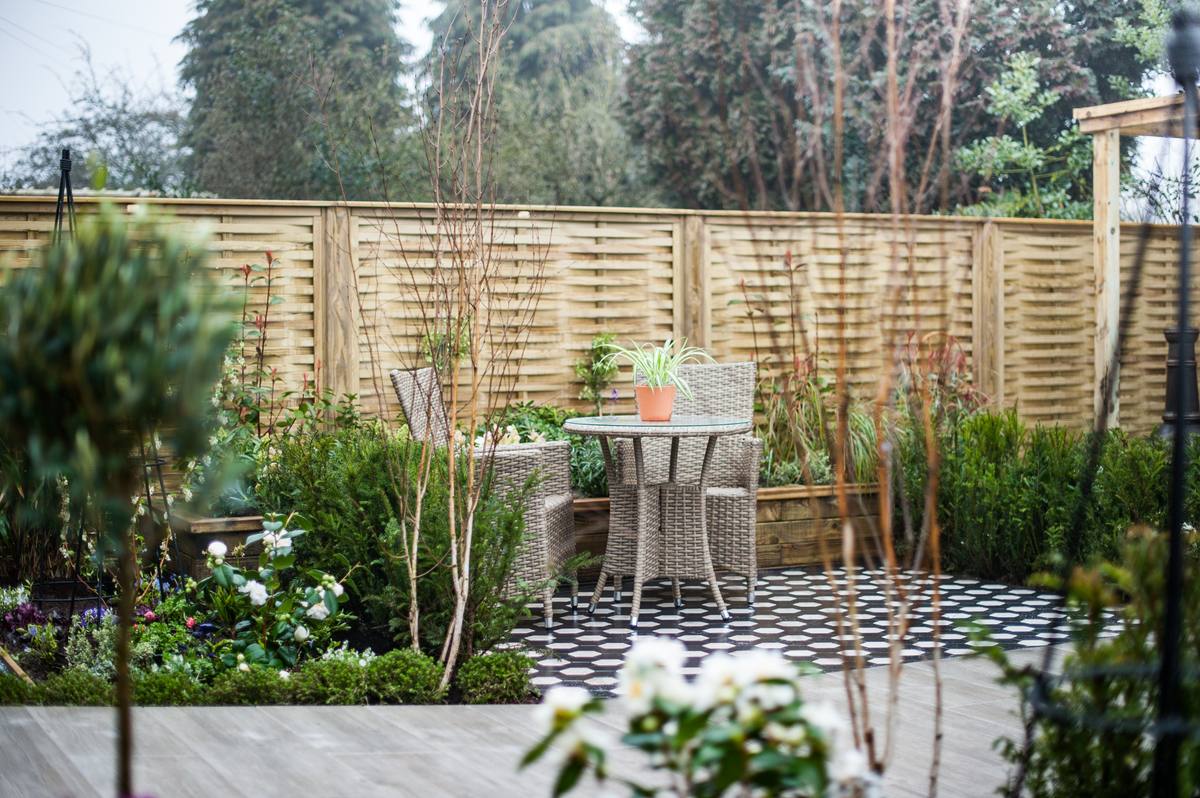
The Met Office announced a yellow weather warning for 70mph winds to hit the UK from Friday 23rd October. The likelihood of similar weather events in coming months is significant, and homeowners need to act fast to protect their properties from potential storm damage.
With the dramatic temperature drop, heavy rain, and coastal gales, gardens and outdoor structures are particularly vulnerable. Fencing, in particular, faces significant risk from flying debris and extreme wind pressure during these sudden weather shifts.
Leigh Barnes from Jacksons Fencing, Britain's longest-established fencing manufacturer, offers some tips for securing your home in preparation for these extreme weather events.
1. Remove Hazardous or Weak Branches
Inspect your garden for loose or overhanging branches, especially those in close proximity to fencing, windows, drainage, or power lines. Removing these potential hazards can prevent costly damage during a storm. Additionally, if your garden tends to accumulate debris, take care to clean the area around the fencing regularly. Untreated timber is vulnerable to rot and insect attacks, so consistent maintenance is crucial.
2. Secure Loose Objects
Strong winds have the potential to turn even hefty objects into projectiles, posing a significant threat to your fence. Safeguard against this by securing or relocating objects that could be lifted by the wind, such as patio and garden furniture and flowerpots. A robust garage or secure shed can provide a suitable shelter for these items during storms. Take soft garden furniture, like cushions, indoors.
3. Consider Gate Security
Gates play a vital role in your property's security during storms. Prioritise gates with diagonal and horizontal braces for added support. Opting for premium pales, which are thicker and sturdier, can fortify the gate, offering extra resilience in challenging weather conditions. Additionally, framed gates provide enhanced strength, ensuring they can withstand heavy wear and tear.
4. Install Fence Posts Deeply
The depth at which you install fence posts is critical in fortifying your fencing against storms. We recommend setting posts a minimum of 600mm (2ft) into the ground, with deeper installation advised for taller fences. In regions prone to extreme weather, consider using longer posts and digging them as far as 900mm into the ground. For further guidance on the significance of post depth and to explore the differences between concrete and wooden fence posts, refer to our comprehensive blog posts.
By implementing these measures, you can significantly reduce the risk of storm damage to your fencing. Regular checks and proactive steps will not only protect your investment but also ensure your home and garden can weather the storm when it arrives.
5. Ensure Easy Water drainage
Both aerating the lawn and using a garden fork to create holes are methods to improve water drainage. Aerating involves creating small holes in the soil to allow air, water, and nutrients to reach the grassroots. A garden fork serves a similar purpose. Both processes break up compacted soil, facilitating better water penetration and root growth. These techniques are vital for preventing waterlogging and promoting healthy plant growth.
With 78 years of experience, offering homeowners practical, actionable advice to safeguard their properties, Jacksons Fencing is Britain's longest established fencing manufacturer.
To find out more about the UK's first LPS 1673 certified timber fencing range and Jacksons’ wider portfolio of premium fencing products click here.
Contributor at The London News