Heathrow expansion: Expert explains how households under flight paths can reduce aircraft noise
Heathrow expansion puts aircraft noise in focus. An expert explains how households under flight paths can make their homes quieter.
30 October 2026 · 3 min read
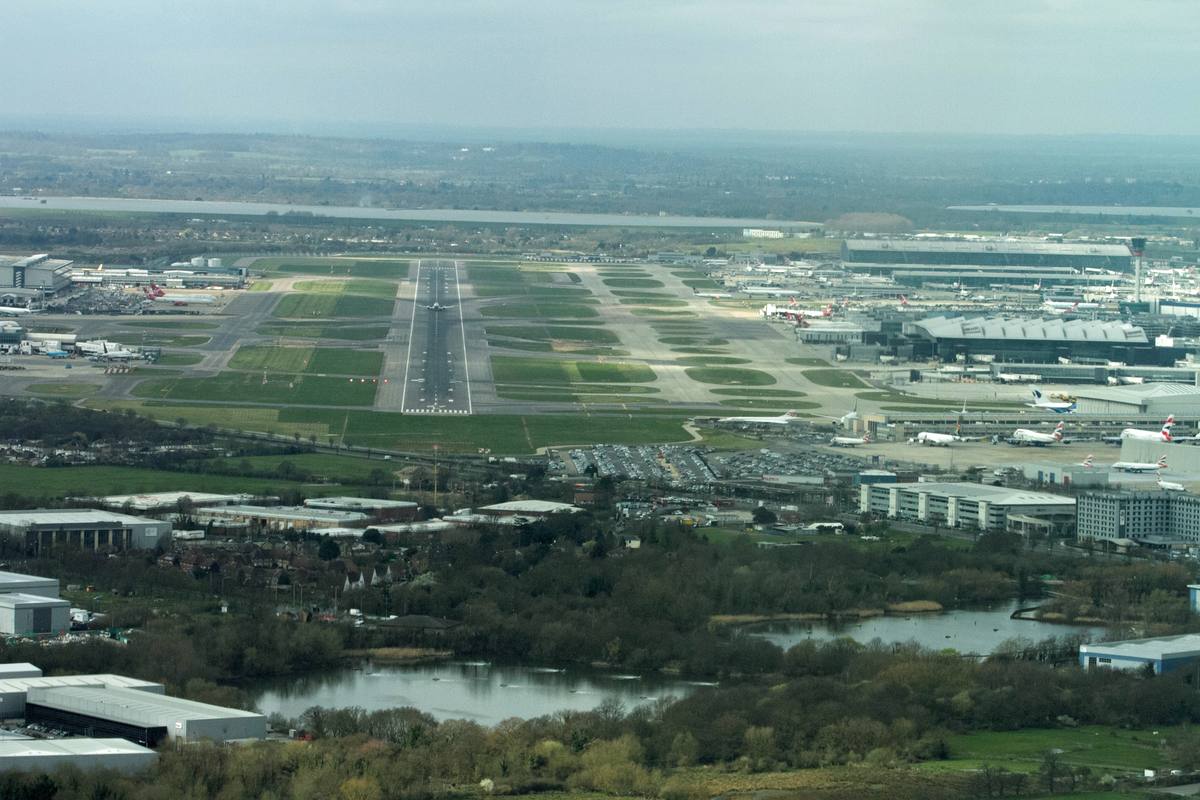
As debate over a third runway intensifies and Heathrow prepares to consult on its expansion plans, an expert explains why adding more panes alone may not create a quieter home.
Households living under or close to Heathrow flight paths are being urged to look at the whole property before deciding how to tackle aircraft noise.
The issue has returned to the national agenda following renewed discussion at the Labour and Conservative party conferences. Heathrow is also due to launch an eight-week public consultation on its expansion plans on 27 October, closing on 22 December.
Antony Heath, of Gloucestershire-based Glevum Windows, said the debate could prompt affected households to review noise inside their homes, but warned that aircraft sound can enter through several routes.
He said: “Aircraft noise changes in intensity and frequency as flights pass overhead, so there is rarely one product that suits every property. Windows may be a weak point, but doors, loft spaces, ventilation and gaps in the wider building fabric can all influence what people hear indoors.”
Three steps for homes affected by aircraft noise
1. Record when and where the noise is strongest
Note which rooms are most affected, whether the disturbance changes when aircraft approach from different directions and whether it is worse at particular times. This can help distinguish sound entering through windows from noise travelling through roofs, vents or other parts of the property.
2. Check the complete building envelope
Inspect worn window and door seals, visible gaps, loft insulation and ventilation routes. Any work must preserve safe and adequate ventilation, while persistent structural vibration or unusually severe disturbance may require separate specialist advice.
3. Do not assume triple glazing is automatically best
The number of panes is only one factor. For aircraft noise, a professional may discuss thicker or asymmetric panes, laminated acoustic layers, wider cavities or secondary glazing. Frames, seals and installation can be just as important as the glass itself.
What glazing features may help with aircraft noise?
“Acoustic glazing” describes a performance-led specification rather than one standard product. A suitable unit might combine laminated glass with panes of different thicknesses to address a broader range of frequencies. In some properties, secondary glazing and its larger air gap may also be considered, particularly where original windows need to remain.
Antony said: “Glazing should be considered as part of the whole building design, rather than an afterthought. Adding a third pane does not automatically deliver the strongest acoustic performance. The glass, gaps, frames, seals and quality of installation all have to work together.”
Look beyond the window
Aircraft noise can be especially difficult to manage because it comes from above and changes as flights move across an area. Loft spaces, roof construction, external doors and ventilation may therefore need to be considered alongside windows.
Antony added: “The right starting point is to understand the route the sound is taking. In some homes, maintenance and sealing gaps may make a difference. In others, the answer may involve insulation, doors or carefully specified glazing. Households should seek advice based on their property rather than buying on a label alone.”
With Heathrow’s consultation set to bring further attention to expansion and the communities around the airport, households concerned about existing or future aircraft noise can begin by recording the rooms, times and conditions in which disturbance is most noticeable.
Contributor at The London News