The Age Gap in Safe Havens
New Quick-Step research reveals 88% of Brits see home as a safe haven, while kitchens, neighbours and household bills remain key sources of stress.
18 September 2026 · 4 min read
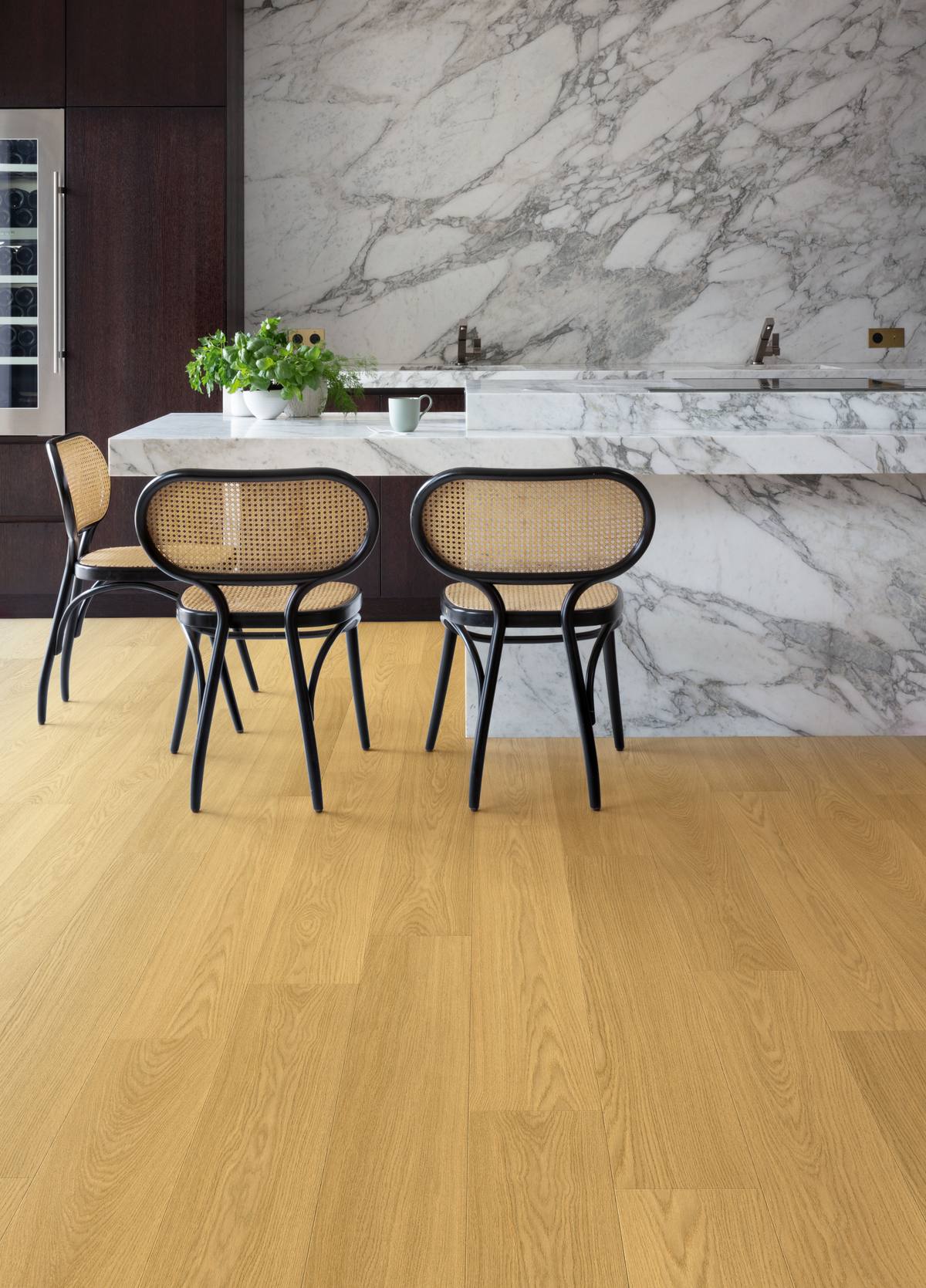
For most UK inhabitants, home is more than just a place to live. It's where they decompress, recover, and feel like themselves again. Yet the reality of everyday life often gets in the way, and the things that disrupt our peace of mind are often closer than we think.
So finds a new survey of more than 7,000 people across seven European countries by internationally recognised flooring brand Quick-Step.
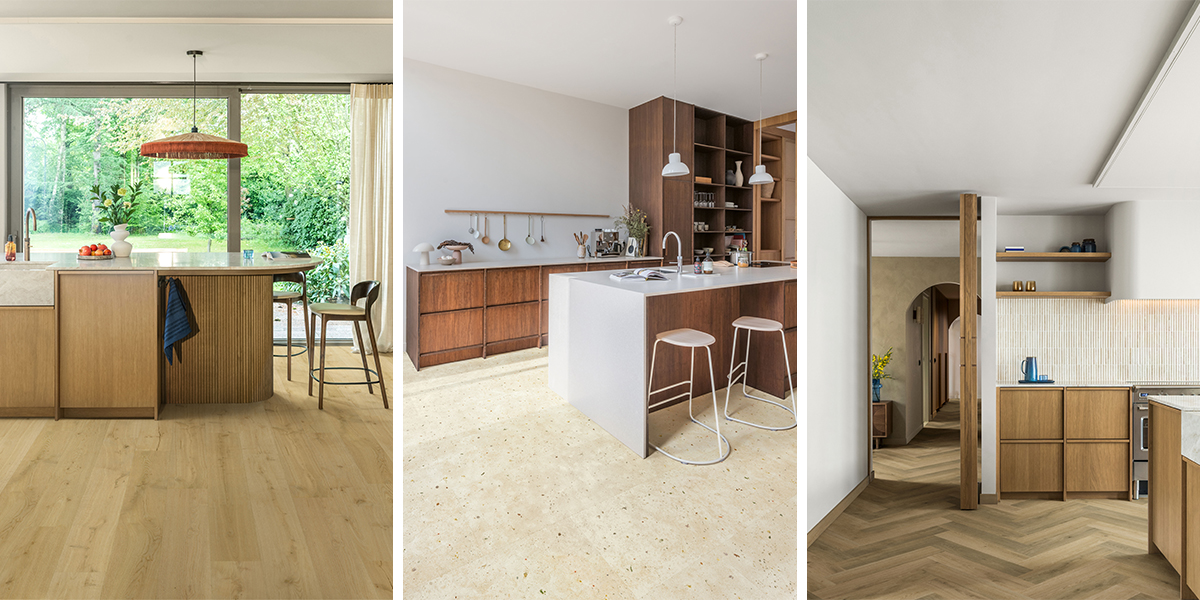
Home as a place to recover, recharge and feel at ease
For almost nine out of ten of those questioned, home is their safe haven. 74% say they always or often experience a true sense of peace of mind when they come home after a normal day. But behind closed doors, move from one room to another, and you’ll find a whole different story!
Kitchen carnage - 32% of those questioned in the UK found the kitchen the most stressful room in the home - higher than in any other European nation
Family fundamentals - Homes with children may feel safe (93%), but they are stress inducers (18%)
Generational divide - Life changes reshape the meaning of home: 59% of 25–34s say their home has become significantly more important in reducing stress, vs 19% of 65+
Room to move - As the years pass, your place of sanctuary moves from bedroom to living room. The bedroom drops from 66% among 25–34s to 25% at 65+, while the living room rises from 27% to 68%
Unneighbourly behaviour - 43% identify problems with neighbours as significant stress elevators, even more than household bills (40%)
Function fanatics - 82% of UK homeowners say a reliable home where everything functions properly is essential to truly relax
80% of UK homeowners say their home helps them recover mentally, and all say coming home relieves their stress. When asked what emotions they want to feel when they come home, 44% point to ‘safety and security’ as the key driver.
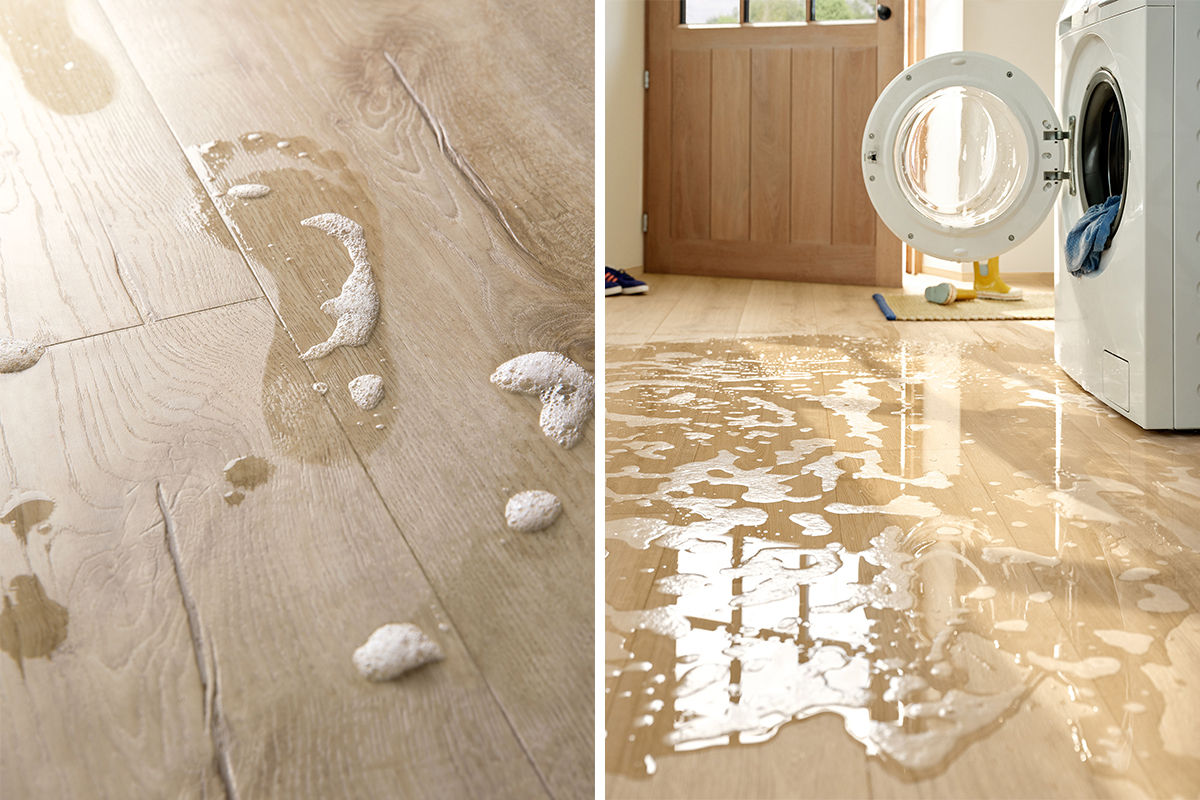
The neighbours next door and household bills: the biggest stress factors for UK households
When UK respondents were asked what makes them feel nervous at home, three things stand out.
45% mentioned unexpected technical problems and repairs, with problems with their neighbours next, scoring 43%. In third place, 40% of the UK say they feel nervous when household bills come in.
The findings reveal that the biggest obstacles to peace of mind are small, recurring sources of friction in everyday life. Over time, they can gradually undermine the comfort, calm and peace of mind that home is meant to provide.
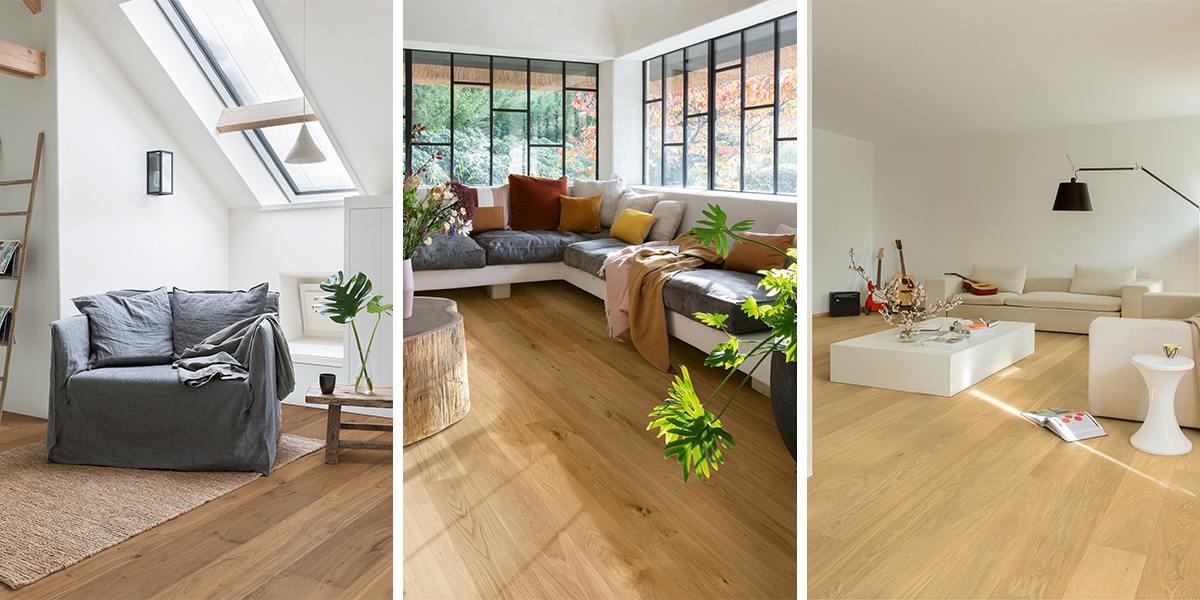
The living room calms us down, the kitchen stresses us out: where the gap between comfort and stress becomes visible
Not every room feels the same. While some rooms are strongly associated with peace of mind, others are more likely to be linked to stress and tension.
When asked which room in their home gives them the most peace of mind, the UK points overwhelmingly to the living room, but that depends on age! For 25-34-year-olds, it’s the bedroom (66%), but as you get older, the place of tranquillity quickly moves to the living room. 68% of over-65s see the living room as their favourite place to relax.
At the other end of the spectrum, the room where peace of mind is hardest to find is the kitchen (32%) followed by the hallway (22%). It’s where the UK stands alone, with the six remaining surveyed markets saying the hallway.
The accessibility gap: not everyone experiences peace of mind at home in the same way
While 88% associate home with comfort, calm, and peace of mind, that experience isn't equally accessible to everyone. The research shows clear differences depending on age, household situation and housing conditions, revealing that some groups find it harder to experience home as a consistent source of peace of mind. But one thing is clear: the older people get, the more likely they are to experience peace of mind at home.
Housing conditions also matter. Respondents living in newly built or recently renovated homes generally report higher levels of peace of mind than those living in homes that have not been renovated. The research also reveals that families with children are generally less likely to experience peace of mind consistently than households without children.

" At Quick-Step, we want to support people throughout those different life stages. While needs and priorities change over time, the floor often remains a constant in the home. Our ambition is to create flooring solutions for every household, no matter how life evolves,” says Anastasiia Kudashova, Lead Design Manager at Quick-Step.
The survey was conducted online in 7 countries (Belgium, Netherlands, France, UK, Italy, Spain and Poland) with 7.336 respondents. Each sample per country is representative for that country. The data were weighted according to census data by gender, age and education for respondents between 25 and 64 years old.
Contributor at The London News