How to Raise Empathic Children: A 14-Year-Old’s Simple 'Just Say Hello' Rule
A simple hello could be one of the easiest ways parents can help their children become more empathetic.
19 October 2026 · 2 min read
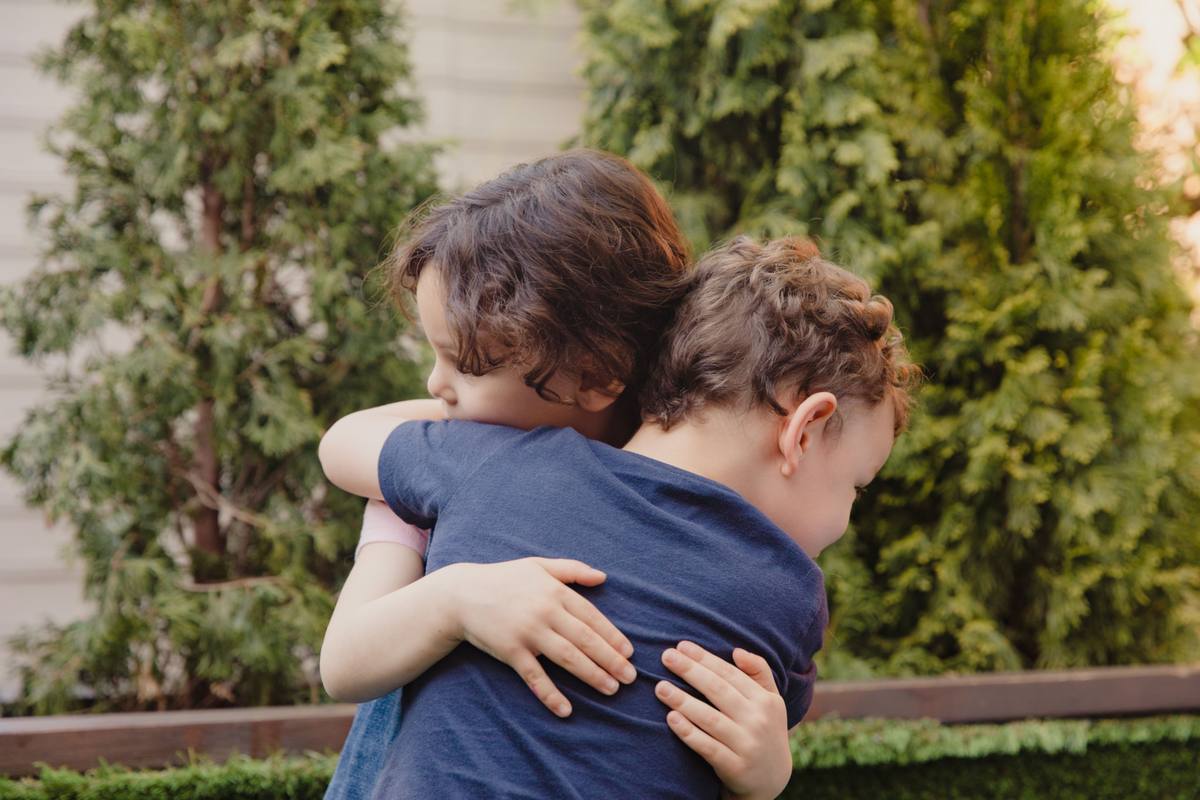
A simple hello could be one of the easiest ways parents can help their children become more empathetic.
That is the message from 14-year-old Maya and her father, Usman Dar, from humanitarian charity Humanity Care Relief, who are urging families to notice the people around them rather than simply walking past.
Maya believes empathy does not always have to involve grand gestures, donations or trying to solve somebody's problems.
Sometimes it can begin by simply acknowledging them.
She said: "Be aware of your surroundings. So when you're going to simple places like shopping, if you go shopping, you'll see people sitting outside wanting money, and you be aware of your surroundings and you just think, 'What are people going through?'"
And her advice if you cannot offer practical help is even simpler.
She added: "Even if you can't help them, say hello to them at least. Give them attention."
Rebuilding Human Connection Through Everyday Gestures
Usman believes those small interactions can be particularly powerful when children see their parents doing them too.
He recalled recently noticing an elderly woman struggling with a trolley outside B&Q. Despite carrying a paint bucket and having pain in his hand, he passed the bucket to his wife and went over to help.
Usman said: "These are the small things. When children see, or you discuss with the children, you tell them the example, these things will go a long way.
"I think these days the biggest problem is that we don't speak to each other, whether it's parents and children or children to parents or a grandparent. I think we're speaking far less words than what we are typing."
Rather than treating kindness as something reserved for charity appeals or major events, he believes parents can make empathy part of normal family life. That could mean encouraging children to greet somebody who appears lonely, helping someone struggling with their shopping, checking on a neighbour or simply asking youngsters to pay attention to the people around them.
Usman said children can also learn by watching how the adults in their lives behave.
He added: "We saw from our parents how they sympathised, how they were showing empathy to the people who were less fortunate than us, and then it just transferred onto us. Now we are discussing with our children, and we're showing them by example as well."
For Maya, the lesson does not have to be complicated: notice people, think about what they might be going through, and even when there is nothing practical you can do to change their situation, do not make them feel invisible. Sometimes, she believes, simply saying hello is enough to start.
Contributor at The London News