Why Small Home Repairs Could Cost Londoners £5,000 as Energy Bills Rise
Homeowners are warned that delaying small repairs could turn a £500 fix into a £5,000 damp problem this winter.
13 October 2026 · 3 min read
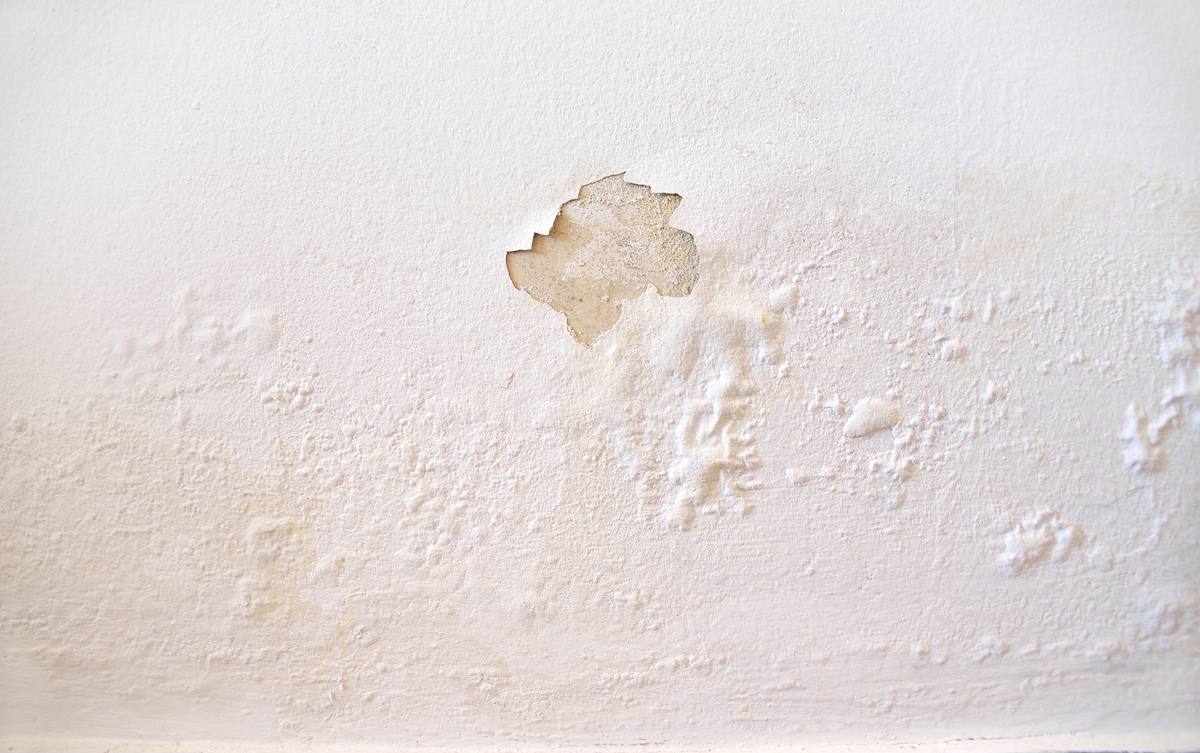
Homeowners in London are being warned that putting off small exterior home repairs could leave them facing bills running into thousands of pounds, as energy costs rise again and building repair materials become more expensive.
Rising Energy Caps and Material Costs Create Winter Pressure
Ofgem’s energy price cap has risen by 4%, taking the typical annual bill for a direct debit household using gas and electricity from £1,663 to £1,723 if that level is sustained for a year. The increase is largely being driven by gas, with Ofgem stating that gas bills will rise by around 8% under the new cap.
At the same time, BCIS construction materials data shows the material price index for all construction work increased by 5.9% in the year to July 2026, while materials used for repair and maintenance rose by 5.5%.
Experts say the combination could create a winter “double hit” for homeowners, with households paying more to heat their homes while also facing higher costs if essential maintenance is delayed.
Published UK cost guides suggest damp-proofing and wider damp repair work can run into the thousands, with more extensive treatments such as retrofitting a new damp-proof course costing between £2,500 and £7,500.
Michael Davie, construction and home improvement expert at PureBuilt, said one of the most common examples is damaged render being left too long. A small repair that may initially cost around £500 can allow water to get into the property, potentially leading to damp issues that become far more expensive to resolve.
Michael said: “One of the biggest issues homeowners underestimate is damp caused by small external defects. A cracked or damaged section of render might not look serious at first, but if water is able to get behind it, the problem can spread quickly.
“We regularly see cases where what could have been a relatively straightforward repair becomes a much bigger job because the source of the moisture has been left untreated. A repair of around £500 can turn into thousands of pounds once damp has affected plaster, internal finishes or larger areas of the property.
“That is especially important now because households are already facing higher running costs. Energy bills are rising again, and the cost of materials used in repair and maintenance work has also increased. Waiting does not usually make the problem cheaper. In many cases, it gives the issue more time to spread.”
PureBuilt says homeowners should pay particular attention to exterior defects before winter weather sets in, as rain, frost and colder temperatures can make existing problems worse.
Six Home Issues Not to Ignore Before Winter
Cracked or damaged render: Small cracks can allow water to get behind the surface, increasing the risk of penetrating damp.
Damp patches on internal walls: Staining, tide marks or peeling paint can be signs that moisture is already entering the home.
Blocked or leaking gutters: Overflowing water can run down external walls and worsen damp problems over time.
Loose roof tiles or damaged flashing: Small roof defects can quickly turn into leaks during heavy rain.
Persistent mould: Mould that returns after cleaning may point to a deeper damp or ventilation issue.
Poor insulation or cold spots: Heat loss can push up energy use, particularly as gas costs rise.
Michael added: “Before winter, homeowners should walk around the outside of their property and look for obvious weak spots, including cracked render, blocked gutters, staining on walls, loose flashing or places where rainwater is collecting.
“Those early signs are easy to dismiss, especially when household budgets are already stretched, but the cheapest fix is usually the one made before water has had months to work its way into the property. If there is visible damp indoors, the priority should be finding and stopping the source outside, rather than repeatedly treating the symptoms inside.”
Contributor at The London News