Experts warn the cushions you left on the patio can be a rat's nest by December
Rats move closer to homes in autumn and a covered garden sofa set with the cushions left in gives them a dry, dark nest. Garden furniture specialists Chic Teak share five checks to do now.
26 November 2026 · 3 min read
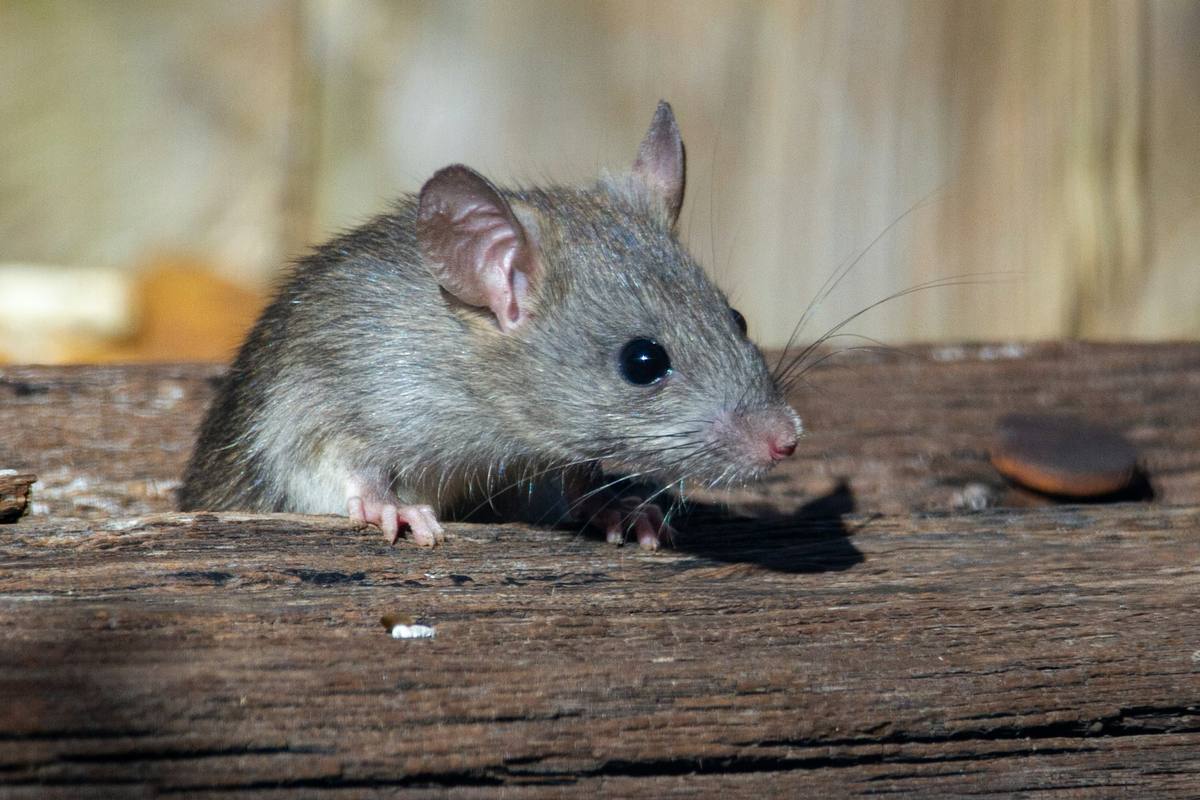
Garden furniture stacked in a corner and covered for the winter is giving rats exactly what they are looking for in November, according to garden furniture specialists Chic Teak, which warns households to bring cushions indoors and check under covers before the first frosts.
The British Pest Control Association says that as temperatures fall and food becomes scarce, rats look for shelter and scraps closer to homes, and are seen more often in daylight in autumn and winter because they are bolder in searching for food and warmth. In gardens, the Association says, rats burrow into grassy banks and under sheds, and will use compost heaps as nesting sites. A rat needs a gap of just 15mm to get into a structure. For perspective, a five pence piece is around 18mm.
A covered garden sofa set fulfils every need: it’s dry, it’s dark, it’s left alone for five months, and the cushions are made of exactly the sort of soft material a rat shreds for bedding.
By the time the cover comes off in spring, one pair can have become a colony. Guidance says a female rat can reproduce every six weeks with litters of six to eight, and that a single pair could in theory produce as many as 200 babies in a year.
Robert Bowden, chairman of Chic Teak, garden furniture specialists for almost 30 years, said,
“Every spring, homeowners lift the cover off a garden set and find the cushions shredded or the furniture chewed through. It’s not the furniture rats want, it’s the warm, dry, undisturbed space under the cover.
“A stack of cushions under a tarp in the corner is the best-insulated spot in the garden. The fix is cheap and it’s the same every year: cushions come indoors in November, the cover stays off the ground, and you lift it once a fortnight so nothing gets comfortable.”
Five things to check now, according to Robert
Bring indoors, don’t store them in the storage box. A plastic cushion box outside is a rat-proof-looking box that’s not at all rat-proof. Fabric and foam should go in the house, the garage or a sealed shed.
Lift the furniture off the ground. A set standing on grass or soil gives a rat a sheltered run underneath. Hard standing, paving or decking boards with no gap beneath them give it nothing to burrow into, and limits the viability of the furniture as a nest.
Leave the cover loose at the bottom. A cover pulled tight to the ground traps dampness and makes a sealed room. Leave it vented and lift it every couple of weeks if you can. The benefit of these checks is that droppings, shredded fabric and gnaw marks will be easily spotted.
Clear what’s next to it. Rats prefer to move along cover. A furniture stack beside a compost heap, a log pile or an overgrown border is on a route. To be extra safe, cut back, cover the compost with wire mesh, and move the wood.
Stop feeding them. Bird seed on the ground, bins without lids and fallen fruit are the food that brings rats to the garden in the first place. If you feed birds, use a feeder tray, keep lids closed and take bird feed in at night.
Households that find droppings or a nest when they lift the cover are advised not to handle the material with bare hands, to wear gloves and a mask when clearing it, and to call a pest control professional if there’s any sign the animals are still there.
About Chic Teak
Chic Teak is an independent, family-run garden furniture specialists based in Basingstoke, Hampshire. It has made teak garden furniture for almost 30 years, using heartwood teak from plantations certified by the Indonesian Government, with every piece finished by hand and covered by a 10-year guarantee.
Contributor at The London News