5 Tips for Study & Home Offices
Discover 5 inspiring home office ideas, from cosy carpets and statement rugs to wood flooring and minimalist designs for a stylish, productive workspace.
30 October 2026 · 3 min read
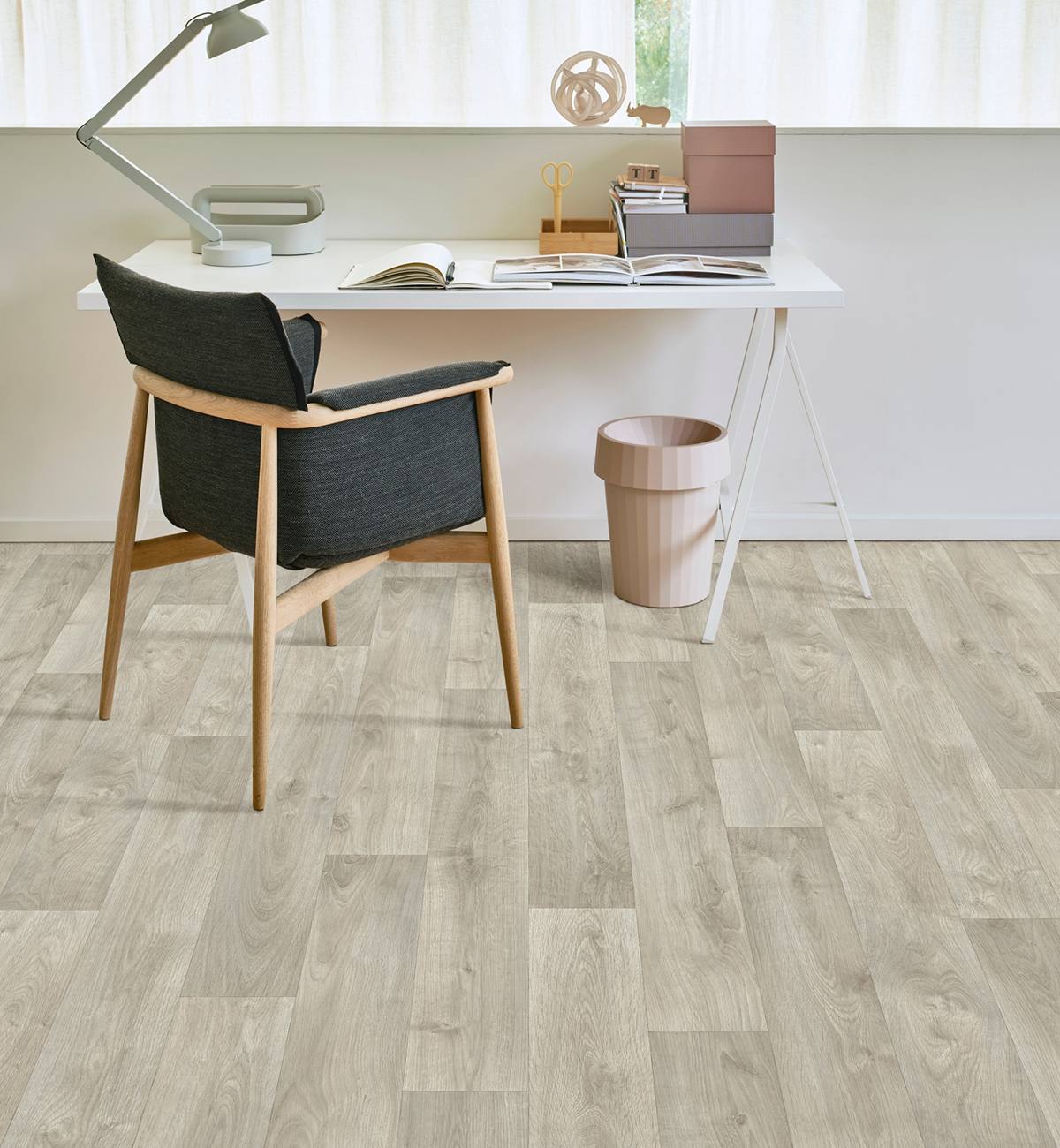
The home office has come a long way from a laptop balanced at the end of the dining table. Whether it’s a dedicated study, a corner carved out for homework or a desk cleverly squeezed into a spare room, today’s workspaces need to be practical without feeling remotely corporate.
Flooring can do much of the design work, setting the mood and helping create a space that feels as good to spend time in as the rest of the home.
Create a space that sparks creativity
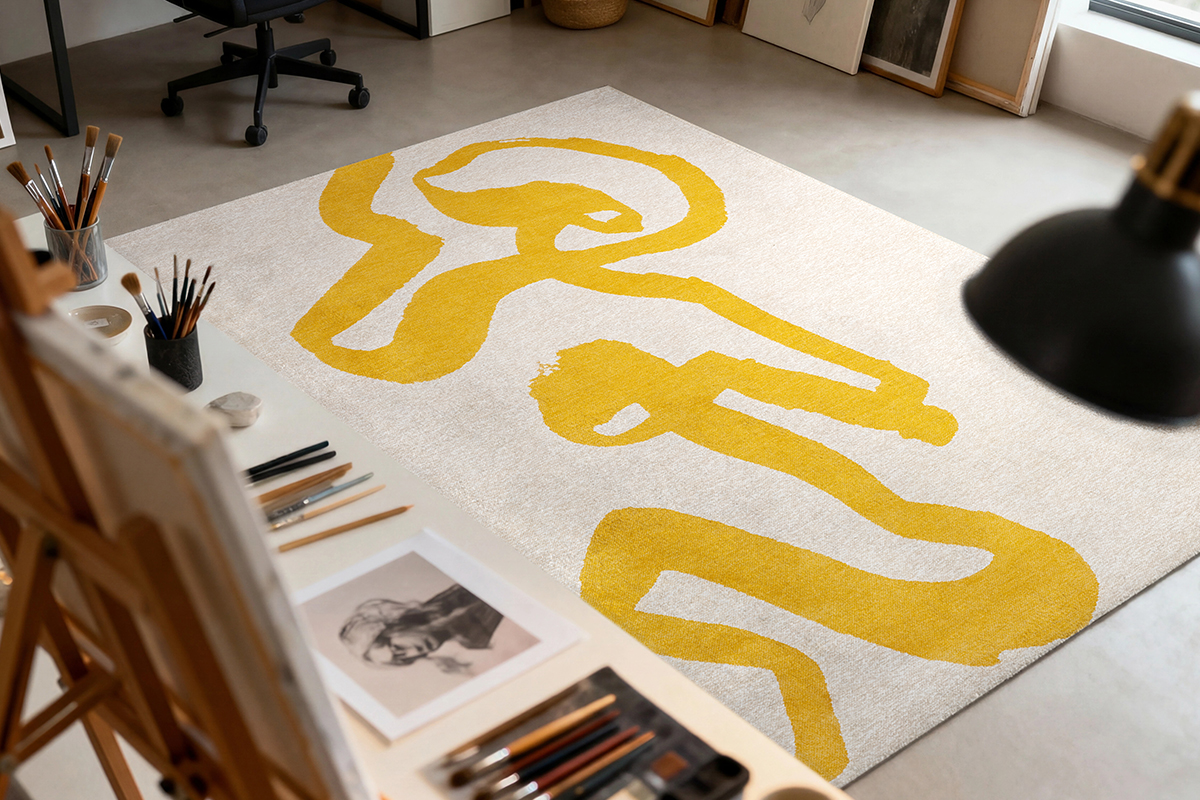
Studios, craft rooms and creative corners can take a little more colour and personality, with a statement rug providing an easy way to energise the space without overwhelming it.
Abstract shapes and eye-catching shades can turn the floor into a piece of artwork, particularly against simple flooring and neutral walls.
It also helps visually define a working zone within a larger room, useful when the ‘office’ doesn’t come with four walls of its own.
Clear the visual clutter
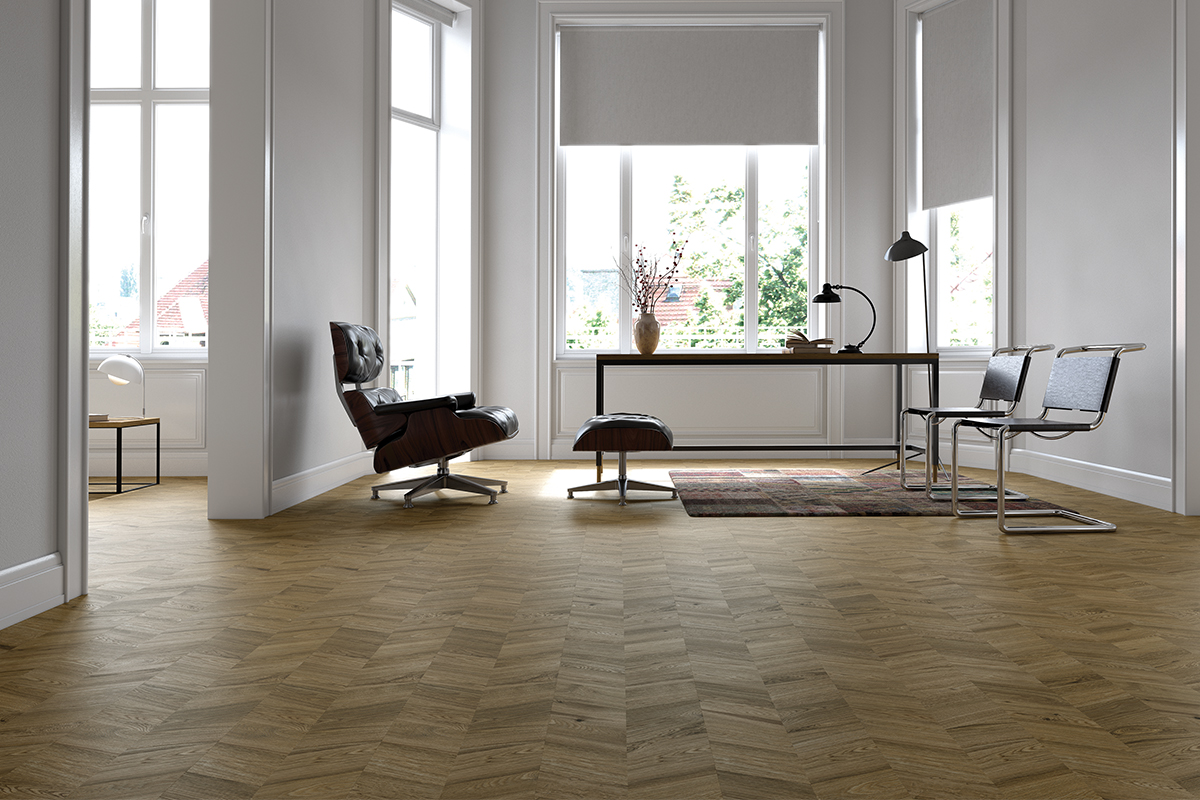
There’s a reason minimalist studies remain so appealing: when the surroundings feel calm, concentrating can feel that little bit easier. Pale walls, simple furniture and plenty of natural light create an uncluttered foundation, while warm-toned flooring prevents the scheme from becoming clinical.
Look to subtle parquet and chevron arrangements to introduce movement without adding visual noise.
Make student spaces work harder
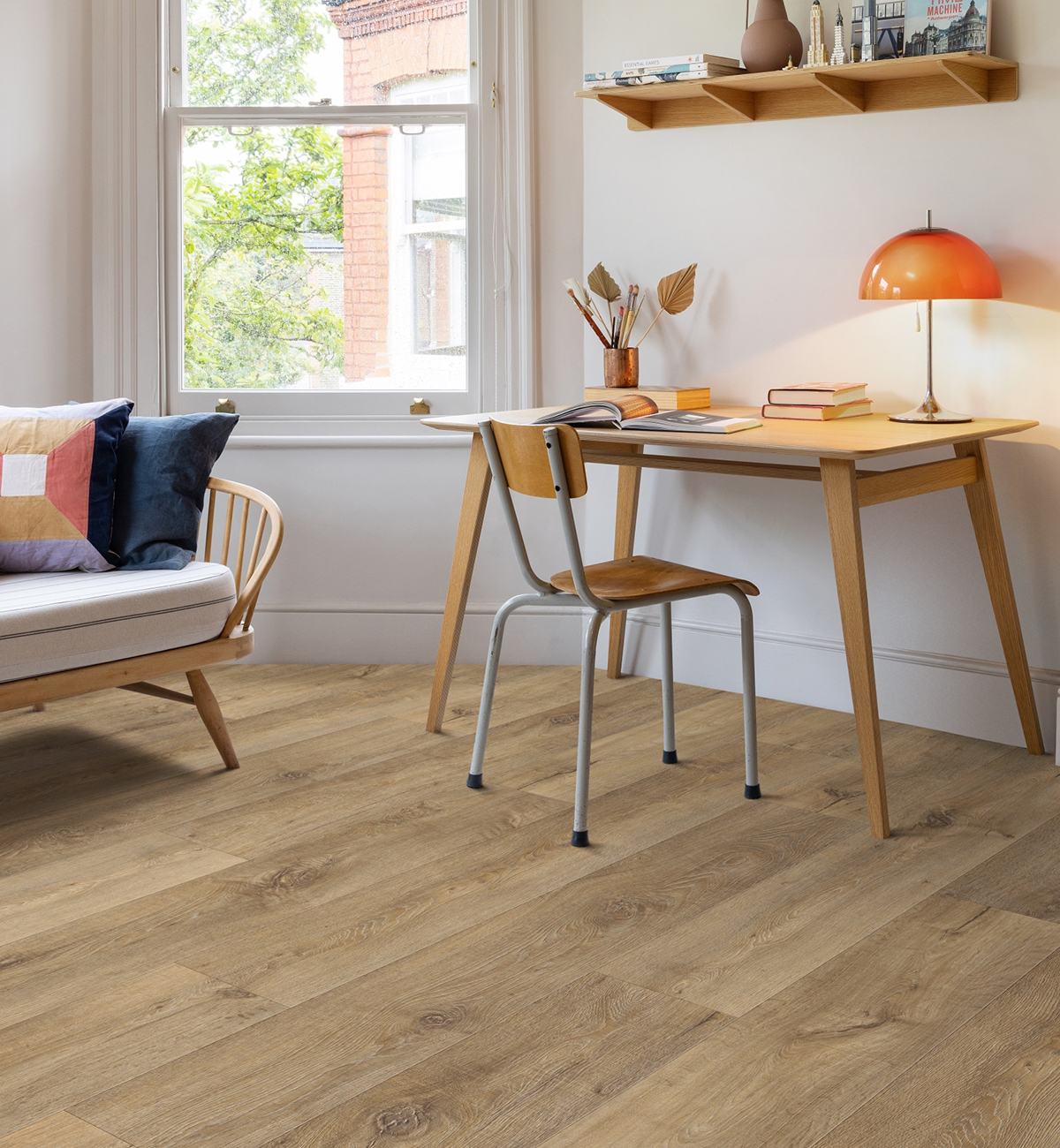
Student-age bedrooms and study areas often have several jobs to perform within limited square footage, making a simple, cohesive scheme particularly effective.
Warm wood-effect planks provide a versatile foundation, bringing character to the room while sitting comfortably alongside desks, shelving and more colourful accessories.
Keeping the floor consistent can also make a smaller space feel calmer and more generous. Add compact furniture, good task lighting and somewhere comfortable to read and even an overlooked corner can become a convincing study zone.
Bring comfort to the working day with carpet
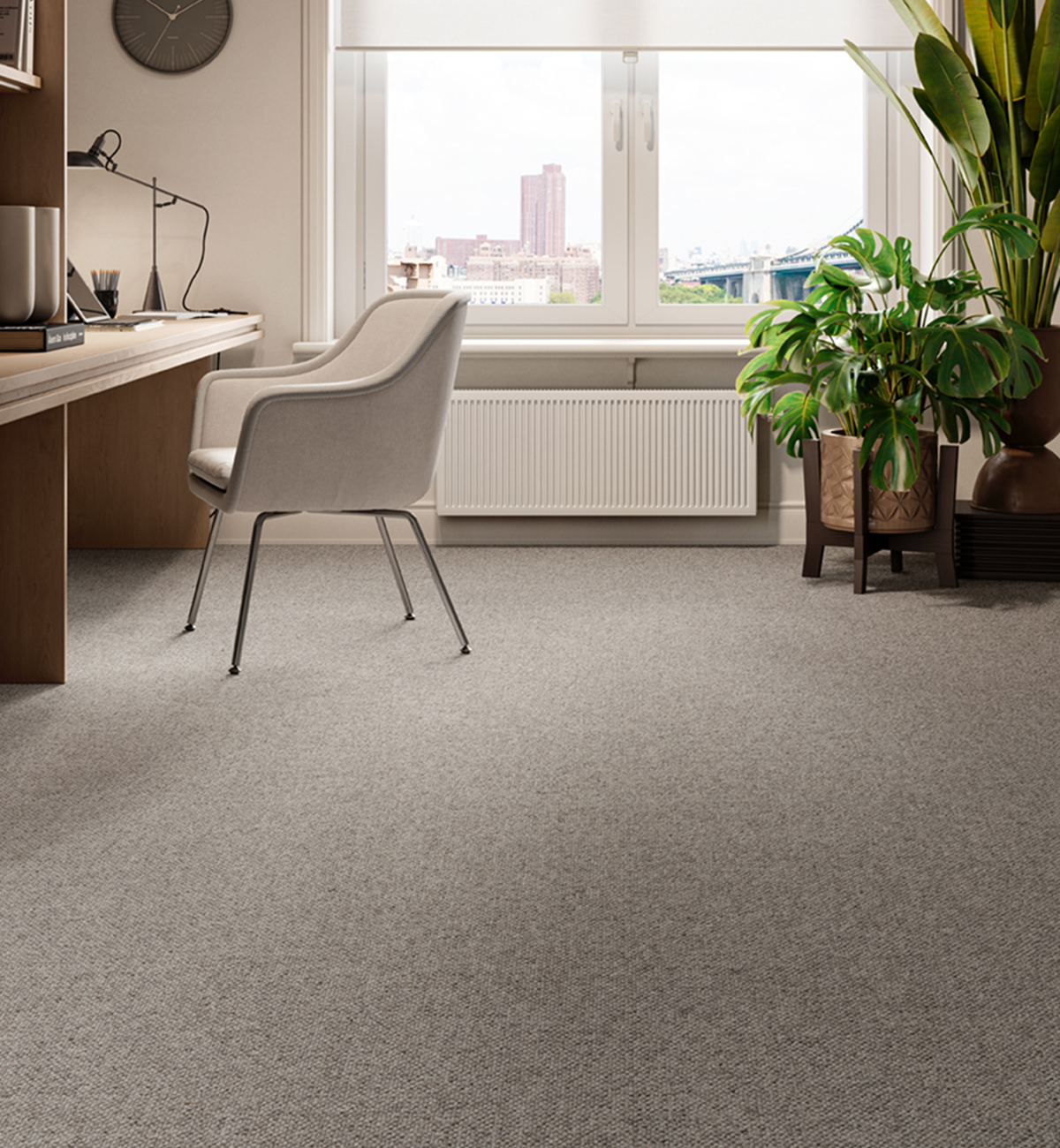
One advantage of working from home deserves to be thoroughly exploited: comfort. A softly textured carpet instantly takes the hard edges off a study, bringing warmth underfoot and helping the room feel connected to the more relaxed character of the rest of the home.
Light, natural neutrals work particularly well, creating a soothing backdrop for timber furniture, tactile curtains and greenery. The result feels settled and cocooning rather than overtly office-like.
Reconnect with the outdoors
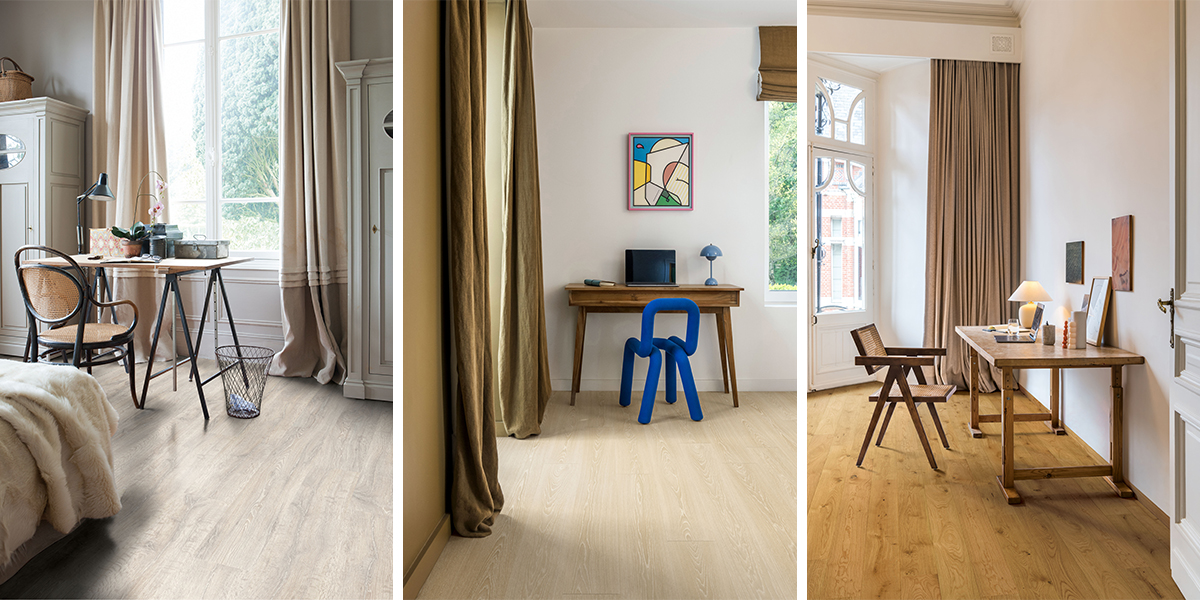
With so much of the working day spent looking at screens, natural references offer a welcome counterpoint. Wood and wood-effect flooring introduce grain, warmth and tonal variation, creating an easy connection with the outdoors while providing a timeless foundation for a home study.
Pair warm oak tones with natural light, timber furniture, linen and a few leafy plants for a space that feels relaxed and grounded. It’s less about turning the spare room into a forest and more about borrowing some of nature’s calming qualities.
Contributor at The London News