5 Tips for Choosing the Perfect Dining Room Rug
Discover 5 expert tips for choosing the perfect dining room rug, from finding the right size to adding colour, pattern and texture with Louis De Poortere.
30 October 2026 · 2 min read
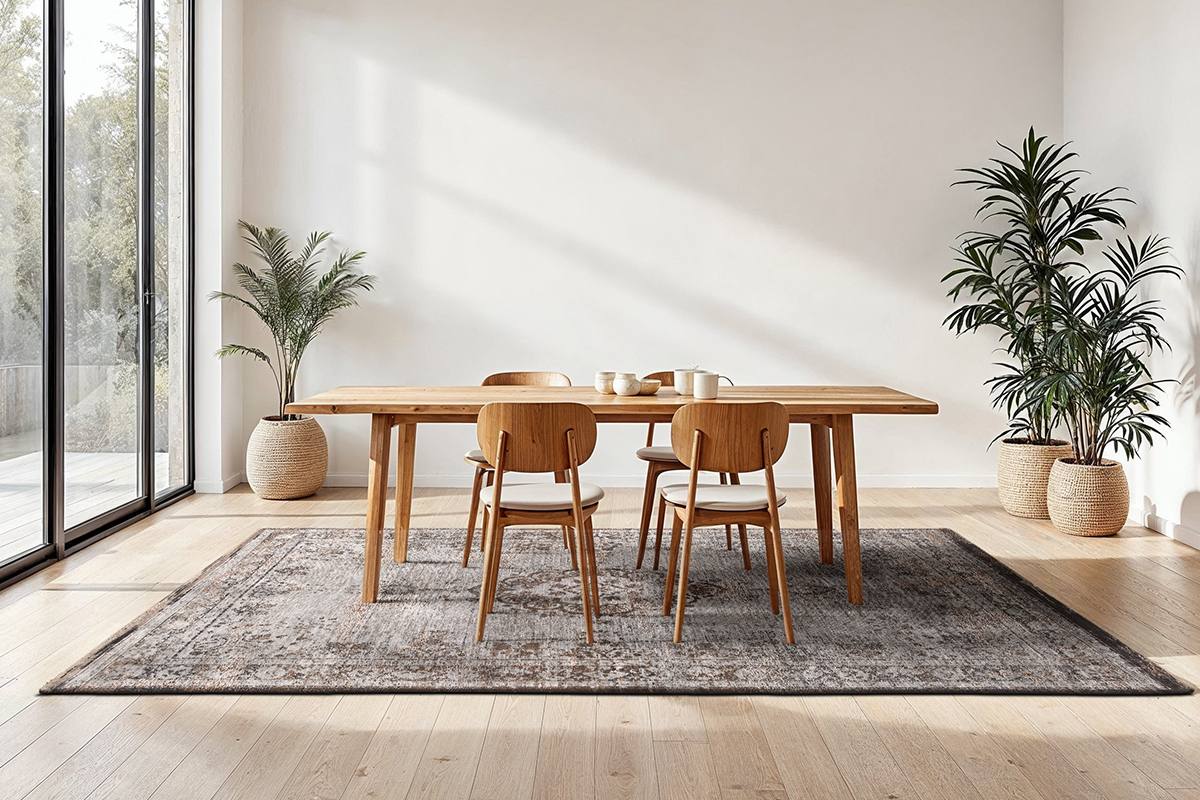
A dining room rug does far more than provide something soft underfoot. It can anchor the table, define a dining zone in an open-plan room, and introduce colour, pattern, and texture without demanding a complete decorating rethink.
1 Go bigger than the table
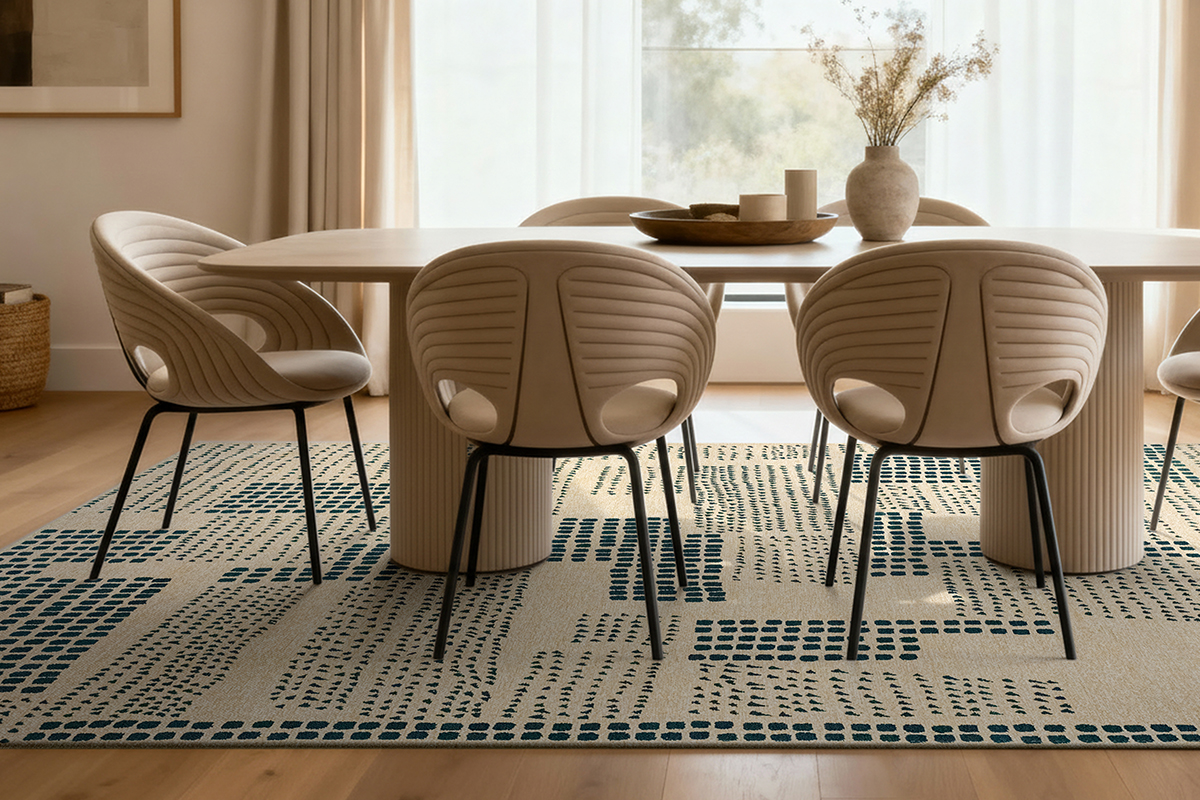
Size matters for dining room rugs. Ideally, a rug should extend comfortably beyond the table so dining chairs remain on its surface when pulled out. Too small, and the arrangement can feel cramped. Generously proportioned and the whole dining area suddenly feels more welcoming.
2 Use a rug to define the dining zone
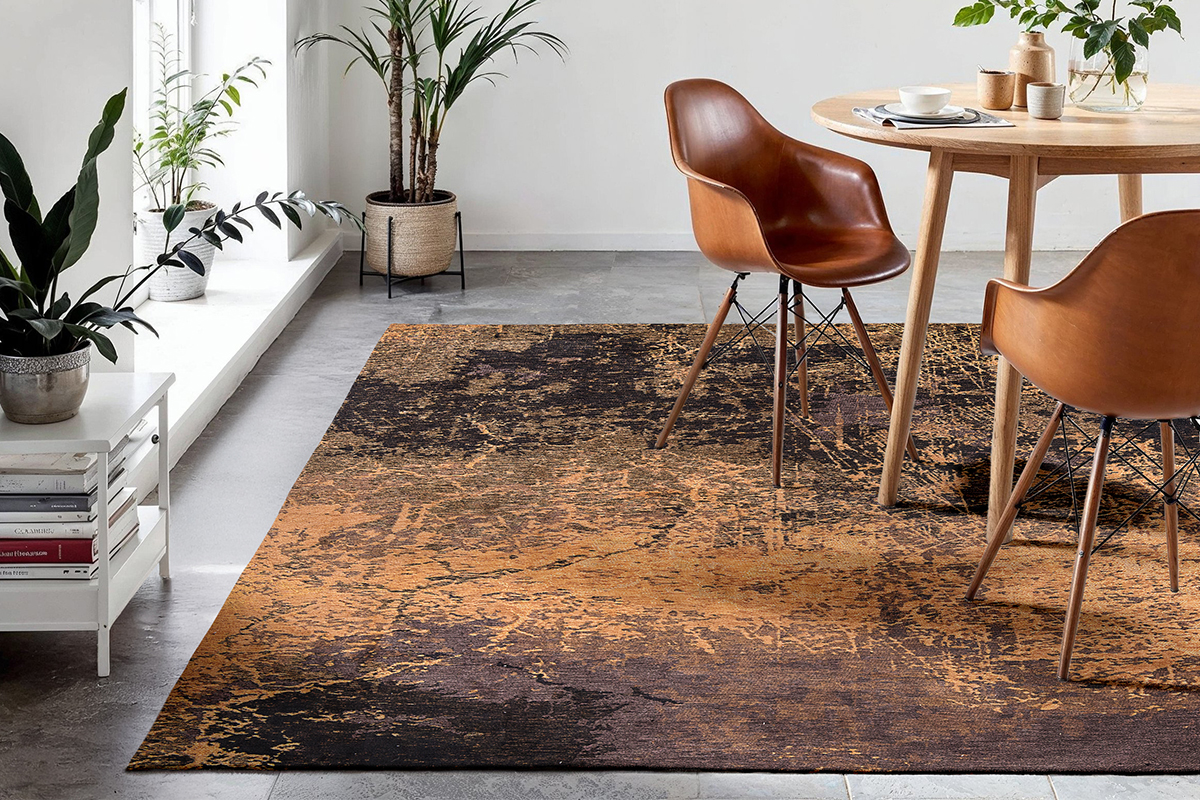
In an open-plan kitchen or living space, a rug can create a clear visual boundary around the dining table without adding walls or dividers. It gives the furniture its own ‘island’, helping a multifunctional room feel organised while maintaining an easy sense of flow.
3 Introduce pattern and embrace practicality
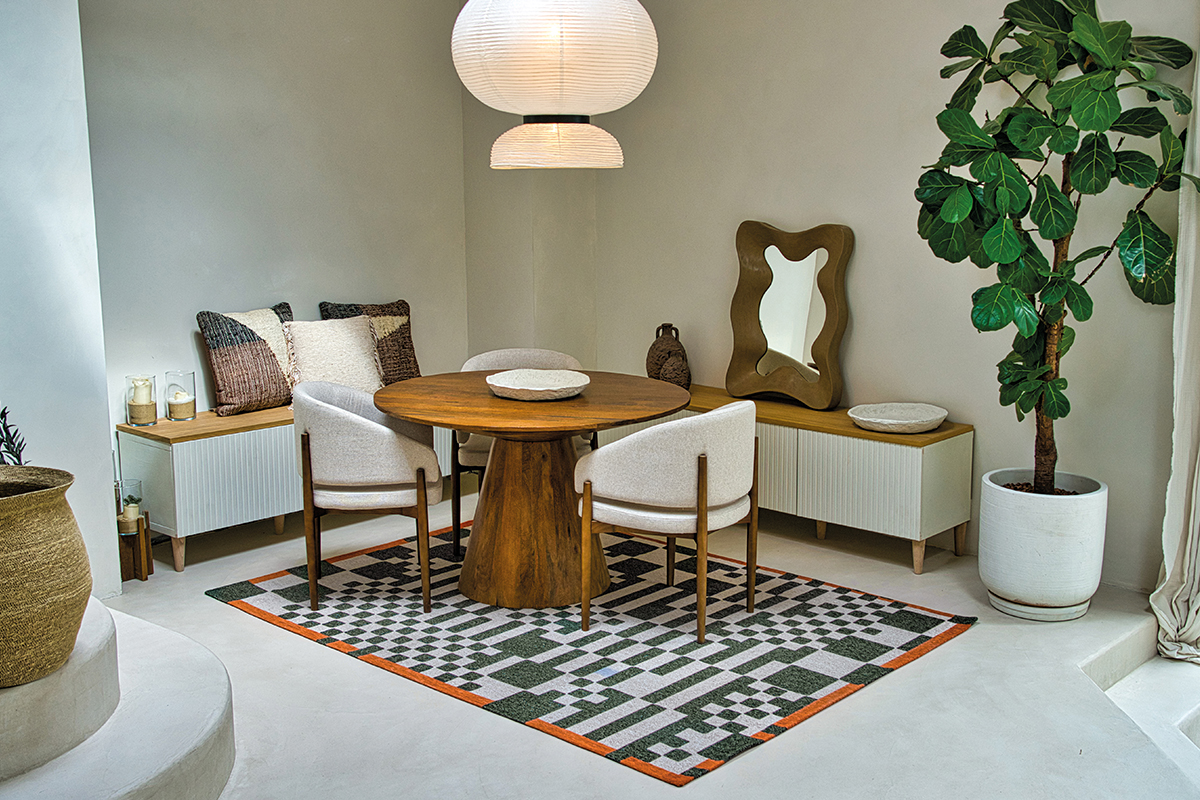
Dining rooms are a natural place to experiment with pattern. Geometrics, distressed motifs and richly detailed designs add personality while also being rather forgiving of everyday marks.
4 Warm up hard flooring
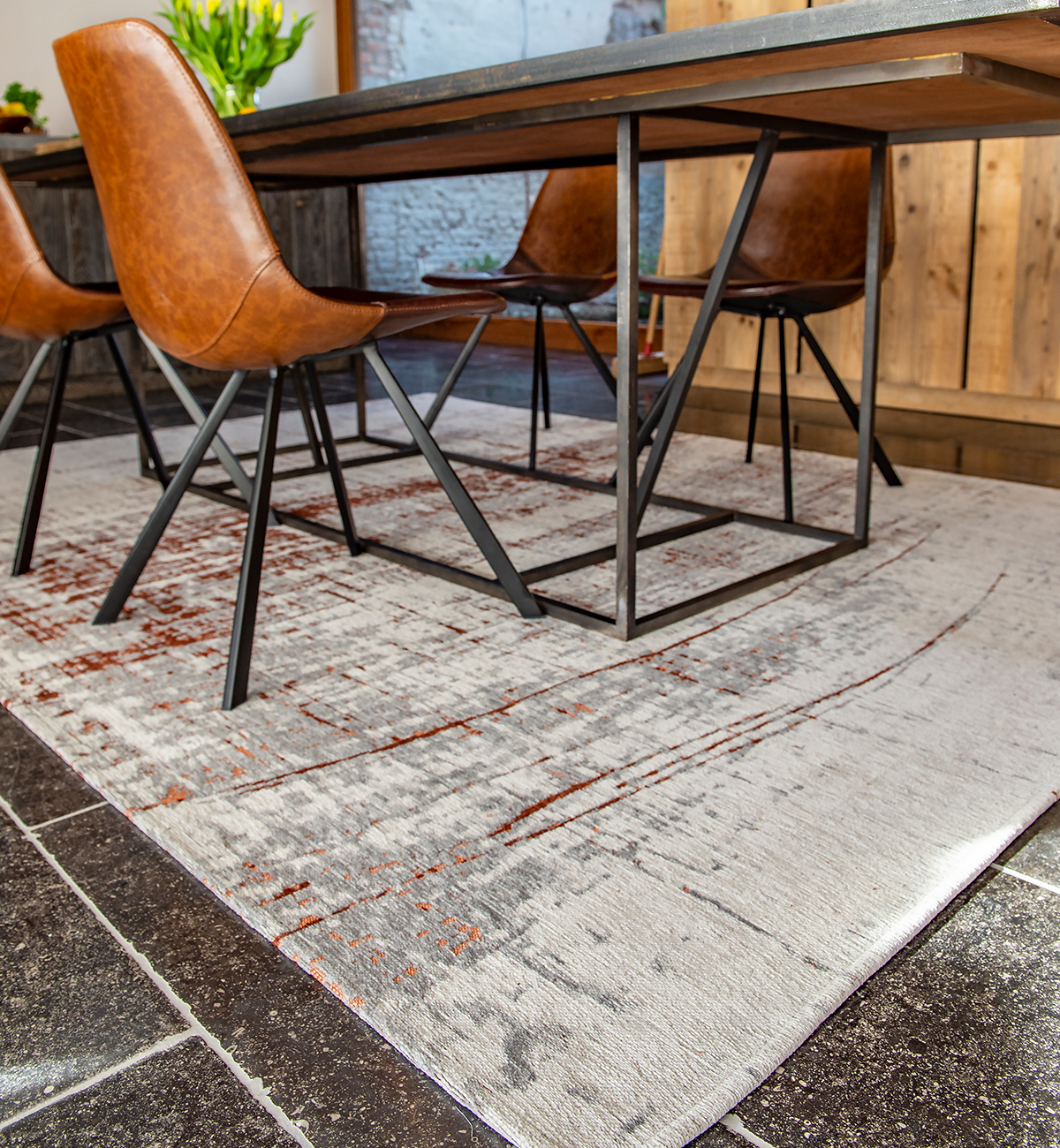
Wood, laminate, vinyl and stone-effect floors are practical choices for dining areas, but adding a rug can soften their harder surfaces. Texture underfoot brings warmth and comfort, while creating an appealing contrast against smooth flooring.
5 Take your colour cues from the room
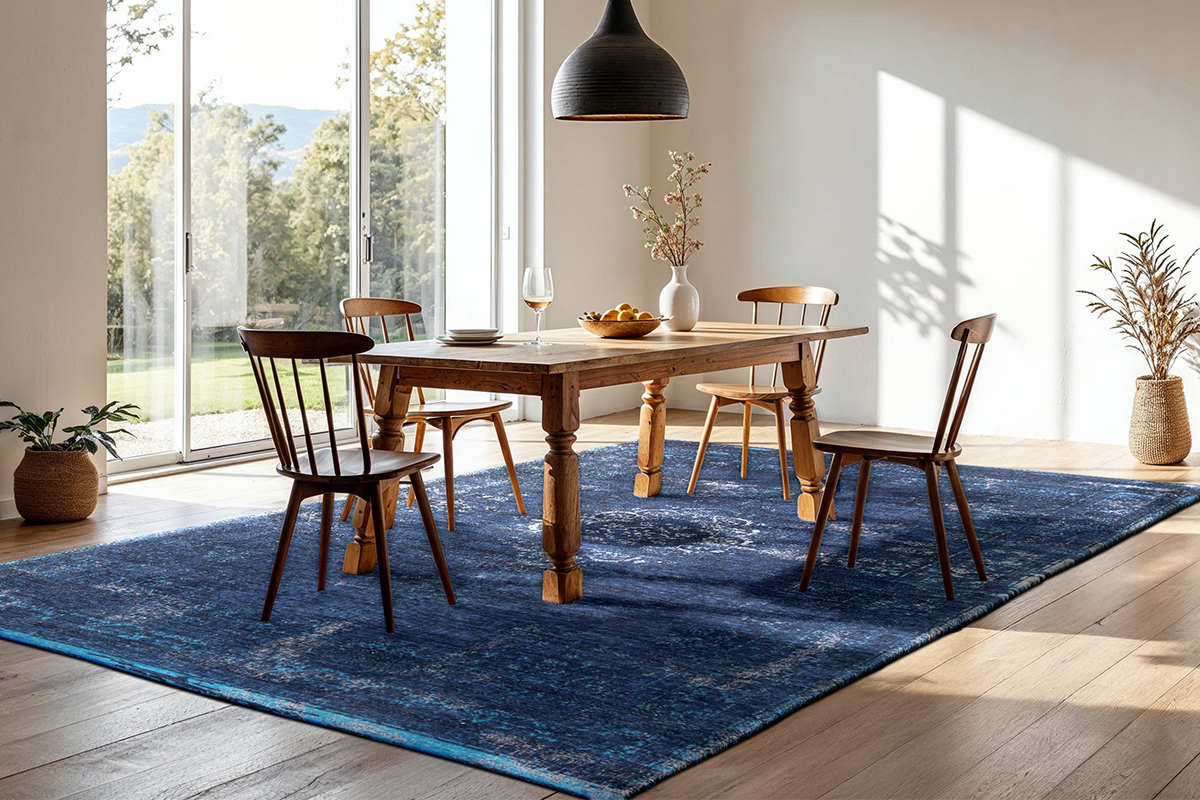
A dining rug doesn’t need to match everything around it. Instead, pick up one or two colours already present in artwork, upholstery or accessories to create a subtle connection. Alternatively, in a predominantly neutral room, let the rug provide the statement with a stronger colour or expressive pattern.
Contributor at The London News