2027 Interior Design Trends from Rotpunkt
Rotpunkt explores the top interior design trends for 2027, from sensory warmth and modular unity to organic curves and sustainable living spaces.
12 October 2026 · 3 min read
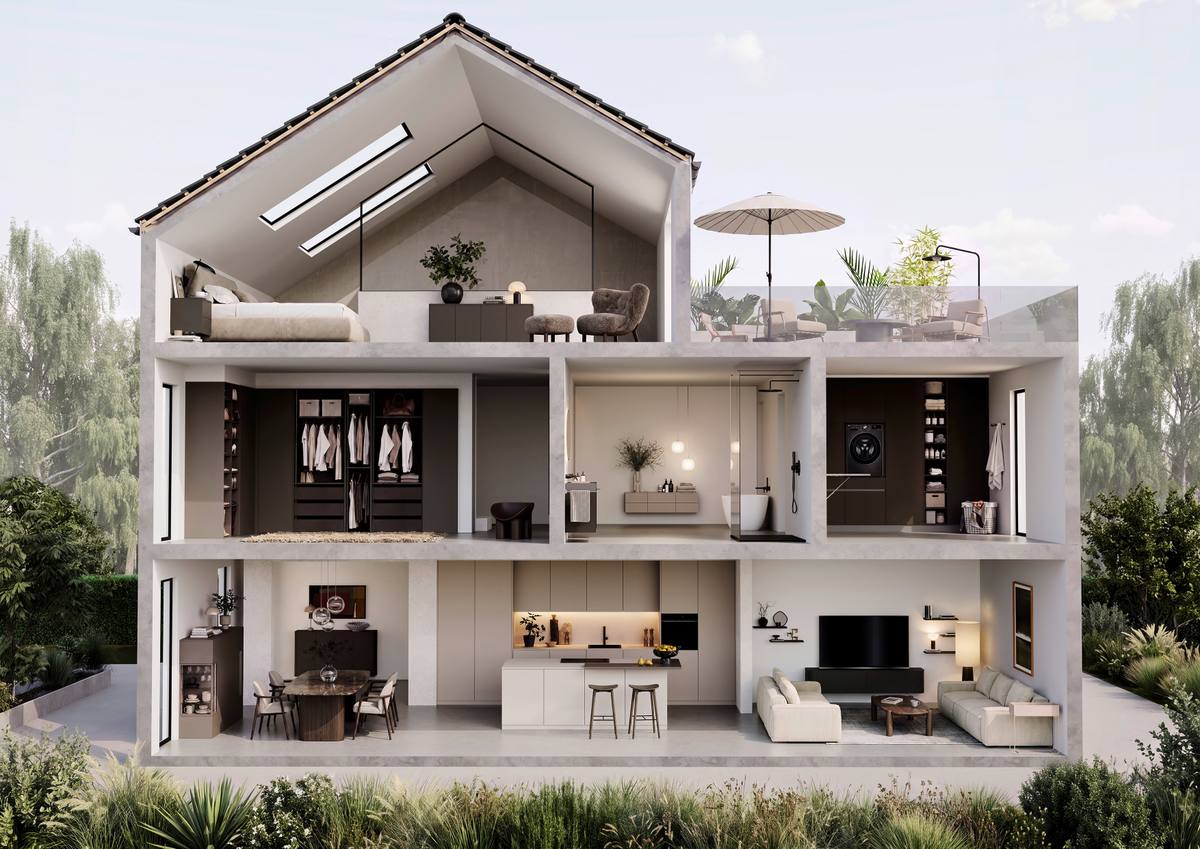
Rotpunkt, leading manufacturer of climate-friendly German furniture, shares the top interior design trends in 2027, as curated living experiences that achieve visual balance throughout the entire home become an overriding factor for many new build properties and renovation projects in the UK.
Matt Phillips, Head of UK Operations at Rotpunkt, explains: "From the downstairs kitchen and living spaces to dedicated areas for dressing, laundry, sleeping, and self-care, homeowners are favouring unique home environments that offer a strong aesthetic style and natural flow from room to room. Lending itself to authentically designed products and materials that prioritise a clean design language, 2027 is leaving the standard behind to create interior spaces that are making a difference in everyday life."
According to the brand, this shift represents a fundamental change in market behaviour, revealing that the age of choosing between aesthetics and utility is officially over.
Three Core Trends Defining the Modern Home
Curated living experiences
The most in-demand living environments will be sensory-rich and defined by tactile warmth in 2027. Furniture will continue to explore the visual rhythm of nature-inspired colour palettes, with the addition of mixed wood tones in oak and walnut, warm metals, and tactile surfaces that establish a unique style identity and sense of place.
Intuitive design solutions that align seamlessly with both the space and user are also enriching the home experience. Fresh picks include large-format fronts that extend from floor to ceiling, pull-out and lift-up storage systems, modern rotating cabinets that improve ergonomics, and curved design solutions for increased functionality and physical flow.
Sense of unity
Adopting a door-to-floor design approach where materials, colours, and styles are used to connect one space to another has sparked a greater sense of unity in the home. Modular furniture solutions are serving as catalysts for cohesive interiors and next year, are being used to ensure every room flows seamlessly together.
Market drivers include vertical grooves in the kitchen, living room, and bathroom; transitional-style display storage in the cook zone, entertainment areas, and walk-in dressing room; book-matched, architectural surfaces that mirror high-end wood grains and stone patterns; and fully coordinated kitchens, wardrobes, and furniture finished in the same or opposing interior and exterior colours.
Visual balance
From curved handleless furniture to rounded islands and floating wall units, 2027 is moving away from rigid lines towards soft curves, earthy, tactile materials, and organic forms. Look out for climate-friendly wood finishes, exposed natural stone, warm metallics, and earth-toned neutrals in shades of soft brown, warm grey, and caramel that resonate all through the house.
Matt concludes: "Our homes are no longer just places to rest; they have become dynamic reflections of our lifestyles and personal well-being. This year, interior design is shifting away from stark minimalism and embracing spaces that feel deeply personal, functional, and alive. From the revival of warm, earthy colour palettes to the rise of free-flowing layouts, these current trends are helping to reimagine four key areas of the home - the kitchen, living room, bathroom, and bedroom space."
Climate-Friendly Innovation and Manufacturing
Rotpunkt continues to avoid, reduce and compensate its carbon footprint, offsetting all unavoidable emissions from production, vehicle fleet, and employee mobility to create 100% climate-friendly home interiors. The company’s 'Together to zero' climate strategy in partnership with Myclimate is supported by Greenline BioBoard Gen2: a sustainable and environmentally friendly alternative to traditional chipboards.
Made by Pfleiderer Deutschland, BioBoard Gen2 is a resource-saving chipboard that consists of up to 90% recycled wood without compromising on style or quality. Fulfilling the world's highest requirements for formaldehyde emissions, BioBoard Gen2 is certified F4 star standard, offering 50% fewer emissions when compared to conventional chipboard to ensure a healthier living environment.
Contributor at The London News