Why you should NEVER make your bed when you're sick
From your child's favourite teddy to your morning cuppa: the everyday sick-day habits worth changing.
14 October 2026 · 6 min read
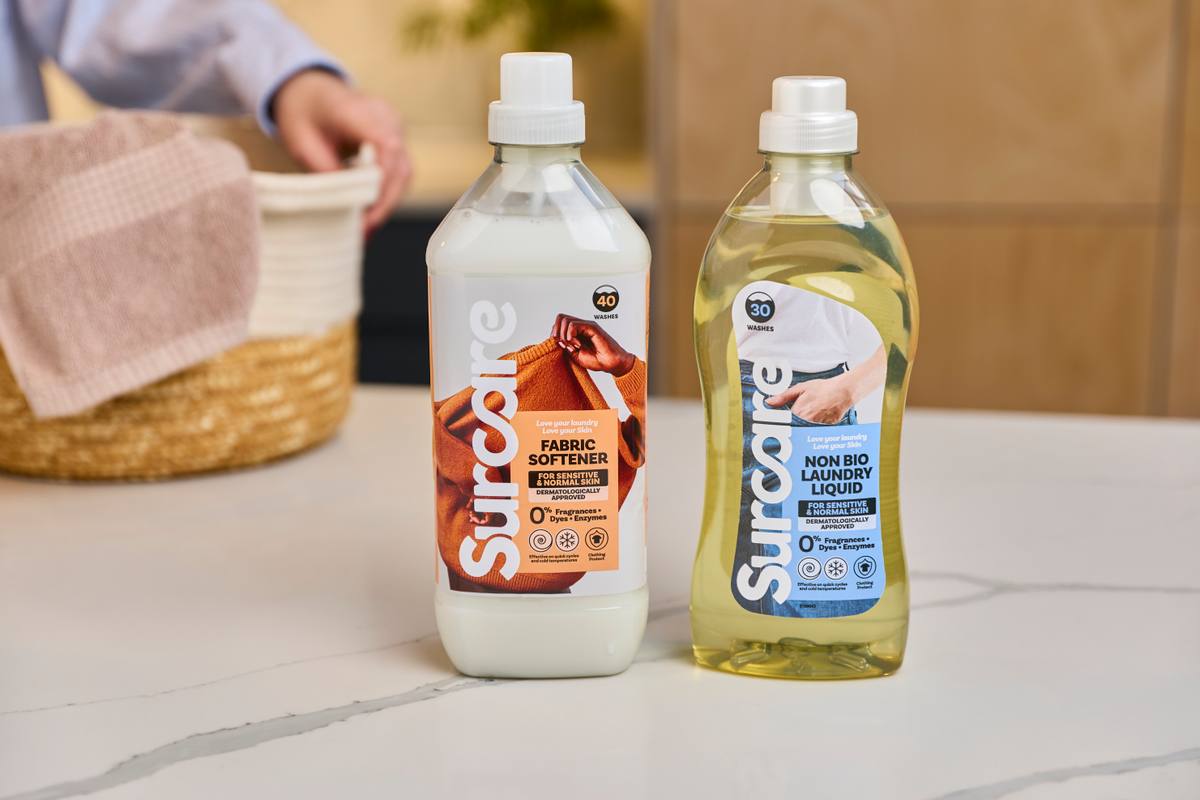
From sweaty bedding and endless cups of tea to a mountain of washing up, cold and flu season can turn even the tidiest home upside down.
But while we're busy stocking up on tissues, sipping honey and lemon and retreating under the duvet, some of our everyday household habits could be adding to our discomfort.
That favourite dressing gown you've been wearing for three days? The teddy your poorly child refuses to put down? Or the tea towel that's been used to dry everything from mugs to mucky hands?
They could all be overdue a little TLC.
According to sensitive-skin laundry experts Surcare, everything from damp bedding and forgotten laundry to heavily fragranced cleaning products could be making those miserable sick days even more uncomfortable, particularly for people with sensitive skin.
Surcare has talked with Dr Daniel Grant from Medichecks to reveal surprising household habits worth rethinking this cold and flu season.
Stop making your bed when you're sick
It might go against everything your mum taught you, but making your bed first thing in the morning isn't always the best idea, especially when you've been sweating through the night.
Pulling your duvet straight back over damp sheets can trap moisture, leaving your bedding feeling less than fresh.
Dr Daniel Grant explains: “When we're unwell, particularly if we're running a temperature, we may sweat more than usual during the night. This can leave our bedding feeling damp and uncomfortable.
“Rather than pulling the duvet straight back over your sheets, try folding it back and allowing your bedding to air. This helps trapped moisture evaporate and can make your sleeping environment feel fresher. If you've been sweating heavily, changing your sheets and pillowcase is a good idea too.”
Your child's favourite teddy might need a bath too
It's the one thing your little one refuses to put down when they're poorly. But while their favourite teddy might provide some much-needed comfort, it could also become a place where germs linger.
And while we're quick to change their bedding and pyjamas, their favourite furry companion can easily be forgotten.
If your child has been cuddling their teddy throughout their illness, consider giving it a wash, following the care label.
For machine-washable toys, use a fragrance-free laundry detergent, such as Surcare Non-Bio Laundry Liquid, and ensure they're completely dry before returning them to the bed. Just make sure you have a spare teddy on standby to avoid a bedtime meltdown!
Your tea towel shouldn't be doing double duty
When someone in the family is poorly, the kitchen can quickly become a revolving door of dirty mugs, soup bowls and used cutlery.
But if you're using the same tea towel to dry the dishes, wipe your hands and mop up spills, it might be time to rethink your routine.
Damp tea towels can harbour bacteria, particularly when they're used for several different kitchen jobs.
And remember, when someone in the household is unwell, good hand hygiene and thoroughly washing used kitchenware are particularly important.
Your dressing gown could be your dirtiest sick-day companion
We've all been there. You're feeling poorly, you've barely left the sofa and you've been living in the same dressing gown for three days.
But while your favourite fluffy dressing gown might feel like the ultimate comfort blanket, it could be collecting more sweat and snotty sleeves than you realise.
When you're running a temperature, your body can produce more sweat than usual, leaving fabrics damp and uncomfortable.
Rather than waiting until your usual laundry day, give your dressing gown a wash if it's become sweaty or soiled, and make sure it's completely dry before wearing it again.
Your hot water bottle could be hiding a dirty secret
When you're feeling chilly and achy, a hot water bottle can become your best friend.
But when was the last time you washed its fluffy cover? Hot water bottle covers can absorb sweat and body oils, particularly when they're tucked under your duvet or held against your body for hours.
If you've been relying on yours throughout your illness, consider giving the cover a wash according to its care label.
And remember, never use boiling water in a hot water bottle or place it directly against your skin, as this can cause burns.
Stop letting your washing-up sponge live in a swamp
That soggy sponge sitting at the bottom of your washing-up bowl might be one of the most overlooked items in your kitchen.
From leftover soup to the remains of last night's dinner, washing-up sponges can quickly collect food residue and bacteria, particularly when they're left sitting in warm, dirty water.
Rather than leaving your sponge soaking in the washing-up bowl, rinse it thoroughly after use, squeeze out excess water and leave it somewhere it can dry properly.
Replace sponges regularly, particularly if they start to smell unpleasant or become visibly dirty.
And if you're tackling an endless pile of sick-day washing up, choose a washing up liquid designed with sensitive skin in mind, such as Surcare's fragrance-free washing up liquid, to avoid drying out your hands.
Your sick-day sofa could need a laundry day of its own
When we're feeling unwell, the sofa often becomes our second bed, complete with blankets, cushions, tissues and endless cups of tea.
But while we might remember to change our bedding, the blankets we've been wrapped up in all week can easily be forgotten.
If you've spent several days recovering on the sofa, consider washing your throws and removable cushion covers, just make sure to follow the cleaning label instructions!.
After all, there's nothing quite like curling up under a freshly washed blanket when you're feeling poorly.
Give your pillowcase a daily wardrobe change
We might change our pyjamas when we're feeling poorly, but how often do we think about the pillowcase we're sleeping on?
From runny noses and night sweats to the extra hours spent in bed, your pillowcase can quickly become damp and uncomfortable.
And if you're sensitive to fragrance, heavily perfumed laundry products lingering on the fabric could add to your discomfort.
Dr Daniel Grant explains: “When we have a cold, our nasal passages can become inflamed and more sensitive than usual. For some people, strong fragrances can act as an irritant, potentially triggering sneezing or making an already irritated nose or throat feel more uncomfortable.
“Fragrance ingredients can also cause skin irritation or allergic reactions in some individuals. Choosing fragrance-free laundry products for bedding and pillowcases can be a sensible way to minimise exposure to potential irritants, particularly when you're already feeling unwell.”
Try keeping a few clean pillowcases beside your bed and swapping them over more frequently while you're poorly, particularly if you've been sweating heavily.
Wash them using a fragrance-free detergent, such as Surcare, to avoid adding unnecessary fragrance, dyes and enzymes to the fabric that spends hours in direct contact with your face.
Your favourite sick-day mug needs a proper wash
When you're feeling poorly, there's nothing quite like a comforting cup of tea with honey and lemon.
But if you're constantly topping up the same mug throughout the day, don't forget to give it a proper wash.
And if someone else in the household is unwell, sharing mugs, glasses and cutlery is one habit worth avoiding.
Dr Daniel Grant explains: “When you're feeling unwell, it's easy to keep topping up the same mug throughout the day. However, if someone in your household has a cold or flu, it's important to avoid sharing cups, glasses and cutlery.
“Respiratory viruses can spread through contaminated hands and objects, so washing used kitchenware thoroughly with warm water and washing up liquid is a sensible precaution..”
For households with sensitive skin, Surcare's washing up liquid offers an alternative to heavily fragranced products, helping you keep on top of the endless sick-day washing up without adding unnecessary fragrance to your routine.
Contributor at The London News