Where you live could decide if you survive cardiac arrest: Resus Annie on Tours comes on tour
29 October 2026 · 2 min read
Survival rates from out-of-hospital cardiac arrest vary dramatically depending on where in the UK it happens, from around 1 in 9 (11.3%) in London1 to 9.5% in Northern Ireland
North West of England (7.8%) and East Midlands (7.8%) also fall behind the capital, while Greater Glasgow and Clyde (10.10%) sits somewhere in between
Robust survival rate data for out-of-hospital cardiac arrest in Wales is not currently available
Nearly 7 in 10 cardiac arrests in London (64%) receive bystander CPR before paramedics arrive, but confidence to step in and help varies significantly between communities
London has around 11,000 public access defibrillators, yet many Londoners have no idea where their nearest one is, or how to use it
Would you know what to do if someone collapsed in cardiac arrest in front of you? That question is being put to Londoners this October as a UK-wide campaign arrives in the capital to highlight the simple actions that can help save a life before an ambulance arrives.
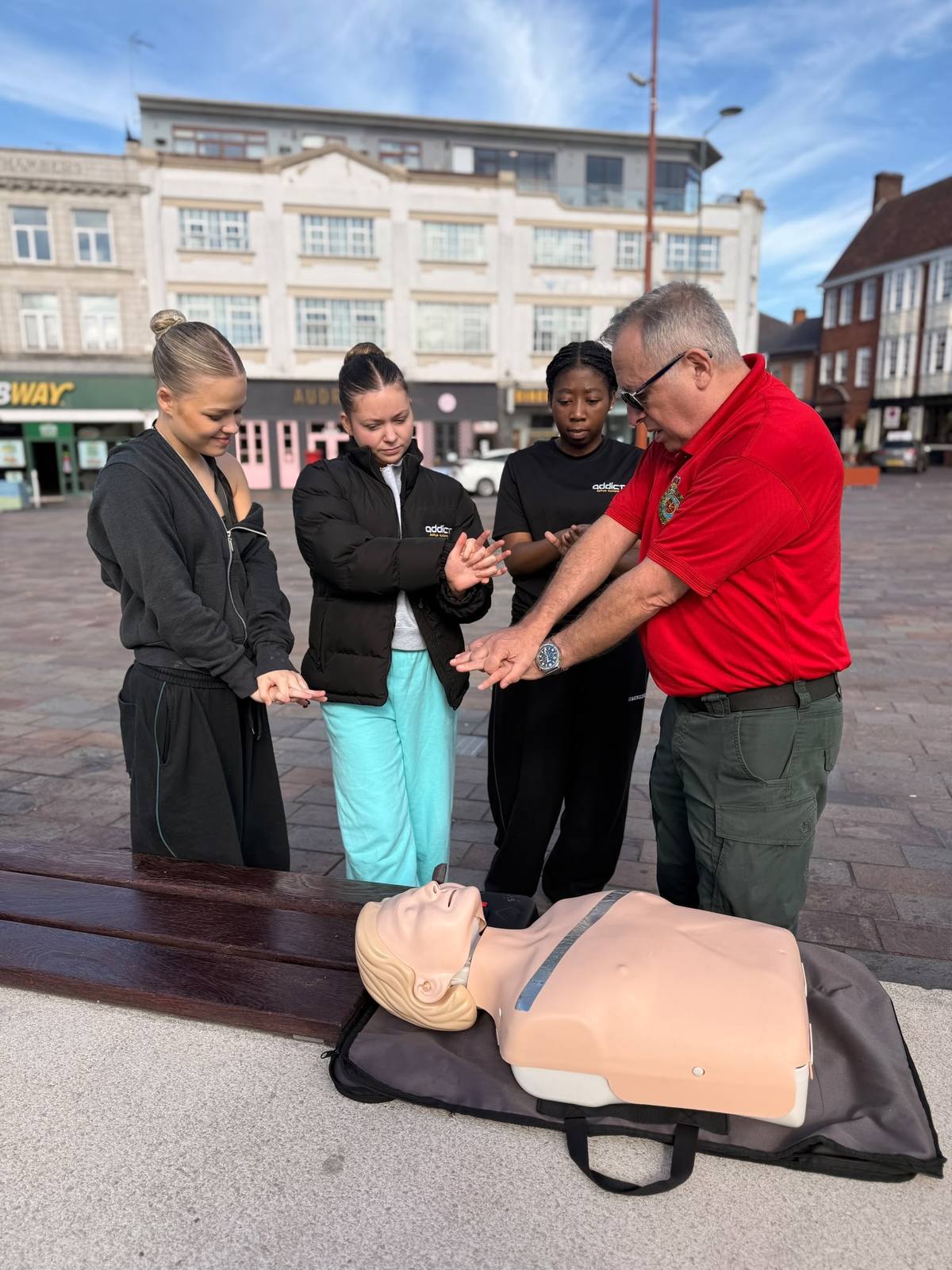
Resuscitation Council UK (RCUK) will brought Restart a Heart 2026 to London last week (Tuesday 13 October) through Resus Annie on Tour, a travelling CPR training manikin visiting six UK cities to tackle inequalities in cardiac arrest survival.
London Ambulance Service forecasts that more than 12,000 people will experience a cardiac arrest in the capital during 2026. With survival currently around one in ten, thousands of Londoners still lose their lives annually.
Cardiac arrest is one of the most time-critical medical emergencies a person can face. Every year, 115,000 people experience an out-of-hospital cardiac arrest, and survival is a race against the clock. Immediate recognition, early CPR and rapid defibrillation can be the difference between life and death, often before an ambulance even arrives.
Addressing community inequalities in lifesaving skills
While London has one of the highest survival rates in the UK, significant inequalities remain. RCUK data shows that access to lifesaving skills is not shared equally. People from ethnic minority backgrounds are less likely to have accessed CPR training and are less likely to know where their nearest defibrillator is or how to use it. Meanwhile, people living in more deprived communities are less likely to receive bystander CPR, despite it having the potential to double a person's chance of survival.
Resus Annie on Tour tackles this challenge head-on by giving people the opportunity to practise CPR and speak directly with experts in the communities that need it most. Members of the public are being encouraged to stop and speak to the team when they spot Resus Annie, where RCUK will be sharing lifesaving advice, hearing local perspectives, and helping more people gain the confidence to act in an emergency.
The campaign also encourages people to learn the steps to CPR through a dedicated QR code. After completing the training, individuals can register as ResusReady, helping RCUK map where lifesaving skills are being developed across the UK and identify communities where further support is needed.
Adam Benson-Clarke, Clinical Director at RCUK said: "Nobody's chance of surviving acardiac arrest should depend on their postcode, ethnicity or background. Yet we know that access to lifesaving skills and knowledge is not equal. Through Resus Annie on Tour, we're helping more people learn CPR and feel confident stepping in when every second counts."
Contributor at The London News