The Early Mouth Cancer Symptoms People Routinely Overlook
Dentist Dr Soumaya Zinet explains the easy to dismiss changes that can be the first sign of mouth cancer.
18 November 2026 · 4 min read
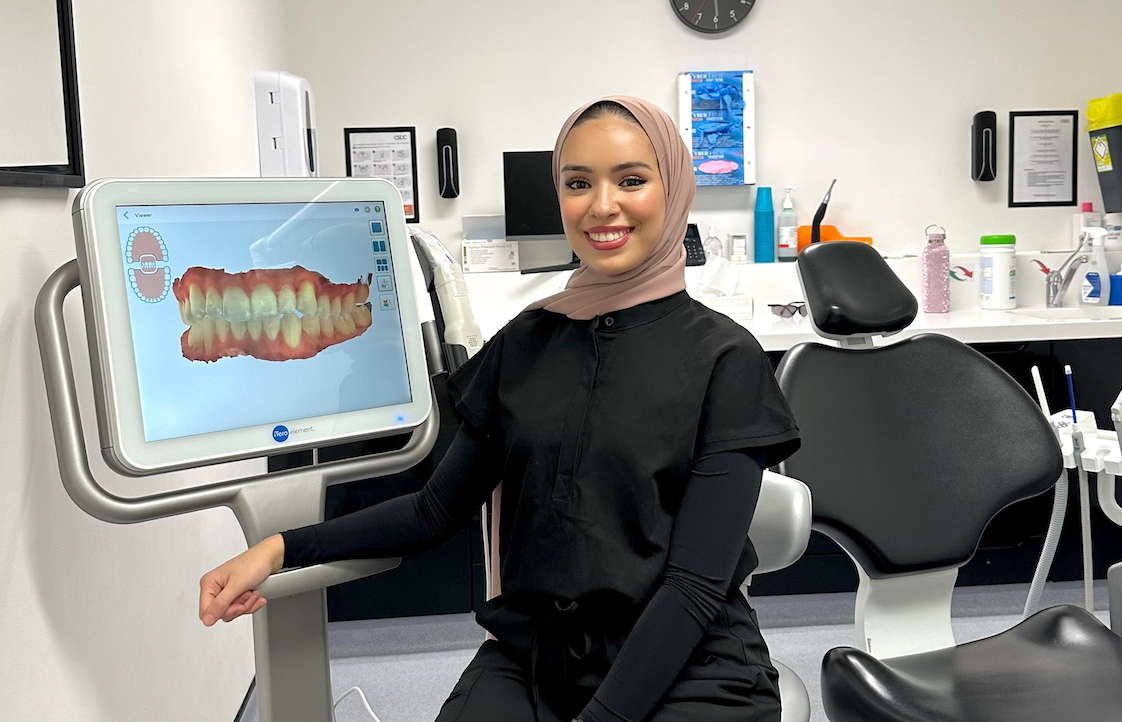
November is Mouth Cancer Action Month. Below, Dentist Dr Soumaya Zinet explains the small, easy to dismiss changes that can be the first sign of mouth cancer, and why three weeks is the number to remember.
Why I check more than your teeth
Every time you sit in my chair for a check-up, I'm looking at far more than your teeth. I check your tongue, cheeks, gums, the roof and floor of your mouth, your lips and your neck. Most patients have no idea this is happening, and that's fine. It takes less than a minute, and it's one of the most important things I do.
Mouth cancer is far more common than most people realise. The Oral Health Foundation's latest figures show 10,825 new cases a year in the UK, more than double the number of 20 years ago. Sadly, over half are found at stage III or IV, when treatment is harder and outcomes are worse.
The frustrating part is that the early signs are often there. They're just so ordinary that we explain them away.
Who is at risk?
Smoking and drinking alcohol are the biggest risk factors, and the risk is much higher if you do both. The human papillomavirus (HPV) is another major cause, particularly of cancers at the back of the mouth and in the tonsils. Mouth cancer is more common in men and in people over 55.
But please don't read that and switch off. I've seen it in non-smokers, in people who barely drink and in people in their thirties and forties. Anyone with a mouth can get mouth cancer, which is exactly why knowing the signs matters.
The signs people routinely overlook
None of these automatically means cancer. Most will turn out to be something harmless. What matters is whether they go away.
An ulcer that won't heal. We all get mouth ulcers, especially when we're run down, which is why this one is so easily ignored. Fewer than half of UK adults know a long-lasting ulcer can be a warning sign.
Red or white patches. A red, velvety patch or a white patch that can't be wiped away, often on the tongue, gums or inside the cheek.
A lump or thickening. Anywhere in the mouth, on the lip or in the neck. A lump in the neck is often mistaken for a swollen gland after a cold.
A sore throat or hoarse voice that lingers. Easy to blame on a virus, a busy week or shouting at the football.
Pain or difficulty swallowing, or a feeling that something is stuck in your throat.
Numbness or tingling in your lip, tongue or chin with no obvious cause.
A tooth that suddenly feels loose, or dentures that stop fitting properly, without any gum problems to explain it.
Pain in one ear that isn't an ear infection.
Remember three weeks
If any of these changes hasn't cleared up within three weeks, book an appointment with your dentist or GP. You don't need to wait for your next routine check-up, and you're not wasting anyone's time. If we're concerned, we can refer you urgently to a specialist.
As a busy mum, partner or carer, it's very easy to put everyone else first and tell yourself you'll deal with it later. Please don't. A quick look now gives you either peace of mind or a much better chance of straightforward treatment.
A two-minute check you can do at home
Once a month, after brushing your teeth, stand in front of a mirror in good light. Take out any dentures first.
Look at and feel your lips, inside and out.
Check your gums all the way round.
Stretch each cheek out with a finger and look inside.
Stick your tongue out and look at the top, sides and underneath.
Tilt your head back and look at the roof of your mouth, then lift your tongue to see the floor.
Gently feel along your jaw and down both sides of your neck for lumps.
You're not trying to diagnose anything. You're just getting to know what's normal for you, so you'll notice when something changes.
Lowering your family's risk
Stop smoking, including chewing tobacco, paan and gutka. Your GP or local stop smoking service can help, and it's free.
Keep alcohol within the recommended 14 units a week, spread over several days.
Say yes to the HPV vaccine. It's offered free to boys and girls in Year 8 at school. If your child missed it, they can still catch up on the NHS.
Eat plenty of fruit and vegetables, which is linked to a lower risk.
Keep up with dental check-ups, even if your teeth feel fine. Tell your dentist about any changes you've noticed, however small.
My message this Mouth Cancer Action Month
Mouth cancer is far easier to treat when it's caught early, and early signs are usually things you can see or feel yourself. If something in your mouth has been bothering you for more than three weeks, please get it looked at. And if it's been a while since your last check-up, now is a good time to book one.
Contributor at The London News