How well do Brits know their scalp?
Sore scalp? Expert urges Brits to stop ignoring symptoms as almost HALF fail to recognise warning sign.
23 November 2026 · 3 min read
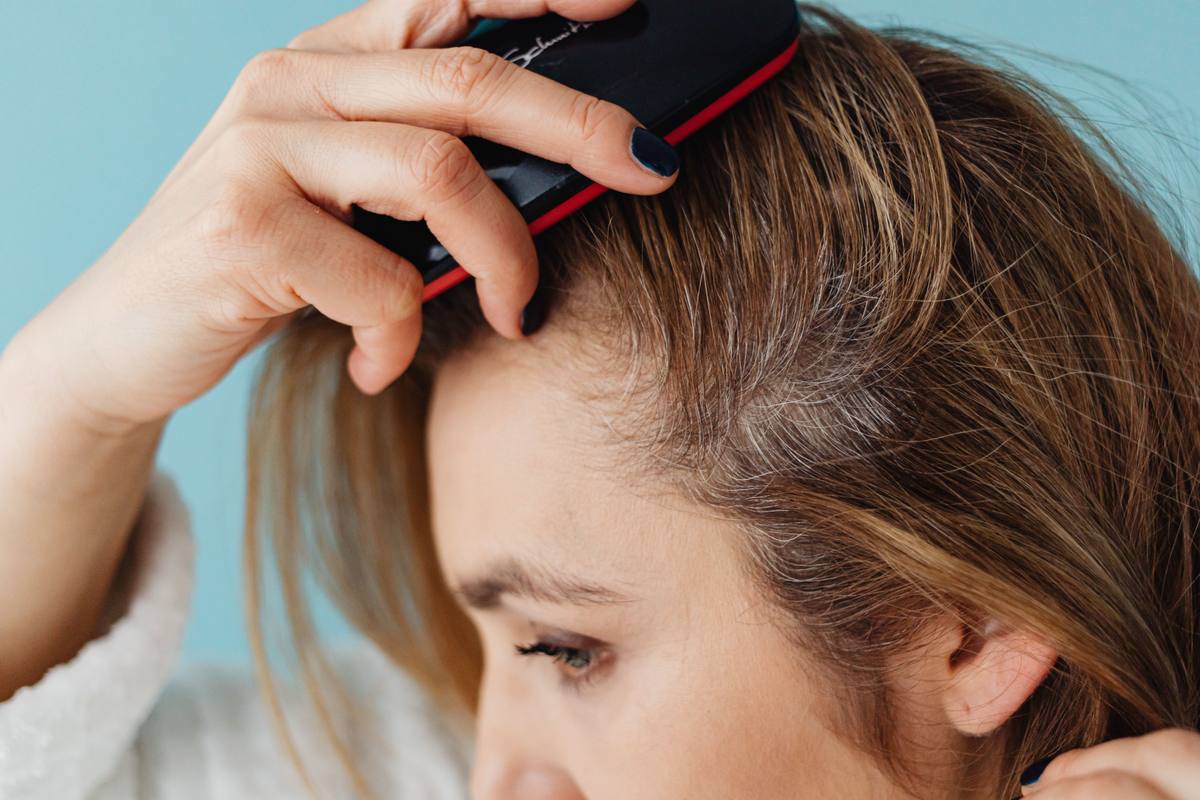
Tightness or soreness is the least recognised of the four scalp signs listed, with almost half (48%) failing to identify it, as per new research from Polytar
Men are more likely to miss the sign than women: 54% versus 43%
Wales has the highest proportion not recognising the sign at 57%, compared with 40% in the North West
More than half of Brits (56%) have ignored or put off addressing at least one scalp symptom
November 2026: Almost half of Brits (48%) don’t recognise tightness or soreness as a possible sign of a scalp concern, despite one in six (17%) having experienced scalp tenderness or soreness themselves.
New research from Polytar found that tightness or soreness was the least recognised of the four scalp signs listed. While 84% identified itching, 77% recognised visible flaking and 72% selected redness or irritation, just 52% identified tightness or soreness.
The awareness gap comes despite three quarters of Brits (74%) saying they’re confident they know what a healthy scalp should look and feel like. Polytar Trichologist Marta Teixeira is urging people to look beyond flakes and pay attention to how their scalp feels, including itching, flaking or soreness.
Men are more likely to miss it. More than half (54%) didn’t identify tightness or soreness as a possible sign of a scalp concern, compared with 43% of women. Younger adults are also less likely to recognise it: 55% of 18–24-year-olds didn’t select it, compared with 43% of those aged 65 and over.
The research reveals differences across the UK, too. In Wales, 57% didn’t identify tightness or soreness, followed by 55% in the East of England and 54% in both the West Midlands and Northern Ireland. The North West had the lowest proportion at 40%.
The full breakdown shows the proportion in each region or nation who didn’t identify tightness or soreness as a possible sign of a scalp concern:
Region/nation | Didn’t identify tightness or soreness |
Wales | 57% |
East of England | 55% |
West Midlands | 54% |
Northern Ireland | 54% |
East Midlands | 50% |
South West | 50% |
Scotland | 48% |
London | 47% |
North East | 45% |
South East | 45% |
Yorkshire & the Humber | 43% |
North West | 40% |
Despite these gaps, three-quarters of Brits (74%) say they’re confident they know what a healthy scalp should look and feel like.
And it isn’t just soreness that causes confusion. A quarter (25%) incorrectly believe that visible scalp flakes always mean dandruff. This rises to more than a third (36%) in London, compared with 18% in Scotland.
Recognising a symptom doesn’t always mean doing something about it, either. More than eight in 10 Brits (83%) have experienced at least one scalp symptom, but more than half (56%) have ignored or put off addressing one.
Itching is the one we’re most likely to put up with. Half of Brits (51%) have experienced an itchy scalp, and almost a quarter (23%) have ignored it or delayed doing anything about it. Visible flaking or dandruff has affected 43%, with 18% ignoring it or putting off dealing with it.
Polytar Trichologist Marta Teixeira, a Prescribing Clinical Trichologist at CliniHair, NHS Dermatology Specialist Nurse & Lecturer & Academic Tutor in Trichology, says:
"These results don't surprise me. In clinic, I often see people who have put up with an itchy or flaky scalp for months, usually after trying several things they found online. The problem is that flakes aren't always dandruff.
“Seborrhoeic dermatitis, psoriasis, eczema and reactions to products like gels and sprays can all look similar, and a recent study found that people commenting on TikTok scalp videos regularly mixed these conditions up, while fewer than 1% mentioned seeing a professional. Each needs a different approach, so guessing can mean weeks of the wrong treatment.
"My advice is simple: check your scalp as often as you check your face, in good light and don't ignore itching, flaking or soreness. A pharmacist can recommend a medicated shampoo with an evidence-based ingredient such as coal tar. If things haven't improved after four weeks or your scalp is red, swollen or painful, see your GP, a dermatologist or a qualified trichologist."
To help people get to know their scalp a bit better, Polytar has created a Scalp Health Calculator, which takes into account everyday factors including stress, exercise, winter weather, hard water and product build-up.
Polytar is the original coal tar shampoo, with proven anti-inflammatory, antiseptic, and exfoliating properties. Formulated with a 4% Coal Tar Solution, Polytar is clinically proven to help treat psoriasis as well as other scalp conditions like seborrhoeic dermatitis, eczema, dandruff, flaking, and itching.⁵ Polytar is a medicated shampoo. Always read the label.
Contributor at The London News