Health experts launch £3-a-day food-first plan to help prevent malnutrition
BAPEN, the UK’s clinical nutrition charity, has launched a clinically backed seven-day meal plan and shopping list designed to support adults at risk of malnutrition
18 November 2026 · 4 min read
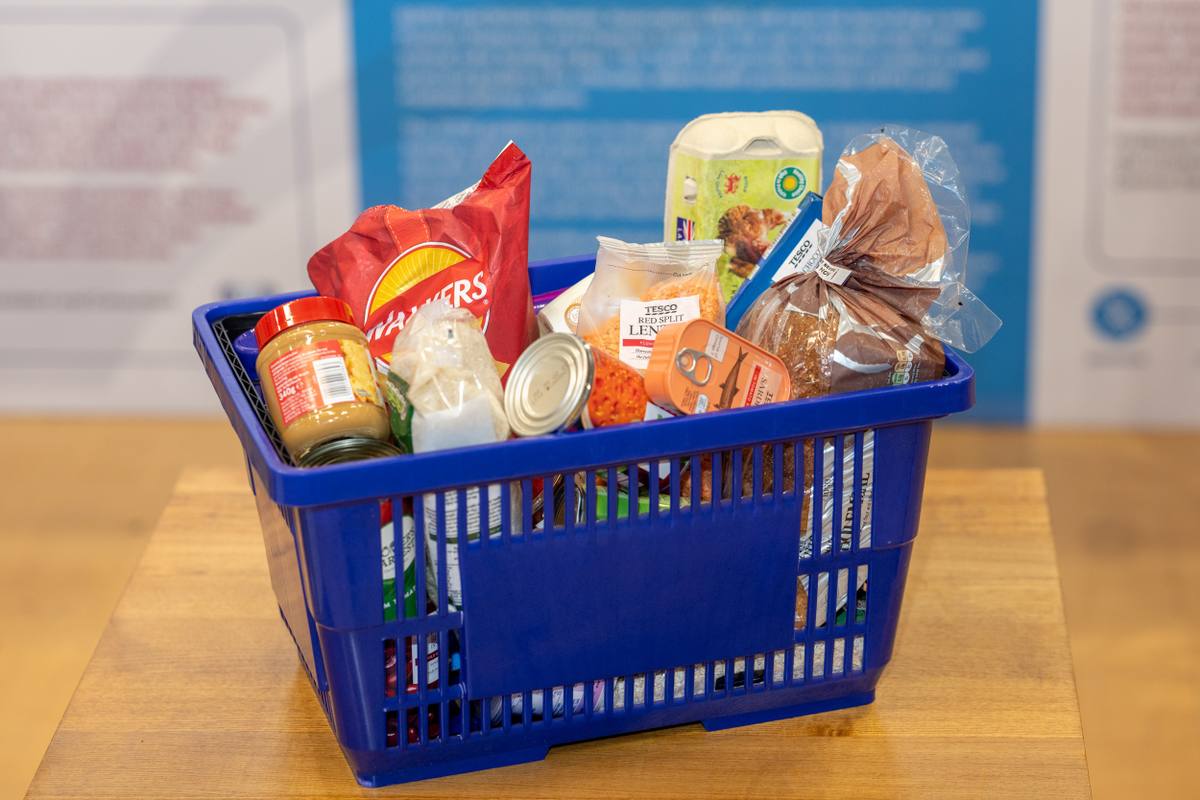
Clinicians are urging people who are struggling to eat enough to add full-fat milk, extra cheese and milky drinks to their day as the British Association for Parenteral and Enteral Nutrition (BAPEN) today launches the UKMAW Nutrition Support Basket: a seven-day shopping list and meal plan built on the food-first approach used in clinical practice, that provides two adults with a nourishing week of food for under £42.
Malnutrition is common, often hidden and largely preventable. Nearly half (45%) of adults screened across UK health and care settings were found to be at risk,(1) and an estimated 1.3 million people aged over 65 in the UK are malnourished, 93% of whom live in the community.(2)
The basket launch comes as the cost of living continues to squeeze household budgets. Food prices were 2.9% higher in October than a year earlier, with cupboard foods up 3.2%.(3) BAPEN warns that skipping meals or cutting back on filling, protein-rich foods to save money can tip people who are already vulnerable into malnutrition. One in eight UK households (12.2%) experienced food insecurity in June 2026.(4)
Launched to open UK Malnutrition Awareness Week (16 to 22 November), the basket is for anyone who is not eating enough or who may need more energy and protein in their diet, including those experiencing a small appetite due to illness or older age, as well as people finding it harder to eat well as food costs rise. It can also be used by families and carers supporting them.
The full week’s shop costs £40.93 at Aldi and £41.65 at Tesco, under 50p on average for each of the 84 meals and snacks. It provides an average of around 2,300 kcal and 89g of protein per person per day, alongside at least five portions of fruit and vegetables.
Developed with clinical nutrition expertise, the basket follows the ‘food first’ approach commonly recommended for people at risk of malnutrition, making everyday foods more nourishing with simple extras like evaporated milk stirred into porridge and hot chocolate, grated cheese added to soups, beans and mash, and yoghurt added to meals. It mixes British classics such as sausage and mash with dishes including red lentil dal and jollof-style rice, and relies mainly on tinned, frozen and dried foods to keep costs and waste down.
BAPEN is also asking families who visit older relatives this winter to look out for signs that someone may not be eating enough: clothes, rings or dentures becoming loose, a low appetite, unplanned weight loss, or a fridge and cupboards that are emptier than usual.
Malnutrition can affect people in hospital, in care settings and at home, and recognising the signs early matters,” said Dr Jane Fletcher, BAPEN President and Consultant Nurse for Nutrition and Intestinal Failure. “Whether it’s a patient losing weight or their appetite, or an older relative whose clothes look looser or fridge looks emptier, these changes shouldn’t be overlooked. Screening is an essential first step, but patients then need advice they can realistically follow, and affordability has to be part of that conversation. For someone at risk of malnutrition, making every mouthful count can make a real difference, and this basket shows that doesn’t have to mean spending more.
The basket has been designed to translate clinical nutrition principles into practical, everyday choices. For healthcare professionals, it provides a costed resource to share as part of food-first advice after screening with the Malnutrition Universal Screening Tool ('MUST'), particularly where cost may be a concern. Every main meal provides at least 10g of protein, and nine downloadable recipe cards include allergy, vegetarian and halal swaps, a fortification tip and storage and reheating advice.
You don’t have to follow the whole plan to benefit from it. Try a few of the recipes, snacks or drinks, or simply use the shopping list for inspiration next time you shop,” said Ellie Coles, BAPEN Communications Officer and Registered Dietitian. “The idea isn’t to replace your usual shopping basket, or any advice you’ve been given by a healthcare professional, but to show how small, affordable changes to everyday foods can help you get more energy and protein into your day.
The basket, shopping list and recipe cards are free to download at https://www.bapen.org.uk/malnutrition/uk-malnutrition-awareness-week/nutrition-support-basket/. People who are concerned about their own risk of malnutrition, or a relative’s, can check it using BAPEN’s free online Malnutrition Self-Screening Tool.
Important: The basket is general guidance. It may need to be adapted for people with disease, health conditions such as diabetes, food allergies, swallowing difficulties or who have been advised to follow a special diet. Anyone unsure whether it is suitable should speak to a healthcare professional.
About BAPEN
The British Association for Parenteral and Enteral Nutrition (BAPEN) is a UK Charitable Incorporated Organisation (CIO) which brings together leading multi-disciplinary professional and patient groups and networks from across the UK to help promote the best possible outcomes in nutritional care. Our work spans research, education, guidance development and national awareness-raising with a dedication to the prevention, identification and management of malnutrition across all care settings. https://www.bapen.org.uk/
(1) Stratton, R., et al. (2023). Malnutrition and Nutritional Care Survey in Adults: UK Malnutrition Awareness Week, October 2022. Malnutrition Action Group of the British Association for Parenteral and Enteral Nutrition (BAPEN).
(2) British Association for Parenteral and Enteral Nutrition (BAPEN). Introduction to Malnutrition. Malnutrition in England factsheet.
(3) British Retail Consortium and NIQ (2026). Shop Price Monitor: October 2026. Published 27 October 2026; reporting period 1–7 October 2026.
(4) The Food Foundation (2026). Food Insecurity Tracker.
Contributor at The London News