Health and fitness and the menopause
3 November 2026 · 4 min read
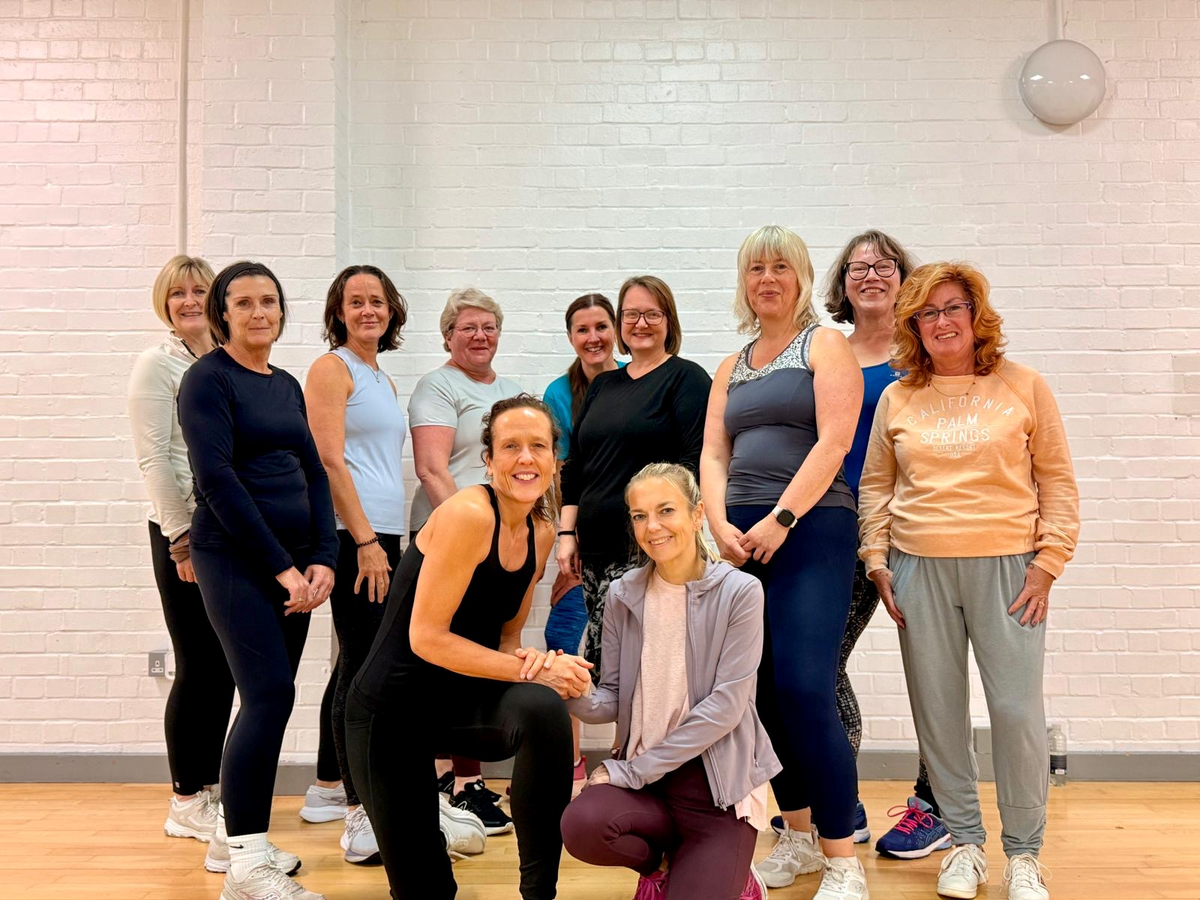
Joanne Neale is a Health and Fitness Manager in 'Better' leisure centres run by charitable social enterprise GLL. She describes here how women can boost their mental, physical and emotional health during menopause.
'Menopause is a fact of life for all women. It usually occurs between the ages of 45 and 55 and is defined as the point in a woman's life where she hasn't had a period for twelve months. However, because it is caused by gradually decreasing levels of reproductive hormones, the run-up to menopause can take place over a few years - generally known as 'perimenopause'.
For some women, these hormonal fluctuations cause a range of distressing symptoms such as the legendary hot flushes, mood fluctuations, weight gain, brain fog, joint ache and sleep problems. This can disrupt every aspect of their lives and can also impact relationships with friends, family and colleagues, too.
But while going through the menopause is unavoidable, there is a lot that women can do in terms of diet and exercise to help themselves through this time and reduce suffering.
Until quite recently, menopause was a big 'taboo' - people didn't talk about it and women were expected to 'just get on with it'. Now, however, I'm glad to say that things are changing. In recent years, in my work as a Health and Fitness Manager and exercise instructor I've noticed more and more women coming to our centres with questions about keeping fit and managing their symptoms through physical activity.
I've always been passionate about health and fitness for everyone – I oversee gym programmes and group exercise classes and I also teach Pilates as well as other fitness disciplines - and I believe it's vital that professionals 'skill up' to meet their customers' needs. This is why, last year, I studied for a new qualification – the YMCA, Level 3, Menopause Exercise Specialist accreditation.
The course was amazing and one of the main things I learned was that hormones affect everything we do. It also emphasised the fact that menopausal women benefit from looking at the 'big picture' when it comes to health and fitness.
Many people have picked up through the media that they need to take up strength training as they age and this is definitely true. However, women also need to do a range of other exercise – for example, cardio exercise to improve heart health and stretching classes for balance and joint mobility such as Pilates and yoga.
At my centre, we've recently concluded a six-week pilot course for customers on tackling the menopause. One of the biggest benefits of this was offering women the opportunity to speak to others about what they're going through. There was a real sense of community support. The course has been so successful that we're hoping to run it again and expand it to other centres.
Five essential lifestyle tips for navigating menopause
Obviously, menopause is a big topic and women will all have their individual challenges. It’s also important for people to seek advice from their GP and look into the pros and cons of HRT as this can be life-changing for many people. But when it comes to health and fitness during the menopause transition and beyond, these are my top five tips for navigating this time:
As physical activity helps regulate blood sugar levels and improve insulin sensitivity cardiovascular training is helpful. Aerobic activities such as Interval Training in a protocol such as 40:20 rather than a 20:10 split incorporating strength training and aerobic training exercises ensuring each major muscle group is trained at least twice a week. During the menopausal transition increasing aerobic training and resistance training will support heart health, weight gain, bone health and muscle mass. Aerobic exercise should be modified accordingly for women experiencing the menopause.
Pilates or yoga will benefit range of motion, stiffness and promote a feeling of wellbeing relieving stress and counterbalancing sleep disturbances.
Avoid sugary foods, processed meats, refined grains, unhealthy oils and high processed or chemically processed foods
Increase daily protein which is very valuable during menopause due to its metabolic potential
Follow the big '4' - smoking cessation, sleep improvements, stress reduction, alcohol moderation
Due to the decline in oestrogen we are more prone to stress, resulting in a higher circulatory level of cortisol in the body. Managing stress then becomes a bigger issue as we are more likely to feel anxious and possibly depressed. Lifestyle interventions can help to manage this. Twenty minutes of moderate aerobic activity reduces anxiety.
For details of your nearest ‘Better’ leisure centre and what they offer for health and fitness, visit better.org.uk.
Contributor at The London News