Family of teenager who died of rare blood cancer aim to make Tube Challenge history
A 24-strong group will attempt to visit all 272 London Underground stations in a day to raise research funds in memory of 18-year-old Ruby Fuller.
29 October 2026 · 6 min read
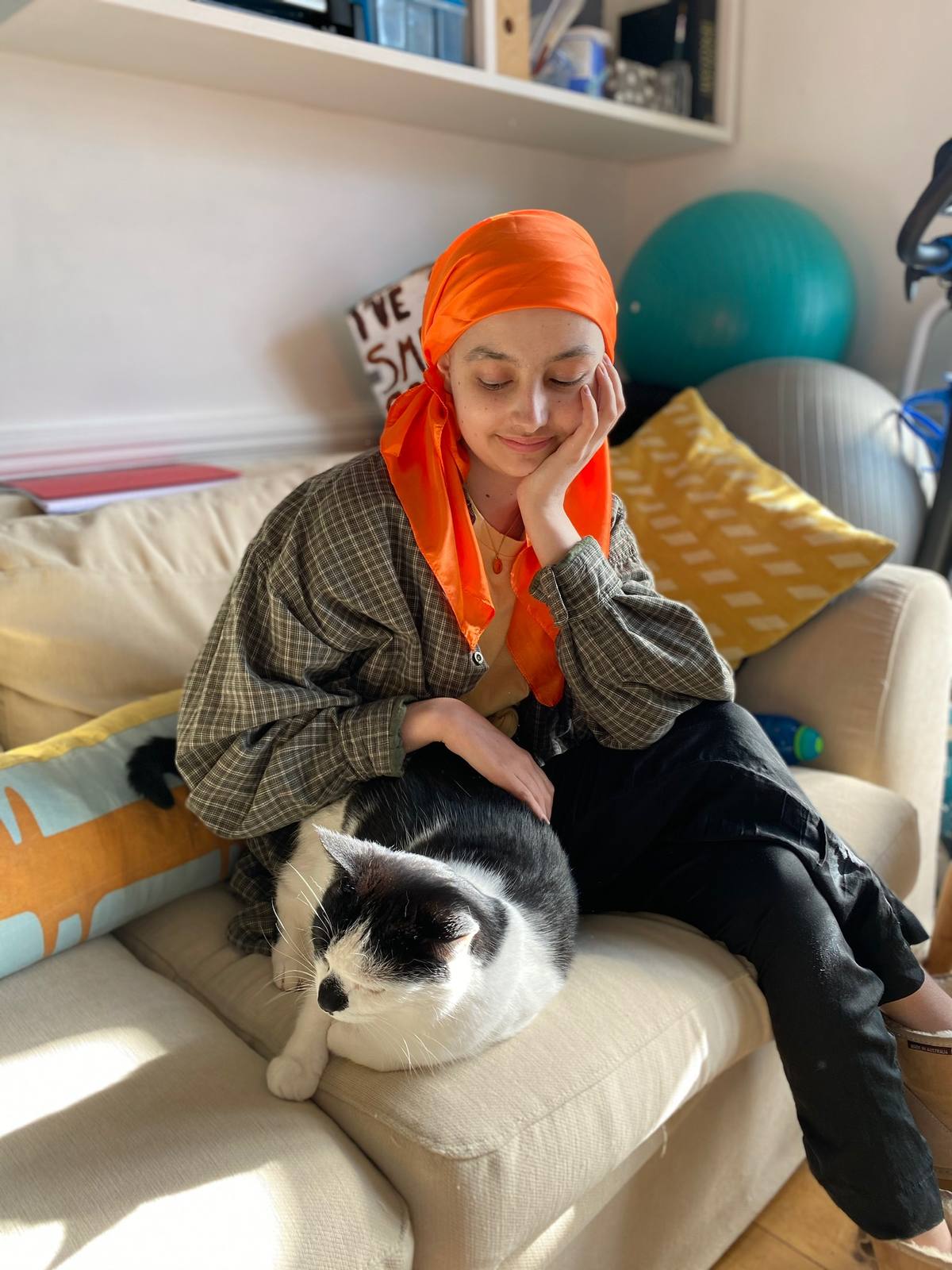
The family and friends of an 18-year-old girl who died of a rare and aggressive blood cancer are hoping to make history by becoming the largest group to visit all 272 London Underground stations in a single day.
The challenge will raise money for research into cancers affecting children and young people, with the aim of helping future families facing blood cancer access better treatments and achieve better outcomes.
Ruby Fuller was 17 when she was diagnosed with T-cell acute lymphoblastic lymphoma in July 2019. The disease later developed into leukaemia. She died in May 2020, after spending more than 200 nights in hospital and battling the devastating side effects of her treatment.
Her mother, Emma Jones, 56, from Crystal Palace, has organised the challenge to mark what would have been Ruby’s 25th birthday in October.
The event will bring together 24 of Ruby’s family and friends to remember and celebrate her through something she loved: being a “proper Londoner” who was fascinated by the Underground.
On the inspiration behind it, Emma explained: “This challenge feels so fitting for Ruby, who wanted to study geography at university and loved maps, planning routes and working with statistics.
“She was a Londoner, born and bred, and loved the Underground, often working out the best routes and dreaming of one day working for Transport for London.
“Not only will we all need to be super fit to get across the area, but Ruby would have found the challenge hilarious and loved the mental puzzle of navigating unexpected delays, recalculating routes and finding new ways to reach our final destination.”
The group will take on the Tube Challenge on Friday 30 October, aiming to visit every station on the network in a single day. They believe that if more than eight members of the group complete the challenge, they will set a record for the largest group to do so.
The team plans to begin at 5:22am at Amersham, with the fastest participants hoping to finish by midnight at Heathrow Terminal 5. Others expect to finish at about 1am, after more than 18 hours on the move.
The challenge will take serious logic and endurance - over the course of the day, they expect to cover about 300 miles across London, with participants running or walking up to 15 miles. At least 10km of the journey will be above ground.
There will be little time for conventional meals or rest breaks, with participants planning to eat while travelling and schedule toilet stops carefully.
But for the family and friends taking part, the challenge is intended to be more than a test of endurance - it is a way to celebrate Ruby’s life, bring people together in her memory and raise money for research that could help other young people diagnosed with cancer.
A gruelling battle with rare T-cell leukaemia
Ruby was a happy, healthy 17-year-old in the middle of her A-levels when she suddenly became unwell in June 2019, starting with a sore shoulder and tiredness. Initially misdiagnosed over roughly six weeks, there were eight doctor appointments before diagnosis; early explanations included allergies, school stress and even carrying a heavy bag.
Her worsening symptoms eventually led to the discovery of a large tumour caused by a rare and aggressive blood cancer, T-cell acute lymphoblastic lymphoma.
Ruby endured 10 months of gruelling treatment, including intensive chemotherapy, radiotherapy and a stem cell transplant. The side effects were brutal: she lost a significant amount of weight, developed peripheral neuropathy that left her unable to walk more than a few steps, experienced steroid-induced psychosis and paralysis, and was placed in an induced coma. Throughout her treatment, she also battled sepsis twice and a fungal lung infection, alongside other serious infections and a collapsed lung, requiring multiple transfers to intensive care.
The NHS left no stone unturned in trying to save her, but ultimately her cancer proved to be unresponsive to all known treatments, and she died, at the height of the COVID-19 lockdown, of T-cell acute lymphoblastic leukaemia, T-ALL.
T-cell acute lymphoblastic leukaemia (T-ALL) affects around 200 people per year in the UK, with the vast majority being children and young adults.
Treatment includes steroids and chemotherapy, sometimes followed by a stem cell transplantation. These treatments are so toxic that some patients can’t tolerate them and can result in serious long-term side effects.
They also don’t work for one in five children and around 50% of adult patients - and the cancer can come back after initially successful treatment. When this happens, treatment options are extremely limited.
Raising funds for kinder and more effective treatments
Emma said: “Treatments are toxic and can result in serious long-term side effects. Young people desperately need new medicines that are more effective and less toxic. Ruby asked us to raise fund for research in her memory.
“After she died, Ruby's consultant told us that they just haven't yet figured out how to successfully treat T-cell blood cancers when they relapse, but how she fervently hoped that they would very soon. The only way they will do that is with funding.
“That’s why we’ve set up a fund with CCLG: The Children & Young People's Cancer Association in Ruby’s memory, to support research into T-cell lymphoma and leukaemia, hoping to improve outcomes for others in the future.
“We want to improve the chances of others who are unlucky enough to be diagnosed with this in future.
“Ruby was kind and smart and the life and soul of the party. She had a fantastic sense of humour which kept us all going through even the darkest times. And she was so brave. She wasn't scared of dying, but she feared how others would be affected by her death.
“Ruby believed that 'being kind' is the most important thing in the world: to people, animals, and the planet. Knowing she didn’t have long to live, she asked to be remembered by the motto ‘Live Kindly, Live Loudly’.”
About 2,300 teenagers and young adults are diagnosed with cancer each year in the UK. Cancer is the most common cause of death from disease in young people. Around 250 teenagers and young adults die from cancer each year in the UK.
Ashley Ball-Gamble, CEO of CCLG: The Children & Young People’s Cancer Association, said: “We’d like to say a huge thank you to Emma, Dylan and Tabitha for the incredible efforts in memory of Ruby.
“The funds that they, and their supporters, have raised, and continue to raise, are helping us to fund and lead world-class research that will deliver real impact for children and young people diagnosed with blood cancer in the future.
“We wish everyone the best of luck for the Tube Challenge – I’m sure it will be eventful, but also a lot of fun, and most importantly, a touching way to remember Ruby.”
Fundraising has given Ruby's family and friends something positive to pour their grief into, and the money raised to-date has supported five different research projects, including vital research into childhood blood cancers, advancing understanding of their causes, identifying new cancer subtypes, improving outcomes for children and young people, and exploring new treatments for hard-to-treat and incurable leukaemia’s.
The Tube Challenge will raise money for Ruby's 'Live Kindly, Live Loudly' Fund, a Special Named Fund at CCLG: The Children & Young People's Cancer Association, raising funds for research into T-cell lymphoma and leukaemia. To donate, visit: JustGiving.
Contributor at The London News