Could an eye health check help prevent falls amongst older people?
Research from London specialist eye hospital group Optegra shows that older people with cataracts are two to three times more likely to experience a fall , and highlighting the important role that good vision can play in maintaining mobility and independence in later life.
20 October 2026 · 2 min read
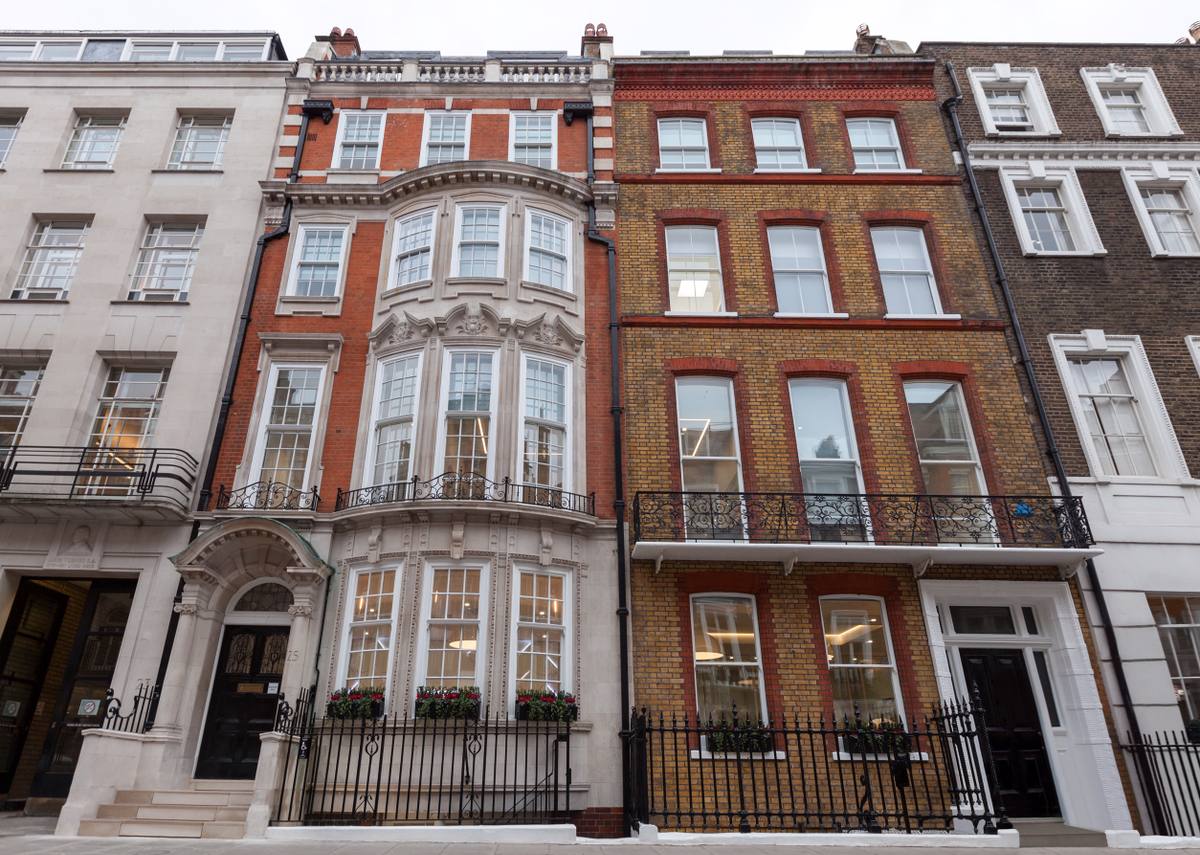
Optegra, which has three clinics and hospitals in London (Harley Street Medical District, Colindale and Hounslow), is encouraging older people to have regular eye health checks and seek advice about changes to their vision that could affect their balance, confidence and ability to move around safely.
Research has also found that first-eye cataract surgery was associated with a 34 per cent reduction in the rate of falls[1], underlining the potential benefits of identifying and treating vision problems.
With almost one in five people in England now aged over 65[2], falls among older people remain a significant public health concern. The NHS spends around £2.3 billion each year treating fall-related injuries in this age group[3].
Poor vision can make it harder to spot hazards, judge steps and distances, and navigate uneven surfaces. The consequences of a fall can extend beyond the initial injury, with a loss of confidence sometimes leading people to go out less, become more reliant on others and lose some of their independence.
Optegra is urging older people not to dismiss changes in their eyesight as an inevitable part of getting older, but to consider whether deteriorating vision could be affecting their everyday lives.
The impact of cataracts on mobility and balance
Mr Alastair Stuart, Optegra UK Medical Officer and consultant ophthalmic surgeon, said: ‘It’s very easy to put changes in your eyesight down to simply getting older, particularly when they happen gradually. But our vision plays such an important role in how confidently and safely we move around every day and with medical advances, many of these conditions can be treated.
‘An eye health check can identify changes in your vision and signs of age-related eye conditions, giving you the opportunity to understand what’s happening with your eyes and take action if needed.
‘For people living with poor vision, for example because of cataracts, you don’t have to wait until they are significantly affecting your life before starting a conversation about treatment.
‘Cataracts can begin to affect the things that matter to us, from driving, reading and exercising to enjoying hobbies, socialising and simply feeling confident getting out and about. Anyone noticing changes to their vision should speak to their optometrist or an eye specialist about their options.’
Optegra is encouraging older people to think beyond the question ‘how well can I see?’ and consider whether changes in their eyesight could be affecting their confidence, mobility and independence too. When it comes to staying on your feet as you age, your eyes may deserve a closer look.
Optegra Eye Health Care is a specialist provider of ophthalmic services. Established in 2007, with its first hospital opening in 2008, it has completed over one million eye procedures from its 74 eye hospitals across the UK, Czech Republic, Poland, Slovakia and Holland.
Contributor at The London News