Attune Launches New UK Platform That Matches People With Therapists Based on Relational Fit
Attune, a new UK mental health-tech platform, launches today to help the 14 million Brits living with poor mental health find the right therapist, faster. Instead of endless directories and years of trial and error, Attune matches adults with registered therapists on relational fit: how you think, relate and communicate. A free five-minute Relational Fit Assessment ranks therapists by fit, with clear pricing and unlimited free 15-minute intro calls before anything is booked. Every therapist is checked against their professional register, insured and interviewed by a clinician. Founded by BACP-accredited psychotherapist Daniel Avital and solutions engineer Dan Burke, Attune launches with 200+ therapists across the UK, for individuals and couples.
23 November 2026 · 5 min read
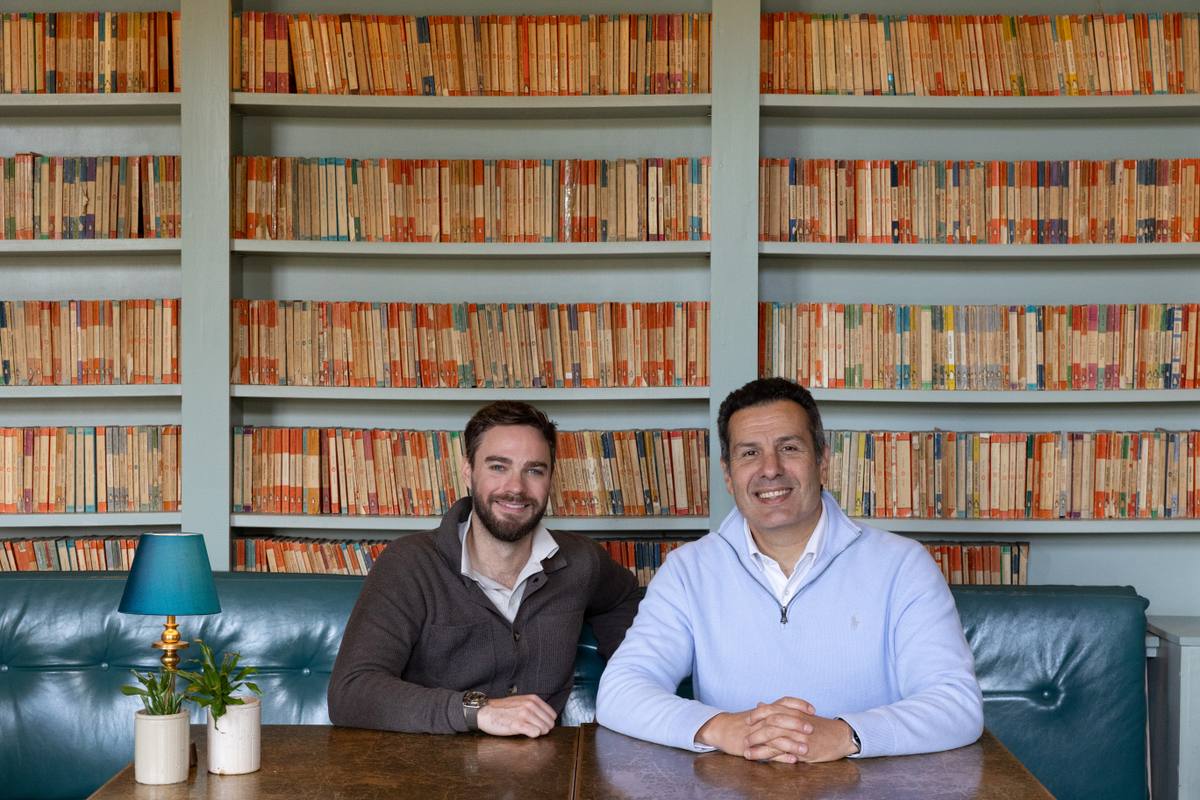
Attune, the new UK platform that matches people with therapists based on relational fit, launches today with a simple belief at its core: therapy works best when the relationship is right. Described by its founders as a dating app for therapy, Attune matches individuals and couples with therapists based on how they think, relate and communicate, rather than leaving people to work it out through costly trial and error.
Daniel Avital, Co-Founder and CEO of Attune, said: "No one should give up on therapy because they started with the wrong person. I spent seven years looking for the therapist who was right for me, and I've sat across from countless clients who had given up before they found theirs - including my own mum, in her eighties, grieving the people closest to her and unable to find someone who understood her. The relationship is the therapy. Attune exists so that the first therapist someone meets has a real chance of being the right one, and so therapists can find the clients they're genuinely best placed to help."
Dan Burke, Co-Founder and CTO of Attune, said: "I'm neurodivergent, and it took me three years to find a therapist who understood how my mind works - I worked through therapists who left me feeling unheard, insurer lists that went nowhere, and telling my story again and again. That friction is where so many people give up. We built Attune so no one else has to fight that hard just to get help. Booking, messaging and payments come together in one place, built to be as private as the relationship it’s protecting.”
Britain doesn't lack therapists. It has a matchmaking problem. One in five adults in England has a common mental health condition - 9.4 million people - and one in four UK adults (14 million) report poor mental health or distress, up from 17% in 2009. Yet 52% of adults with symptoms get no treatment at all, and of those referred to NHS Talking Therapies, 63% don't complete a course and only 17% reliably recover. NHS recovery rates in August 2026 stood at 47.5%, still below the NHS's own 50% target. People aren't failing therapy - they're being offered what's available, not what fits them.
The problem lands differently across different groups. Women are far more likely than men to have a common mental health condition (24% vs 15%), yet 84% say there have been times healthcare professionals didn't listen to them. Seven in ten men say they would only consider therapy at breaking point, and of those who do go, 71% wish they'd gone sooner. For LGBTQ+ people, the biggest barrier is the worry that a therapist won't understand their life, with more than a quarter saying there are issues they don't feel able to raise with their therapist. People from ethnic minority backgrounds wait longer and get worse outcomes on the NHS - gaps the NHS Race and Health Observatory has found can disappear when people get culturally sensitive therapy.
The research is clear that therapy works best when the relationship does. The largest meta-analysis on the subject, covering 295 studies and more than 30,000 patients, found that the client-therapist relationship accounts for around 8% of the difference in outcomes, compared with under 1% for the type of therapy used, by most estimates. People who get the kind of therapy they want have nearly twice the odds of staying in it.
Attune was co-founded by Daniel Avital, a BACP-accredited psychotherapist with over a decade in private practice, and Dan Burke, a solutions engineer who previously worked at Amazon Web Services. It took Daniel seven years to find the right therapist for himself. It took Dan three. It took them one year, working together, to build Attune. The two met five years ago when their dogs struck up a friendship in a park in Richmond, and dog walks turned into conversations about a problem they realised they shared with almost everyone they knew.
At the centre of the platform is Attune's one-of-a-kind Relational Fit Index, taken by therapists and clients alike, which measures compatibility across nine dimensions of the therapeutic relationship - including connection, warmth, directness, depth, transparency, presence, guidance, mutuality, and how ruptures and repairs are handled. Each dimension is grounded in decades of psychological research. The Index takes around five minutes, with no account or card required. People then see their matches, based on their unique relational fit profile, and can meet as many as they like on free 15-minute introductory calls before booking anything.
The platform’s proprietary matching algorithm was designed and built by co-founder Dan Burke to pair people with therapists on relational fit, rather than availability or location alone. Messages are encrypted in transit and at rest, data is held in the UK and EEA, and the platform is registered with the Information Commissioner's Office under UK GDPR. Clients pay the therapist’s own fee with no markup; Attune takes a flat 15% from the therapist, not the client.
The platform launches with a network of more than 200 registered and accredited therapists, each personally vetted by the founders and the Practitioner Community Lead, Shreya Manoj, herself a therapist. Every therapist on Attune is registered with the HCPC or a register accredited by the Professional Standards Authority, such as BACP, UKCP and NCPS, holds current professional indemnity insurance, and is interviewed by a clinician before going live. Attune’s therapists practise across the UK, from London, Manchester and the Midlands to Leeds, Newcastle, Bristol, Cardiff, Norwich, Glasgow and Belfast. Attune's mission is to help 100,000 people in Britain find the right therapist by 2030.
If someone has met their matches and still hasn't found their fit, a member of the Attune team will speak with them personally to hear what's going on and help them find the right therapist on the platform - a promise the founders say is central to why Attune exists.
Find out more at Attune-therapeutics.uk.
Contributor at The London News