Kate Davey Trained 25 Hours a Week Until An Injury Changed Her Life
For years, Kate Davey trained 25 hours a week as a professional athlete until an injury changed everything.
14 October 2026 · 4 min read
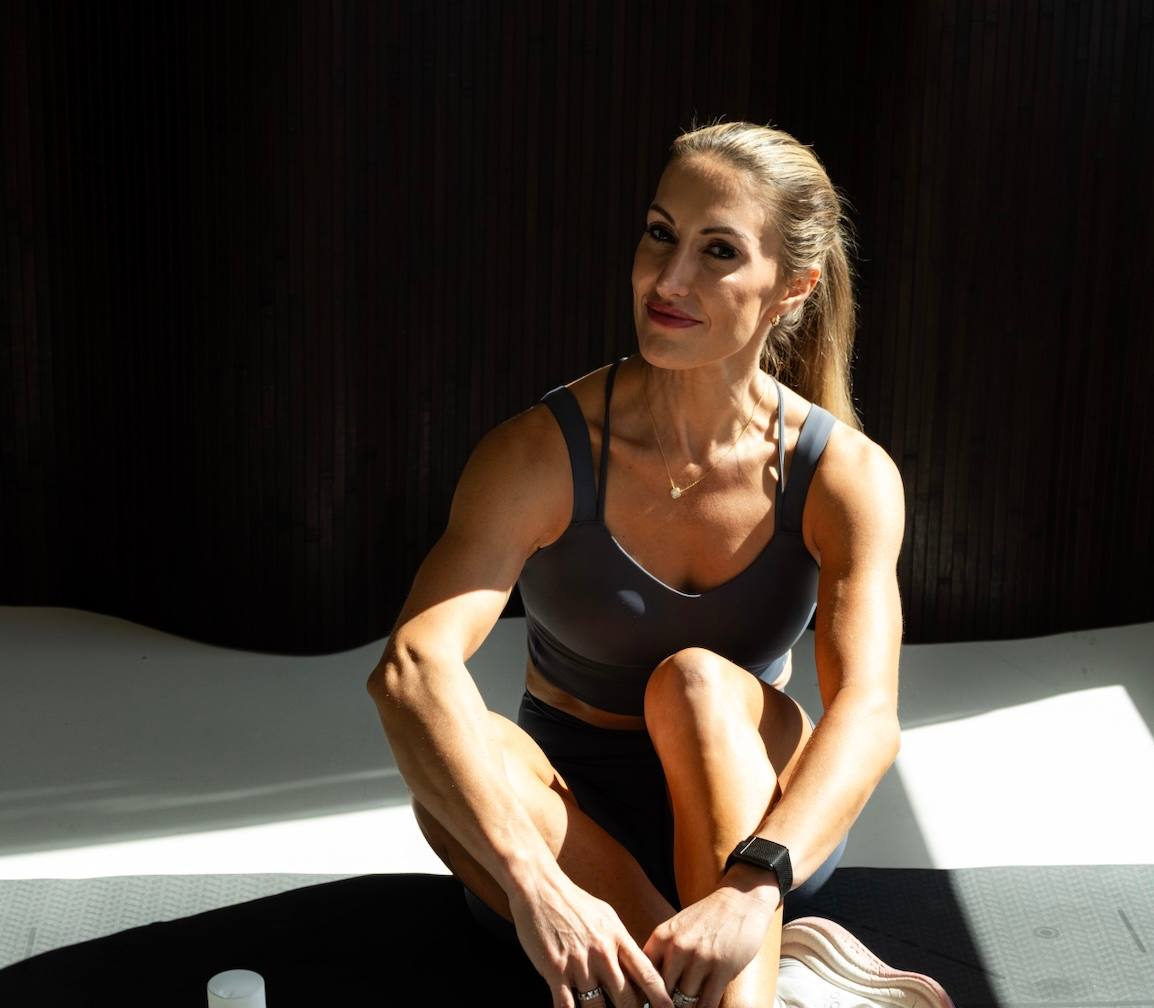
For years, I thought the answer was to do more: more training, more sessions, more intensity, more work. At my peak, I was training 20 to 25 hours a week, often with double training days, and I was very good at convincing myself that if I could fit another session in, I should.
The problem is that there comes a point where more work stops making you better. About three years ago, I was doing far too much of my training in Zones 4 and 5 and not enough lower-intensity work. I was exhausted, my performance had stalled, and I'd turn up to a session thinking, "I don't know if I can do this again." I'd do it anyway.
That was one of the first lessons I had to learn about training smart: doing more isn't always better. Training smart means you evolve as an athlete, and you make a lot of mistakes, but that's how you learn. You're forever learning what works for your body. What worked five years ago might not work now, and what works for someone else might not work for you.

From Over-Training to Overcoming Knee Injury
My biggest weakness has always been knowing when to stop and recover. Mentally, your brain is saying, "Why are we stopping? You shouldn't be stopping." When you're competitive, rest can feel like you're losing ground.
I know that feeling well. I used to get up at 4 or 4.30 am to train or work before my children woke up, then train again later, get to the school gates, take the children to their clubs, sort dinner, recover, stretch, and go to bed ready to start again. The training itself was only part of it. Sleep, nutrition, rehab, recovery, and every decision around the training were part of the job too.
Then, in July 2025, my knee injury took all of that away.
I remember sitting on the floor after surgery, trying to move my leg. I was sweating with the effort, but barely anything was happening. I kept trying, and trying, and then I burst into tears.
For years, I'd known exactly what I was working towards. There was always another race, another session, another target. Suddenly I couldn't train. I couldn't just push through it. I couldn't decide that I'd work harder tomorrow. My body had made the decision for me.
What I've learnt is that recovery isn't about getting back to exactly who you were before. Every version of you is different. Recovery means creating the next version of yourself.

Hard-Learnt Lessons on Fuelling, Rest and Longevity
So, if I could go back and give my past self some advice, it would be this.
First, stop assuming that every bad session means you need to work harder. Sometimes you need to look at the whole picture. If your performance has plateaued, you're constantly tired, or your sleep is poor, adding more load isn't necessarily the answer. Look at your training distribution, your fuelling, your sleep, your stress, and whether you're actually allowing yourself to adapt.
Second, don't treat recovery as something you earn from training. Recovery is part of the training.
I used to see a rest day as doing nothing. Now I see it very differently. An easy swim, cycle, walk, mobility session, some Zone 1 or Zone 2 work, good food, hydration, and sleep can all be productive. I don't slash my food because I'm not training hard that day either. Your muscles still need fuel to recover.
Third, pay attention to what actually makes a difference to you.
I've got foods that I know sit well with my body and give me what I need, so I don't see the point in constantly changing things for the sake of it. I've learnt what works for me, and I stick with it: oats, Greek yoghurt, fruit, rice cakes with jam, dates, chicken, rice and vegetables, wraps, smoked salmon, and fish with sweet potato and salad.
Wellness-wise, I've been taking a daily cellular shot called NEU+ for several months, including through the period when I was recovering from my injury, and it became part of that approach. Much like everything else in my life, I need the things I use to fit around my schedule rather than create another thing to think about. I noticed a difference in my energy and clarity, and I also saw changes in my own WHOOP recovery data: my recovery rate improved by around 13% after roughly 10 weeks of consistent use.
Recovery shouldn't become another performance metric that you're failing at because you've created a routine you can't maintain.
And finally, learn when to stop.
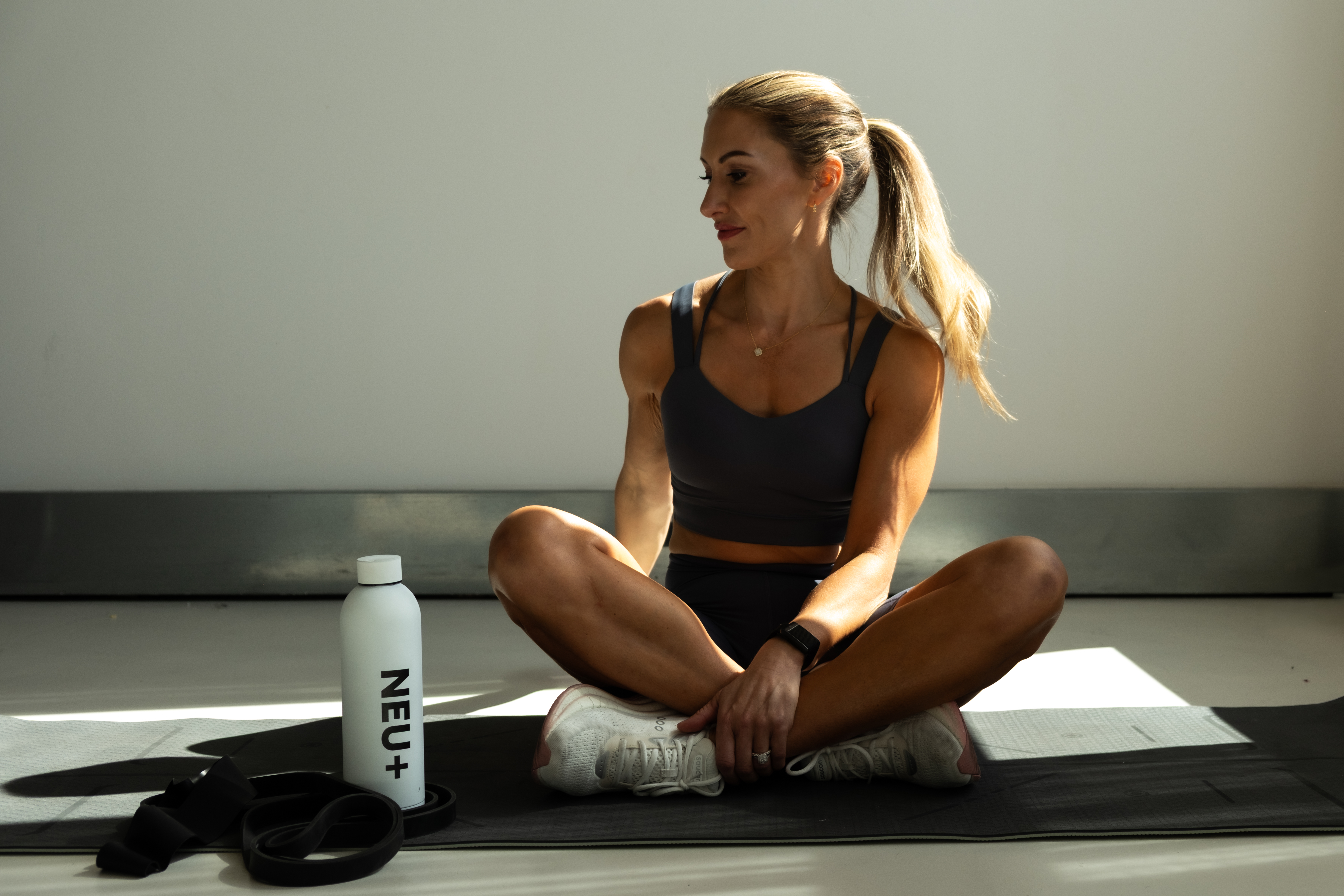
That's still something I'm working on. But after injury, I've realised that knowing when to ease off isn't giving up. Sometimes you have to be just as strong to say, "Do you know what?" and take a step back.
I still want to be strong. I still want to be fit. I still enjoy competing and seeing what I can do. But my competition is different now. It's me against me: can I be stronger, faster, fitter than I was last time? And I want that to still be possible years from now.
I want to grow old and still be able to do things. I want to travel, play golf, have adventures, and run around with my future grandchildren. I don't want to mess myself up trying to squeeze every last bit of performance out of myself now.
The goal isn't to train less. It's to train in a way that allows you to keep training. That, for me, is what recovery has finally taught me.
Contributor at The London News