Side sellers: tax-free trading allowance set to triple
From April 2027 the trading allowance is set to rise from £1,000 to £3,000, as is the point at which you must tell HMRC. Who gains, and what stays at £1,000.

8 November 2026 · 3 min read
From 6 April 2027, the first £3,000 a year of income from selling, making or doing small jobs on the side will be tax-free, up from £1,000. The Budget on 28 October proposed tripling the trading allowance and raising the point at which you must report trading income through Self Assessment to the same £3,000. It is due in the Finance Bill 2026-27, so it is not yet law, and nothing changes for this tax year, which ends on 5 April 2027.
How the allowance works
The test is what you take in, before any costs. If your gross trading income for the year is within the allowance, you pay no tax on it and usually do not need to report it. If it is above, you can deduct the allowance instead of your actual expenses, whichever leaves you better off. HMRC's guidance on the allowances sets out the detail, including the exceptions: it does not apply to trading income from a partnership, for example.
Who gains
Two groups. Sellers whose takings sit between £1,000 and £3,000 will no longer need to register for Self Assessment for that income, unless they file a return for another reason. And sellers with low costs get a bigger flat deduction.
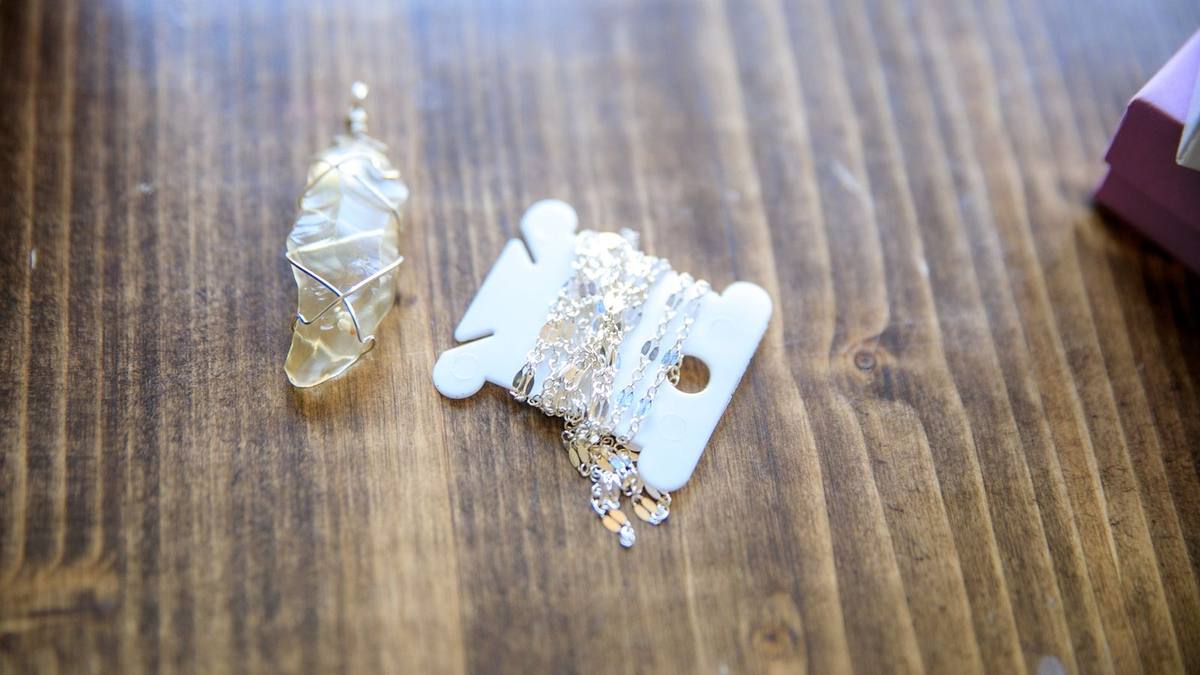
Illustration, not a real client. Leah makes jewellery in Stoke Newington alongside a full-time job that already uses her personal allowance, and she is a basic rate taxpayer. Her Etsy shop takes £4,500 a year, and her real costs are £1,200.
2026 to 2027: her costs beat the £1,000 allowance, so she deducts the £1,200. Profit £3,300, tax at 20 per cent: £660.
2027 to 2028, if the change passes: she deducts the £3,000 allowance instead. Profit £1,500, tax: £300.
Same shop and same sales, but £360 less tax a year. The Treasury's costing puts the price of the change at £225 million in 2028 to 2029, and it expects some sellers who claim their real costs today to switch to the flat allowance, as Leah does.
If you take the flat £3,000, you cannot also deduct your real costs, so compare the two each year. You still need a record of your takings. A seller whose allowable costs run above £3,000 should keep claiming them.
What stays at £1,000
The Budget left the separate £1,000 property allowance alone. If you have a small amount of income from land or property, the first £1,000 is still the line before you need to tell HMRC. You cannot use it on income from letting a room in your own home under the Rent a Room Scheme, which has its own rules.
What to do now
For 2026 to 2027 the line is still £1,000, which is what our side hustle tax checker uses. If you went over it this year and are not already registered, you still need to register for Self Assessment by 5 October 2027. From 6 April 2027, keep a running total of what you take in. If it stays at £3,000 or less and nothing else puts you in Self Assessment, that year's trading income may not need reporting at all.
About the author
Harvey Dhillon is Founder and CEO of Zmartly, an accountancy firm for ecommerce sellers. He grew up in West London and began his career in finance at Barclays, in investment banking and wealth management, before going full-time on Zmartly in 2020.
Featured photo by RDNE Stock project on Pexels.
Contributor at The London News