London landlords: tax on rent set to rise four points
Landlords in England are set to pay 24, 44 or 49 per cent on rental profit from April 2027, four points above today. An Ealing example, and when it is due.

7 November 2026 · 3 min read
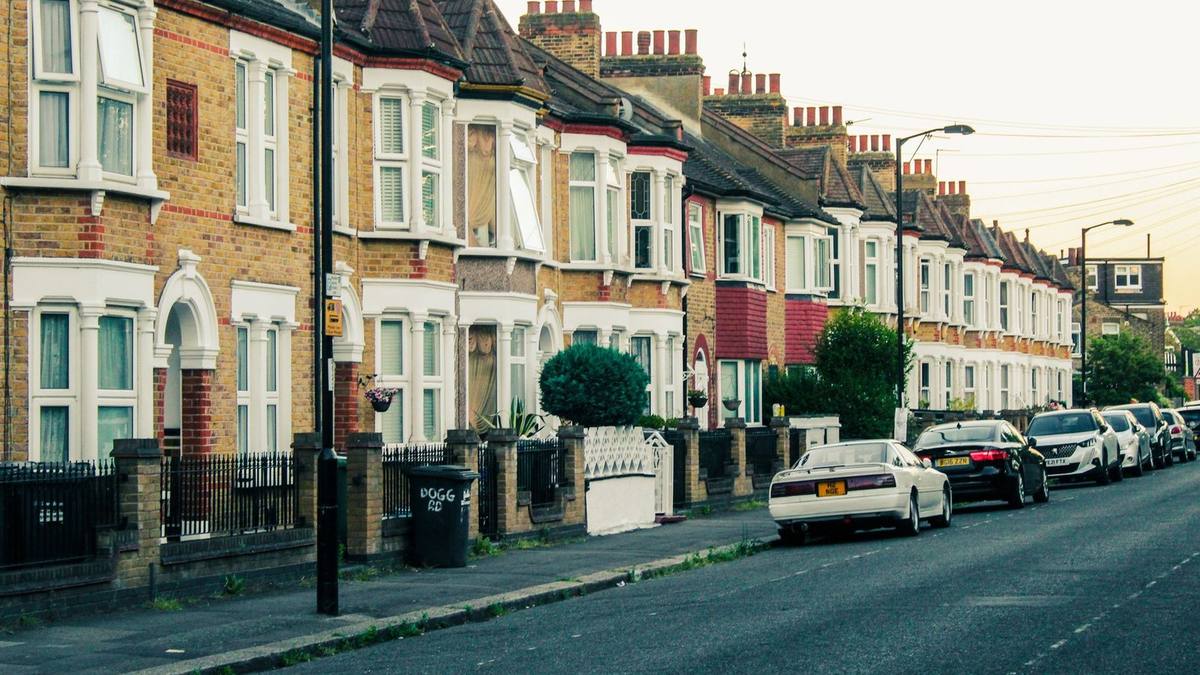
Landlords in England who let property in their own name are set to pay income tax on rental profit at 24, 44 and 49 per cent from 6 April 2027. Today rent is taxed at the ordinary 20, 40 and 45 per cent. Two of those four points are already law. The Budget on 28 October proposed the other two.
Two points in law, two more proposed
The Finance Act 2026 created separate rates for property income and set them at 22, 42 and 47 per cent for 2027 to 2028. The Budget proposes raising them to 24, 44 and 49 per cent through the Finance Bill 2026-27, which has not yet been published or passed. The Budget's table of rates and allowances shows the new figures next to this year's.
The rates cover England, Wales and Northern Ireland, and the Scottish and Welsh governments now have powers to set property rates of their own. Landlords who own through a limited company pay Corporation Tax on their profits and are not touched by this change.
The mortgage credit rises too
Since the Section 24 rules, mortgage interest on a residential let no longer comes off your rent. Instead you get a tax credit at the basic rate on it, subject to some limits. The Treasury's costing says that credit will stay aligned to the property basic rate, so it would rise to 24 per cent as well.
That gives a tidy rule. Where all your rental profit falls in one tax band and your mortgage interest is less than that profit, each extra point costs one per cent of your profit after mortgage interest. For a higher rate landlord, the 20-point gap between the tax on profit and the credit on interest stays exactly where it is.
What it costs a landlord in Ealing
Illustration, not a real client. Daniel lets a flat in Ealing for £24,000 a year. He pays £3,000 in agent's fees and other costs, and £9,000 in mortgage interest. His salary already uses his basic rate band, so all his rental profit is taxed at the higher rate.
Rental profit before interest: £21,000.
2026 to 2027: 40 per cent is £8,400, less a 20 per cent credit of £1,800, so £6,600.
2027 to 2028 under the Finance Act 2026: 42 per cent is £8,820, less £1,980, so £6,840.
2027 to 2028 if the Budget change passes: 44 per cent is £9,240, less £2,160, so £7,080.
That is £480 a year more than today, half of it from this Budget. It is also four per cent of the £12,000 he keeps after mortgage interest, which is the quickest way to work out your own figure.
When the extra tax arrives
If you make payments on account, those for 2027 to 2028 are each half of your 2026 to 2027 bill, worked out at today's rates. The rest arrives with the balancing payment on 31 January 2029, along with a first payment on account for the following year based on the higher figure. Put the extra aside from April 2027 and that January holds no surprise.
What to do now
Take this year's figures and add four per cent of your profit after interest. Our Section 24 calculator gives today's position to start from, and how we work with landlords covers the rest of the year's tax. The date to watch is the publication of the Finance Bill 2026-27, which would put the 24, 44 and 49 per cent rates into law once Parliament passes it.
About the author
Harvey Dhillon is Founder and CEO of Zmartly, an accountancy firm for small businesses. He grew up in West London and began his career in finance at Barclays, in investment banking and wealth management, before going full-time on Zmartly in 2020.
Featured photo by Daniel Sikpi on Pexels.
Contributor at The London News