London hosts: a lodger can pay you £7,500 a year tax free
A lodger in your own home can pay you £7,500 a year tax free under the Rent a Room Scheme. That is £625 a month. What London hosts do when they go over.

20 October 2026 · 4 min read
If you let a furnished room in your own home, a lodger can pay you up to £7,500 a year without you paying Income Tax on it. That is £625 a month. The limit halves to £3,750 if someone else, such as a joint owner, also receives letting income from the same home.
Under the limit there is nothing to do. The relief is automatic and the lodger alone does not mean a tax return. Over it, a choice you make on your return decides how much tax you pay.
The £7,500 counts what the lodger pays
The limit is tested on gross receipts, not profit. HMRC's Rent a Room helpsheet defines them as the rent before expenses plus anything the lodger pays for meals, cleaning or laundry. A room let "bills included" counts in full.
So the test for a London host is simple arithmetic: does the lodger pay you more than £625 a month, all in?
The scheme works if:
the room is in your only or main home, whether you own it or rent it;
it is furnished;
you live there while it is let.
It does not cover a home converted into separate flats, a room let while you live abroad, or space let as an office. It also cannot be combined with the separate £1,000 property allowance on the same income.
Over the line: two ways to work out the tax
Go over your limit and you must file a tax return. You then pick one of two methods, and you can change from year to year.
Method A: tax on your actual profit, rent less allowable expenses. HMRC uses this unless you tell it otherwise.
Method B: tax on everything above your limit (£7,500, or £3,750 if shared), with no expenses deducted.
Illustration, not a real client. Amira, a teacher, owns a two-bedroom flat in Walthamstow and pays basic rate tax on her salary. Her lodger pays £800 a month including bills, £9,600 over the 2026/27 tax year. Her extra costs from the letting, mostly a share of the bills, come to £1,500.
Method A: £9,600 less £1,500 leaves £8,100 taxable, which is £1,620 at 20 per cent.
Method B: £9,600 less £7,500 leaves £2,100 taxable, which is £420 at 20 per cent.
Method B saves her £1,200. It tends to win when costs are low, which they usually are for a room in a home you already run. Method A is the one to check if your costs are unusually high or you made a loss. A higher rate taxpayer pays 40 per cent on the same slice, so check which Income Tax rate applies to you before comparing.
Registering and filing
If your receipts go over the limit and you do not already file a return, register for Self Assessment by 5 October after the end of that tax year. File online and pay by the following 31 January.
The limit is not cut for a part year. A lodger who moves in this autumn at £800 a month pays you about £4,800 before 5 April 2027, under £7,500, so the lodger alone does not put 2026/27 into Self Assessment. The first full year is where the line is crossed. There is more on how the Rent a Room Scheme works in 2026/27, including when to elect for Method B.
Three things that are not Income Tax
Council Tax. If you lived alone and had the single person discount, a lodger can end it, and you must tell your council.
Right to rent. In England you must check that a lodger can legally rent, before the letting starts.
Selling later. A lodger who shares your living space does not count as letting out part of your home, so one lodger does not by itself cost you the relief that keeps a main home free of Capital Gains Tax. Taking in more than one at a time can change that.
What to do next
Add up what your lodger pays in the tax year, rent plus bills and extras. Under £7,500, or £3,750 if shared, keep the note and nothing more is needed.
If you are heading over, keep a simple record of costs from now, so you can compare the two methods properly.
If this is your first year over the line, put two dates in the diary: 5 October to register, 31 January to file and pay.
About the author
Harvey Dhillon is the founder and CEO of Zmartly, a UK accountancy firm for small businesses. He grew up in West London and worked in finance roles in investment banking, wealth management and private equity, starting at Barclays, before leaving in 2020 to build the firm. He is a Chartered Management Accountant (ACMA, CGMA).
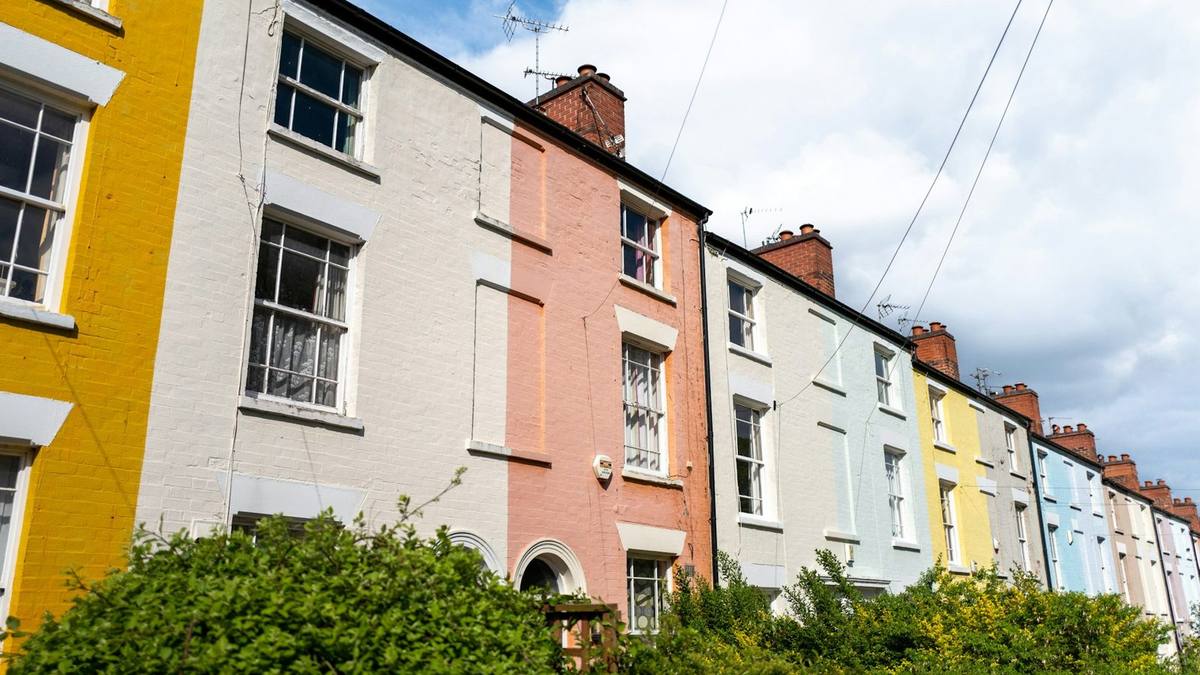
Featured photo by Benjamin Cheng on Unsplash.
Contributor at The London News