London homes worth £2m face a council tax surcharge in 2028
From April 2028, owners of homes in England worth £2 million or more are set to pay a yearly surcharge of £2,500 to £7,500. Landlords pay it, not their tenants.

11 November 2026 · 3 min read
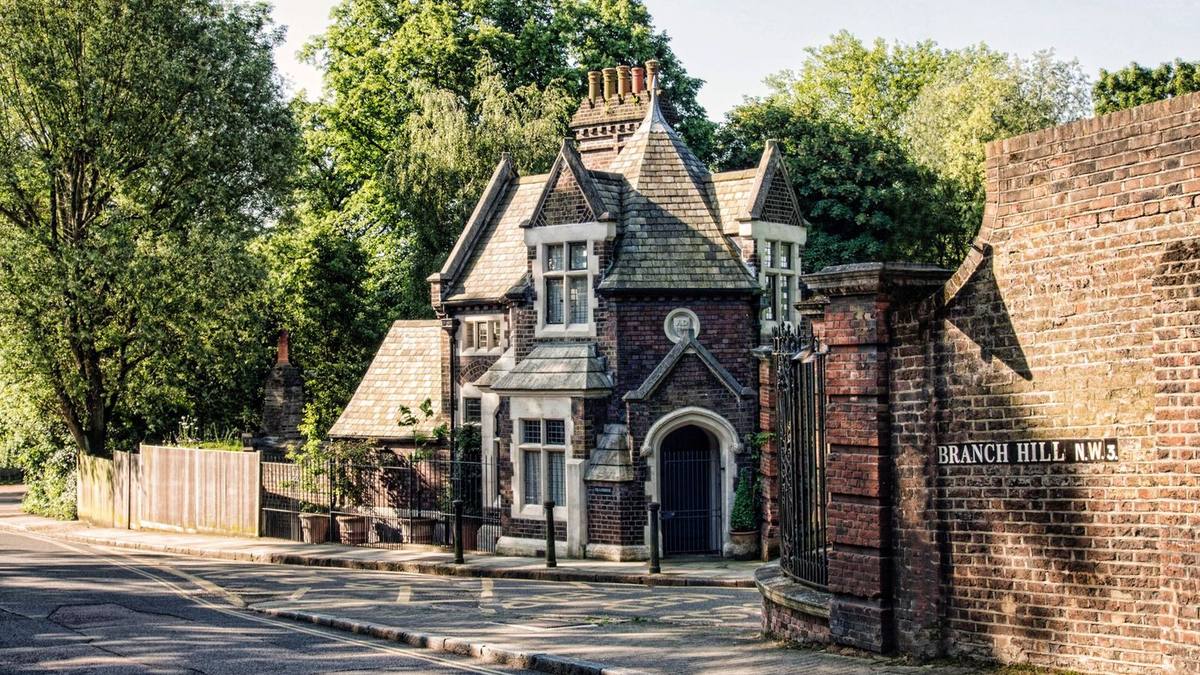
From 1 April 2028, owners of homes in England valued at £2 million or more will pay a new yearly charge on top of council tax, from £2,500 to £7,500 depending on the value. It falls on the owner, not the occupier, so a landlord pays it on a let home. The surcharge was announced at Budget 2025, and the legislation for it is due in the Finance Bill 2026-27, so it is not yet law.
The four bands
£2 million to £2.5 million: £2,500 a year.
£2.5 million to £3.5 million: £3,500 a year.
£3.5 million to £5 million: £5,000 a year.
£5 million and above: £7,500 a year.
The Valuation Office will run a targeted valuation of homes that may be in scope and place each one in a band. Councils will collect the charge alongside council tax on behalf of central government. HMRC's note on the surcharge estimates that around 150,000 people would be liable, along with about 15,000 businesses and other organisations that own homes worth £2 million or more.
The note makes the case in London terms. A band H home in Mayfair worth £10 million pays around £2,100 a year in council tax. A band D home worth around £400,000 in Darlington or Blackpool pays £2,400 to £2,600.
What the Budget added
At the Budget on 28 October the government confirmed three more pieces. A deferral scheme will let owners who meet set criteria put off paying until the home changes hands, aimed at owners who may struggle to pay, such as those whose income has fallen. There will be discounts and exemptions. And there will be a 100 per cent premium on properties left empty and unoccupied for 12 months or more. The detail comes in secondary legislation during 2027.
A landlord in Hampstead
Illustration, not a real client. A landlord owns a house in Hampstead let to a family. If the Valuation Office places it at £2.6 million, it falls in the second band. From April 2028 the landlord pays £3,500 a year on top of everything else the house costs to own, while the tenants keep paying the ordinary council tax. Over the first five years that is £17,500, before any change to the bands or the charges.
For a landlord, that is a cost to put into the sums now, alongside the higher income tax on rent from April 2027. The Budget documents do not say whether the surcharge can be deducted from rental profits for income tax, so do not assume it can.
What to do now
Nothing is payable until April 2028, and the valuation exercise is still to come. If you own a home that could be near £2 million, watch for the Valuation Office exercise and the 2027 regulations, which will fill in who can defer and who is exempt. For the council tax rules that apply to landlords today, see our guide to when landlords pay council tax on an empty property.
About the author
Harvey Dhillon is Founder and CEO of Zmartly, an accountancy firm for small businesses. He grew up in West London and began his career in finance at Barclays, in investment banking and wealth management, before going full-time on Zmartly in 2020.
Featured photo by Brett Jordan on Pexels.
Contributor at The London News