Landlords: a new boiler is a repair, a better kitchen is not
Repairs come off this year's rental profit. Improvements wait for the sale. Where HMRC draws the line on boilers, windows, kitchens and furniture.

5 November 2026 · 3 min read
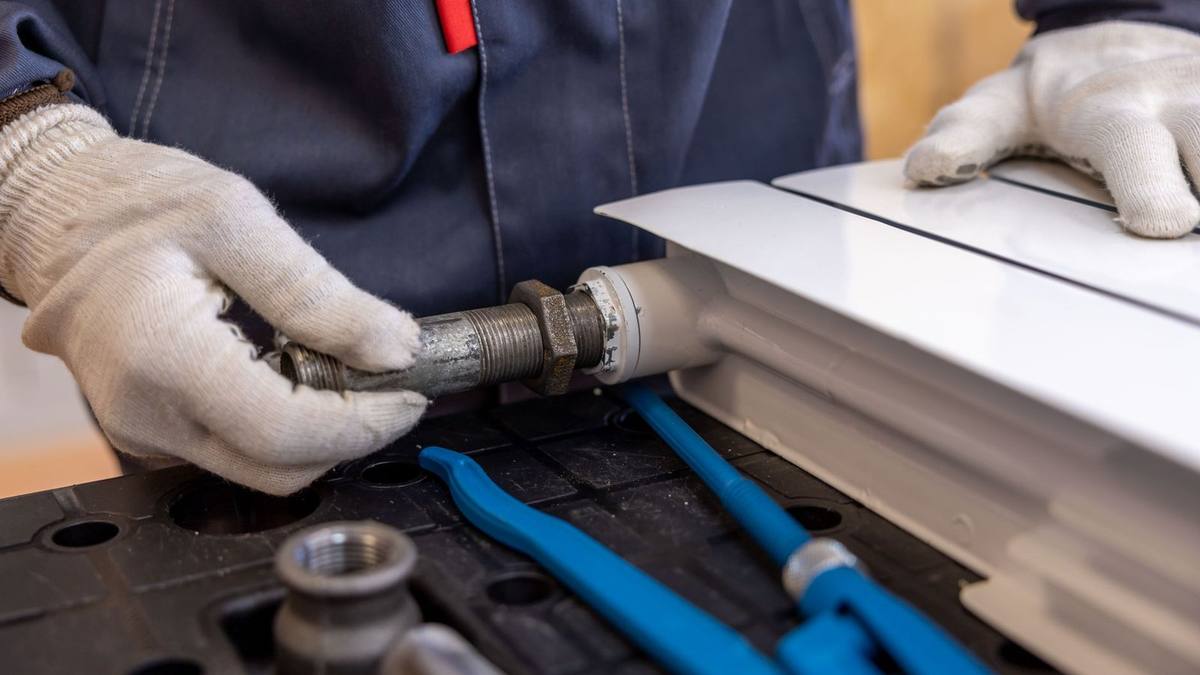
A landlord who replaces a broken-down boiler can deduct the whole cost from the year's rental profit. A landlord who fits a better kitchen than the one that was there cannot. HMRC's guidance draws the line between a repair and an improvement, and it falls in places people do not always expect.
Repairs restore
HMRC's guidance on working out rental income says a repair restores something to its original condition, sometimes by replacing parts of it. Its examples are replacing roof tiles blown off in a storm, replacing a broken-down boiler and redecorating between tenants.
A modern version of the same thing still counts. Replacing a part with its nearest modern equivalent is a repair if the improvement is incidental, and HMRC's own example is swapping a single-glazed window for a double-glazed one. A bath, washbasin or toilet replaced like for like is normally a repair too.
Improvements wait for the sale
Spending is capital if it adds something that was not there before, or alters, improves or upgrades what was. HMRC's examples:
adding an extension;
installing a security system where there was none;
replacing a kitchen with one of a higher specification.
Capital costs cannot be set against rent. They are not wasted, though. Keep the records, because they may reduce Capital Gains Tax when you sell.
The same applies to a flat bought cheaply because it was run down. Work to make it fit to let is likely to be capital, not repairs.
Furniture and appliances
Replacing a sofa, a fridge or the carpets is not a repair, but replacement of domestic items relief covers it for a let house or flat, furnished or not. Three limits apply:
it covers replacements, not the first time you furnish a property;
if the new item is better, such as a sofa bed in place of a sofa, you claim only what a like-for-like item would have cost, though a more energy-efficient fridge counts as a fair modern equivalent;
anything you get for the old item comes off the claim.
One year's bills, sorted
Illustration, not a real landlord. Daniel lets a two-bedroom flat in Ilford and pays tax at 40 per cent. In 2026 to 2027 he:
replaces the broken-down boiler, £3,200;
replaces the single-glazed windows with double glazing, £4,800;
swaps the worn sofa for a £550 sofa bed, when a like-for-like sofa would have cost £400, and sells the old one for £50;
builds a rear extension, £30,000.
The boiler and windows are repairs, £8,000. The sofa claim is £400 less the £50 he received, so £350. That is £8,350 off his rental profit, worth £3,340 at 40 per cent. The £30,000 extension saves nothing this year. It goes in the file for the day he sells.
Why it is worth more from April 2027
The Budget on 28 October set property income rates of 24, 44 and 49 per cent from 6 April 2027 in England, Wales and Northern Ireland, subject to the Finance Bill. Once they apply, every allowable pound of repair saves more tax than it does today.
Our page for landlords sets out how we sort repairs from improvements and claim what counts. Before the next job starts, ask for an invoice that says what was there before and what replaced it. That line is what shows a repair was a repair.
About the author
Harvey Dhillon is Founder and CEO of Zmartly, an accountancy firm for small businesses. He grew up in West London and began his career in finance at Barclays, in investment banking and wealth management, before going full-time on Zmartly in 2020.
Featured photo by Sergei Starostin on Pexels.
Contributor at The London News