Five window warning signs that could be pushing up energy bills
13 October 2026 · 3 min read
Homeowners are being urged to check whether their windows could be costing them money as energy bills have risen again.
The Ofgem energy price cap has now increased by 4%, taking a typical dual-fuel household paying by Direct Debit from £1,663 to £1,723 a year if sustained.
While the price cap limits the unit rates and standing charges suppliers can charge, it does not cap a household’s total bill. Homes that use more energy will still pay more, making heat loss a key concern as colder weather approaches.
Antony Heath, a window expert from Glevum Windows, has shared the warning signs that could suggest a home is losing heat through poorly performing windows before winter arrives.
Antony explained that many homeowners do not think about their windows until there is a visible problem, but draughts, cold spots and condensation can all be early signs that something is not working as efficiently as it should.
“Autumn is a sensible time to check the areas of your home that could make heating less efficient, because once winter arrives, you are more likely to feel the impact on comfort and running costs.
“That does not always mean every window needs replacing, but if sealed units have failed, frames are letting in draughts or certain rooms never seem to stay warm, it is worth investigating before colder weather sets in.”
Five Window Warning Signs to Check Before Winter
You can feel draughts around the frame
If cold air is coming through the edges of the window, warm air is likely escaping too. Even small gaps can make a room harder to keep warm, particularly in older properties or rooms exposed to strong wind and rain.
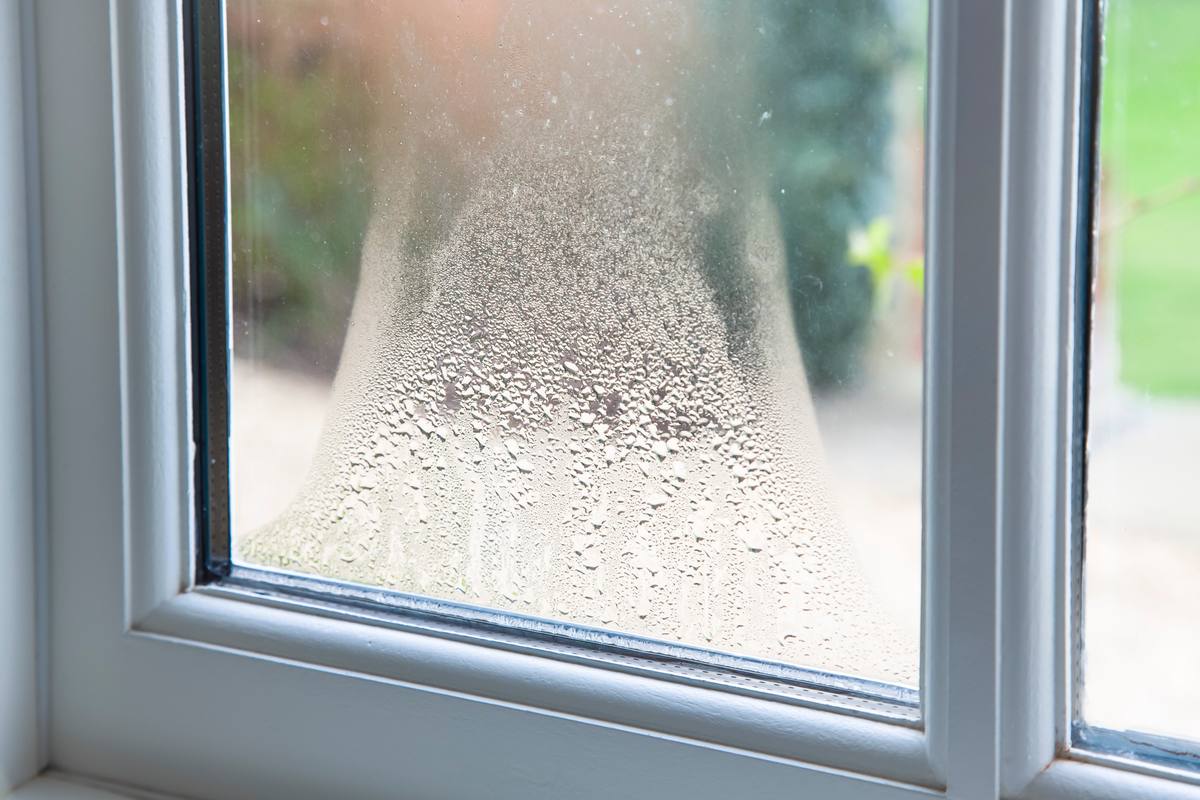
Condensation is trapped between the panes
Condensation on the inside of a window can often be caused by everyday moisture in the home, but misting or water trapped between the panes of double glazing can point to a failed sealed unit. Once the seal has broken, the window may no longer insulate as effectively.
One room always feels colder than the rest of the house
A single cold room can be caused by several things, including radiator performance, insulation or room position. However, inefficient windows can also be part of the problem, especially in bedrooms, bay windows, conservatories and older extensions.
The house cools down quickly once the heating goes off
If a home feels warm while the heating is on but quickly becomes cold afterwards, heat may be escaping through weak points in the property. Windows are not the only possible cause, but they are one of the easiest areas for homeowners to inspect.
Your double glazing is more than 15 to 20 years old
Older double glazing does not automatically need replacing, but windows fitted many years ago may not perform to the same standard as modern units. If older windows are also showing draughts, condensation or movement in the frame, it may be time to have them checked.
Practical Checks for Homeowners Ahead of Colder Weather
Before turning the heating up, homeowners can carry out a few simple checks around the home.
Run a hand carefully around window frames to feel for draughts.
Look for misting or moisture between panes of double glazing.
Make a note of rooms that never seem to retain heat.
Check whether trickle vents are working properly and are not blocked.
Use curtains or blinds in the evening to help retain warmth.
Review whether older windows are still performing as expected.
Antony added: “Windows are only one part of a home’s energy efficiency, but they are one of the most visible places to start. A quick check now can help homeowners spot problems early, rather than waiting until the first cold spell when the heating is already working harder.”
Contributor at The London News