eBay, Vinted and Etsy sellers: HMRC gets your sales data
Platforms send HMRC your 2026 sales by 31 January 2027 unless you made fewer than 30 sales and took under €2,000. Being reported is not the same as a tax bill.

19 October 2026 · 4 min read
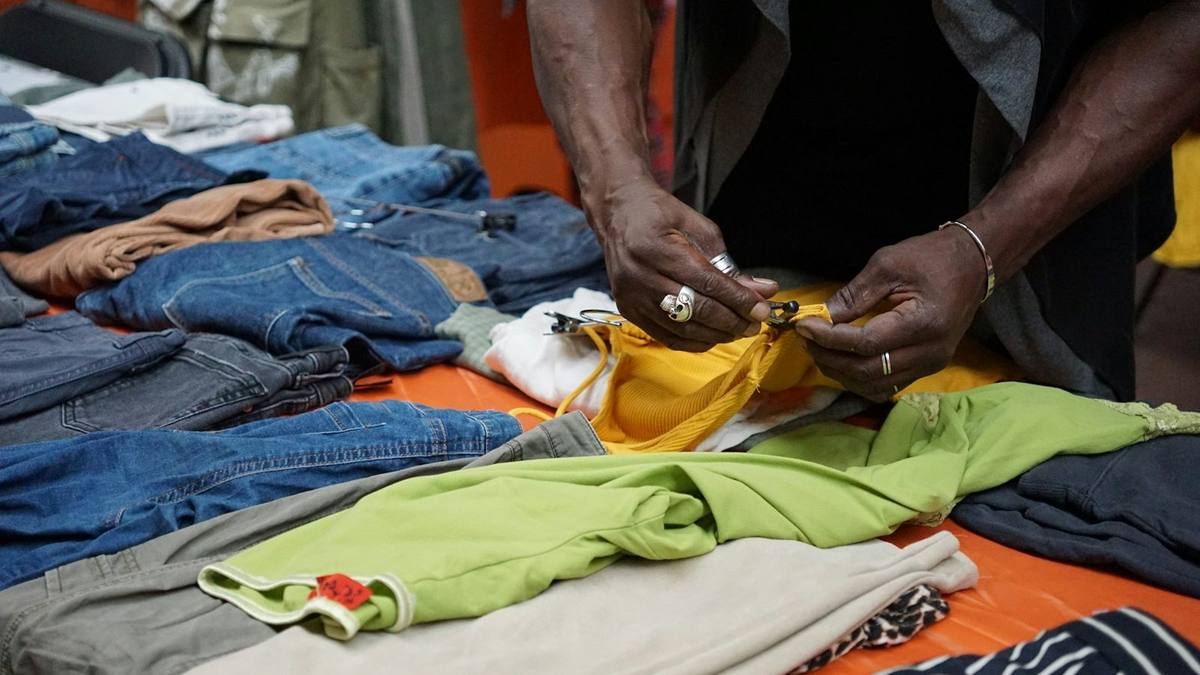
If you made 30 or more sales of goods on a selling platform in 2026, or received €2,000 (about £1,700) or more for them, the platform will report your details and your takings to HMRC. The 2026 figures are due with HMRC by 31 January 2027. Being reported is not the same as owing tax, and someone clearing out a wardrobe will usually owe nothing.
What the platforms send HMRC
The reporting rules started on 1 January 2024. HMRC's guidance for people selling on digital platforms sets out what an individual seller is asked for: full name, the address where you normally live, date of birth and, if you live in the UK, your National Insurance number. A company gives its legal name, main business address and company registration number.
The platform then reports your income from the platform for the calendar year, broken down into quarters, and must send you a copy of what it reported. A seller of goods is left out only if both of these are true for the year:
fewer than 30 sales;
less than €2,000 received for them.
Cross either line and you are in the report. The year runs to 31 December, so this Christmas's sales are in the 2026 figures. Our guide to what eBay sends HMRC and when walks through one platform's version in detail.
Reported is not the same as owing tax
HMRC has been plain about this. In its words: "There is no new tax for online selling." What changed is what HMRC can see. Whether tax is due depends on what you were doing.
Selling your own things. Old clothes, a sofa, the contents of the loft. HMRC says you are unlikely to pay tax on personal items sold from your home. Capital Gains Tax can apply if you sell a single possession for £6,000 or more, which a wardrobe clear-out will not reach.
Trading. If you buy goods to sell at a profit, or make goods to sell, HMRC says you are probably trading. That includes things you make as a hobby. If your gross trading income for the tax year is more than £1,000, you must tell HMRC by registering for Self Assessment.
So the Vinted seller getting rid of last winter's coats is usually in the first group. The person turning car boot finds into Vinted listings, or selling handmade earrings on Etsy, is in the second, even if it started as a hobby.
Why your figure and HMRC's will differ
The platform's report and your tax return measure different things, in two ways.
First, the dates. The report covers the calendar year. Self Assessment works on the tax year, 6 April to 5 April, so the platform figures have to be split.
Second, the fees. The report shows what you earned "less any fees, commission or taxes deducted by the platform". The £1,000 trading allowance is tested on gross income: the total before any allowances or expenses are taken off.
Illustration, not a real client. Grace makes earrings in Peckham and sells them on Etsy. Between 6 April 2026 and 5 April 2027, customers pay £1,150 for them. Etsy's fees come to £190, so £960 reaches her bank. It looks as though she is under £1,000. She is not: her gross trading income is £1,150, so she must register for Self Assessment by 5 October 2027.
She can then deduct either her actual costs or the £1,000 allowance, not both. With £190 of fees and £300 of materials, the allowance is better, leaving £150 of taxable profit.
What to do before 31 January
Keep the platform's copy of your report when it arrives. HMRC's own guidance says these reports "do not replace your normal business records or tax calculations".
Keep your own records: every sale at the price the customer paid, the platform's fees, postage, and what you spent on stock or materials.
Decide honestly whether you are clearing out or trading. HMRC's tool to check if you need to tell HMRC about income from online platforms takes a few minutes.
If you traded in 2025/26 with gross income over £1,000 and have not registered, do it now. The deadline was 5 October 2026 and registering late can bring a penalty. HMRC will give you three months from its letter to file, but the tax is still due by 31 January 2027.
If HMRC writes to you about your online sales, read what a letter from HMRC about online sales means before you answer it.
Start the record now, while the Christmas orders are still going out. It is easier to note each sale as it happens than to rebuild a year from a platform summary in January.
About the author
Harvey Dhillon is the founder and CEO of Zmartly, a UK accountancy firm for ecommerce sellers. He grew up in West London and worked in finance roles in investment banking, wealth management and private equity, starting at Barclays, before leaving in 2020 to build the firm. He is a Chartered Management Accountant (ACMA, CGMA).
Featured photo by Luba Glazunova on Unsplash.
Contributor at The London News