Are Emerging Markets Leading the Way in Real-World Stablecoin Adoption?
Discover how consumers in emerging markets are using stablecoins for everyday payments, protecting purchasing power and reducing cross-border transaction costs, and what Western businesses can learn.
26 November 2026 · 6 min read
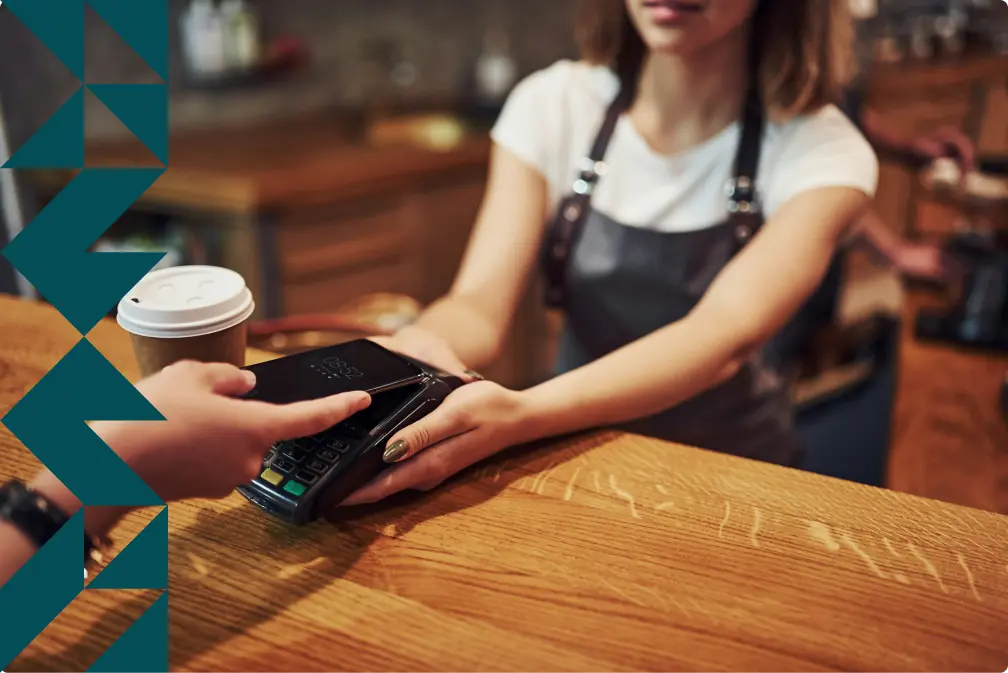
Paying for coffee, sending money to a friend, or buying something online is a straightforward process for most consumers. In many markets, little thought is given to what happens between tapping a card and the payment reaching the business. The customer enters their details, taps a card or opens an app, and the process happens seamlessly.
However, for millions of consumers across emerging markets such as the Philippines, Indonesia, Kenya, and Argentina, moving money is rarely that straightforward. Currency devaluation can eat into savings, international transfers come with costly fees, and access to reliable payment methods isn’t always guaranteed. In these economies, stablecoins are attracting interest for practical reasons.
Unlike their more volatile counterparts such as Bitcoin, stablecoins offer a suitable alternative that addresses the challenge emerging markets face when it comes to payments. Because they are pegged to an established asset such as gold or traditional fiat, these assets are designed to avoid significant price fluctuations, which makes them particularly relevant in economies where local currencies are losing value or can fluctuate wildly. For someone watching their earnings buy less each month, holding dollar-pegged stablecoins can offer an alternative way to retain value.
While much of the discussion in Western markets centres on regulation and institutional adoption, consumers in emerging economies are exploring how stablecoins could help protect their purchasing power, make international payments more affordable, and cover everyday expenses.
From speculation to everyday spending
Recent research has found that three quarters (76%) of respondents from these emerging markets would consider using stablecoins for everyday purchases, including groceries, coffee and transport, while a similar proportion (73%) would consider using them to pay recurring expenses such as rent, utilities and tuition fees. In addition, 72% said they would be more likely to choose a retailer that accepted stablecoins alongside traditional payment methods such as cash and card.
These figures point to growing interest in using stablecoins for purchases people make every day, suggesting consumers are considering where digital assets fit into their existing financial habits. The appeal comes down to whether they can make paying for goods and services easier, cheaper, or more reliable, particularly in markets where existing payment options can be expensive or difficult to access.
There is, of course, a difference between consumers saying they would use stablecoins and actually doing so. However, the fact that consumers are considering them for groceries, transport and household bills suggests that interest is reaching well beyond people who buy cryptocurrency as an investment.
When protecting purchasing power becomes a priority
For many consumers, the motivation starts with the value of their local currency. In economies where inflation and currency devaluation have put sustained pressure on household finances, people have to think carefully about how long their savings will retain their value and what their money will actually buy in the weeks and months ahead.
However, there is evidence to support this trend. From emerging markets, 76% of respondents said inflation had reduced their purchasing power, while 71% identified protection against currency devaluation as a reason for using stablecoins. For consumers facing these pressures, stablecoins can offer another way to hold funds in a currency that is less exposed to local devaluation, without necessarily needing access to a traditional foreign-currency bank account.
Cross-border payments are another catalyst
The cost of sending money overseas is another important factor driving interest in stablecoins. Anyone making an international transfer knows that the amount sent and the amount received can be very different, particularly when payments pass through several intermediaries, involve currency conversions, or incur processing fees along the way.
For families receiving money from relatives abroad, freelancers paid by overseas clients, and students paying international tuition fees, those deductions can make a real difference. In emerging markets, where international transfers can be particularly expensive, the ability to move money more directly could help people retain more of what they send or receive.
Transfers between digital wallets can mitigate some of the steps involved in a conventional international bank transfer, giving consumers and businesses another route for moving funds across borders. This could be particularly useful for someone supporting family members overseas, receiving payments for work from an international client or paying a supplier in another country.
What Western markets could learn
While consumers in emerging economies are exploring practical uses for stablecoins, much of the discussion in Western markets remains focused on regulation, institutional participation and the development of the wider digital asset market. These conversations are important, particularly when it comes to consumer protection and confidence in the organisations issuing stablecoins, but there is also a commercial question worth considering: where will people actually use them?
The experience of emerging markets provides some clues. Adoption is being driven by familiar financial pressures, including the cost of sending money abroad, the declining value of local currencies and the need for accessible payment options. Consumers want to retain the value of their money, send it across borders without high costs, and have more ways to pay for the things they need. These are immediate financial concerns, rather than ambitions about what the future of finance might look like.
Western businesses and financial institutions should look beyond investment and institutional finance when considering where stablecoins might fit. Instead, focusing on the merchants, payment gateways, e-commerce platforms and payment service providers that already connect consumers with the businesses they buy from offers an alternative pathway towards stablecoin adoption. These sectors will have an important part to play in determining whether stablecoins become a payment option people can use as easily as the methods they already know.
Making stablecoins part of the payment experience
Whether stablecoins become a regular payment option will depend heavily on the experience at checkout. Most consumers have little interest in understanding the technical details behind a payment or which blockchain processes it; they simply want to know that their transaction will go through, that the amount being charged is clear, and that the money will reach the intended recipient.
Those expectations are no different from any other payment method, which means businesses accepting stablecoins should not have to take on the responsibility of managing digital assets themselves. A retailer should be able to give customers another way to pay without having to become a cryptocurrency specialist or take on the risks associated with holding volatile digital assets.
Being able to accept a stablecoin payment and receive the equivalent value in local fiat currency, without holding the underlying digital asset, could remove a significant barrier to merchant adoption. Businesses would be able to offer customers another payment option while continuing to receive money in a currency they already use and understand.
This is where payment providers, gateways and merchants have an important role to play. Stablecoins do not need to displace banks, card networks or existing payment providers to find a place in commerce; they can work alongside established payment methods, giving consumers another way to pay while allowing merchants to receive funds in a familiar form.
Western businesses would do well to pay attention to what consumers in emerging markets are already telling us, particularly as they consider how stablecoins could fit into the payment methods people know and use. The future of stablecoin payments may have less to do with the next big development in crypto and more to do with whether someone can use them to buy a coffee, pay a bill, or send money home.
Contributor at The London News