A level students talk more about news and current affairs following digital reading app trial
www.readly.co
11 November 2026 · 3 min read
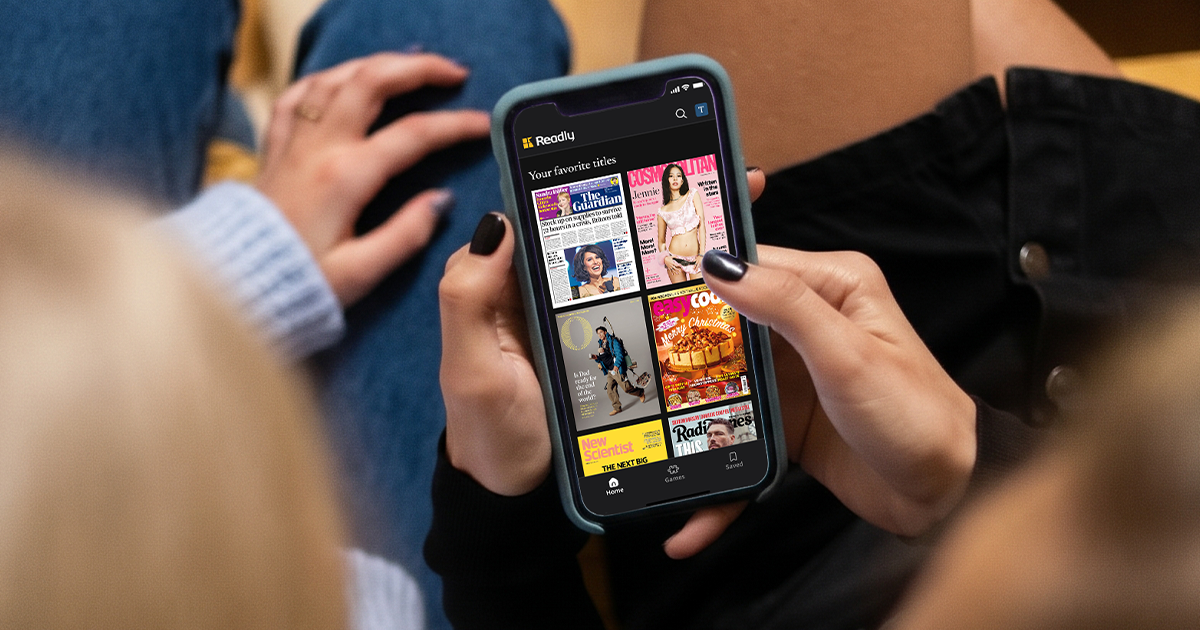
A new study shows that 94% of A level students talked more about news and current affairs with their family and friends following a three month trial of Readly digital magazine and newspaper app. The students also reported an increased awareness of journalism, better ‘screen time’ and more confidence in their own opinions.
The study of eighteen A level media studies students at Hinchley Wood Secondary School in Esher, Surrey used Readly for 3 months. 67% said they believe that journalism is more important than before after reading on the app and 72% said Readly had provided ‘better screen time’ than other digital activities.
When asked about their screen time usage before the trial, 50% of students described their habits as mostly consuming social media or video content, 42% said a combination of platforms and 8% mostly played video games.
Almost two thirds (67%) of the students reported that reading magazines and newspapers on Readly meant they consumed more interesting, thought provoking content. 50% said they had discovered magazines and newspapers that interest them and 44% believe they learnt more about news and society. A third of students (28%) said that reading on the app meant they thought more about their own opinions and the same number reported learning new things to support a hobby or interest.
Alongside newspapers and magazines, students also explored a wide range of topics that reflected their personal interests. Readly offers subscribers access to over 5,200 titles including categories such as lifestyle, celebrity & TV, news & politics, food & drink and business & finance. The categories students were most interested in reading were celebrity & TV (71%), fashion & beauty (54%) and food & drink (50%).
–The benefits of reading are endless and digital platforms can turn screen time into meaningful learning and discovery. It’s great to see the students enjoying reading on Readly. It’s all about getting interesting content into the hands of young people to promote daily reading and the benefits this brings such as a better understanding of the world, enhanced opinions with democratic viewpoints and supporting hobbies.
Younger generations are growing up with intuitive, personalised digital experiences, and increasingly expect content to be relevant, accessible and available. Readly is built with technology to make trusted journalism easier to discover, explore and consume. We're designing the experience not just around what readers already know and like, but also introducing new topics, encouraging curiosity and broadening perspectives, says Laurent Kayser, CEO at Cafeyn Group.
Whilst the UK government does not have specific daily reading recommendations for 16-to-18-year-olds, 30-45 minutes of reading a day is thought to be beneficial to wellbeing. The first-ever government guidance on healthy screen use for children aged 5–16 is due to be published later this year.
However, despite the compelling evidence on the benefits of reading for pleasure such as improved academic attainment, mental health and wellbeing and the development of empathy, latest research from The National Literacy Trust showed that just 36% of children and young people aged 8 to 18 reported enjoying reading in their free time.
The Hinchley Wood School Study also showed the students' top reasons to read on Readly were to be informed (72%), for entertainment (61%), to avoid fake news (56%), to counter endless social media (44%) and for special interest purposes (22%). Almost two third of the students (66%) continued to use Readly after the trial period.
– Using Readly gave students the opportunity to explore reading beyond the books and texts they would normally choose. The trial encouraged them to browse a much wider range of magazines and publications, allowing them to discover new interests and develop their confidence as independent readers. It was particularly encouraging to see students engaging with topics they might not otherwise have encountered and beginning to see reading as something they could choose to enjoy, rather than simply something they were expected to do, says Keri Lillico, Head of Media Studies and Teacher of English at Hinchley Wood Secondary School
Readly aims to offer more schools and community services access to the app via partnerships. For more information visit www.readly.co.
Contributor at The London News