Winter market traders in London: when HMRC needs to know
Christmas stall takings of up to £1,000 this tax year, with any other trading, are covered by the trading allowance. Over that, tell HMRC by 5 October 2027.

23 October 2026 · 4 min read
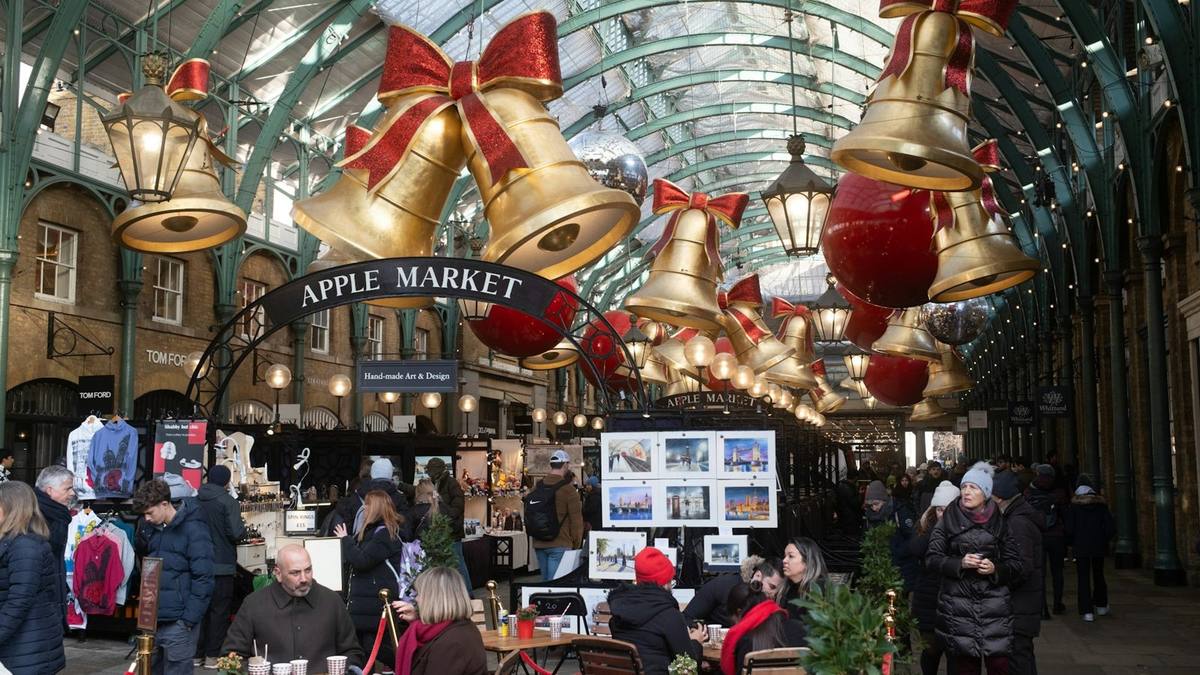
A winter market stall that takes £1,000 or less in a tax year is covered by the trading allowance, and HMRC usually does not need to hear about it. Take more than £1,000 and you must register for Self Assessment. For stalls this November and December, the deadline is 5 October 2027.
The £1,000 is measured on takings, not profit. That is the detail that catches people out.
Making to sell is trading
Selling your own unwanted things, the attic clear-out, is generally not trading, and HMRC says you probably will not pay Income Tax on personal possessions.
Making things to sell is different. HMRC's guidance on side income says you are probably trading if you sell goods you have made, "including items you make for a hobby", or goods you bought intending to sell at a profit. Candles, wreaths, cards and prints made to sell are likely to count.
The allowance covers all your trading income together, not each activity separately. A weekend stall at a winter market and a few online orders from the same hobby are added up.
Takings, not profit
The test is gross income: everything you take before any costs come off.
Illustration, not a real client. Leah works full time in an office in Croydon and sells hand-poured candles at weekend winter markets from mid November. Over six weekends she takes £2,400. Wax, jars and wicks cost her £700 and pitch fees another £600, so her costs are £1,300.
Takings of £2,400 are over £1,000, so she must register.
Claiming her actual costs: £2,400 less £1,300 leaves £1,100 taxable.
Claiming the allowance instead: £2,400 less £1,000 leaves £1,400 taxable.
Her real costs beat the allowance, so she claims them. Her salary already uses her Personal Allowance and she pays basic rate tax, so the £1,100 costs her £220 in Income Tax at 20 per cent. Had her takings stayed at £1,000 or less, there would have been nothing to tell HMRC at all.
You can deduct the allowance or your actual costs, not both. If your costs come to less than £1,000, the allowance gives the lower figure. Two more points. You cannot use the allowance at all in a year when you have trading income from your employer or your spouse's or civil partner's employer, or from a company or partnership that you or someone connected to you owns, controls or is a partner in. And if a first season ends in a loss, perhaps after a large order of stock, you may want to register anyway, because claiming relief for a loss needs a tax return.
A plain guide to the trading allowance sets out when it helps and when it costs you.
The dates for this winter
Stalls this November and December fall in the 2026/27 tax year, which ends on 5 April 2027. If you do not already send a tax return:
5 October 2027: tell HMRC by registering for Self Assessment.
31 January 2028: file your return online and pay what you owe.
HMRC's registration guidance warns that telling it after 5 October could bring a penalty.
If you traded last winter, in 2025/26, and took more than £1,000, your registration date was 5 October 2026 and it has passed. Register now. HMRC will give you three months from its letter to file, but the tax is still due by 31 January 2027.
Records that make January easy
Even if you claim the allowance, you must keep a record of your income. HMRC lists invoices, a spreadsheet of takings and bank statements as examples. For a stall, that means:
each market day's takings, cash and card noted separately;
the statements from your card reader;
receipts for materials and pitch fees, in case your costs beat £1,000.
HMRC can charge a penalty if records are not accurate, complete and readable, or not kept for at least five years after the 31 January deadline, so a notebook kept on the day is worth more than a reconstruction in January.
What to do next
Start a running total of takings from your first market day. If it passes £1,000 before 5 April 2027, you will be registering.
Keep every receipt. When the season ends, compare your costs with the £1,000 allowance and use whichever is larger.
If you are not sure whether what you do counts as trading, a three-question side hustle tax checker gives a quick first answer.
Put 5 October 2027 in the diary now, while it still feels a long way off.
About the author
Harvey Dhillon is the founder and CEO of Zmartly, a UK accountancy firm for small businesses. He grew up in West London and worked in finance roles in investment banking, wealth management and private equity, starting at Barclays, before leaving in 2020 to build the firm. He is a Chartered Management Accountant (ACMA, CGMA).
Featured photo by Frederick Wallace on Unsplash.
Contributor at The London News