Why Are Retailers Paying Staff to Change Price Tags When They Could Be Making Christmas Sales?
ShelfTalker’s Head of Commerce, Adrian Page, shares his advice on where retailers could be prioritising staff time this Christmas.
4 November 2026 · 3 min read
I've spent more than 25 years working across wholesale, convenience retail, and independent retail organisations, and one challenge has remained remarkably consistent: retailers are under constant pressure to do more with the time and resources they have. As Christmas approaches and promotional activity ramps up, that pressure becomes even more apparent. Staff are needed on the shop floor helping customers make decisions and driving sales, but many are still spending valuable hours carrying out routine tasks such as changing price tickets.
That sounds obvious, but it's really easy to lose sight of it when the Christmas trading period arrives. Black Friday brings a wave of promotions, Christmas brings another, then come clearance offers, Boxing Day sales, and January reductions. Every change creates work somewhere in the business, and that work lands on the same people retailers desperately need on the shop floor.
I've always found that really quite frustrating to watch. Retailers spend a huge amount of money trying to get customers through the door, attract their attention, improve the experience, and convert interest into a purchase. Once those customers arrive, we shouldn't be taking the people who can help them away to do admin.
Take a store with 2,000 products and assume 10% need a price or promotional change for one campaign. If each ticket, hypothetically, only takes two minutes to locate, remove, replace, and check, that's almost seven hours of staff time for one round of changes. Run that process repeatedly through the Christmas period and the cost starts to look very different, particularly when you factor in the sales conversations those employees could have been having instead.
I've seen how this plays out in practice. Someone is halfway through changing a run of prices when a customer needs help; they leave the job, go and speak to them, then another customer approaches with a question. The labels are left half changed, the member of staff has to remember where they got to, and suddenly a task that should have taken an hour is continually pushed further down the list.
Then there is the other side of that problem. A member of staff might say, "I'll just finish this first," because they don't want to keep stopping and starting the job. The customer doesn't know that; they only know that nobody is available when they want help. At Christmas, when customers are already dealing with busy stores and trying to make decisions quickly, that's a poor trade-off for something as routine as changing a price.
When someone is comparing products, looking for a gift, unsure about a purchase, or ready to pay, having someone available can make the difference between browsing and buying.
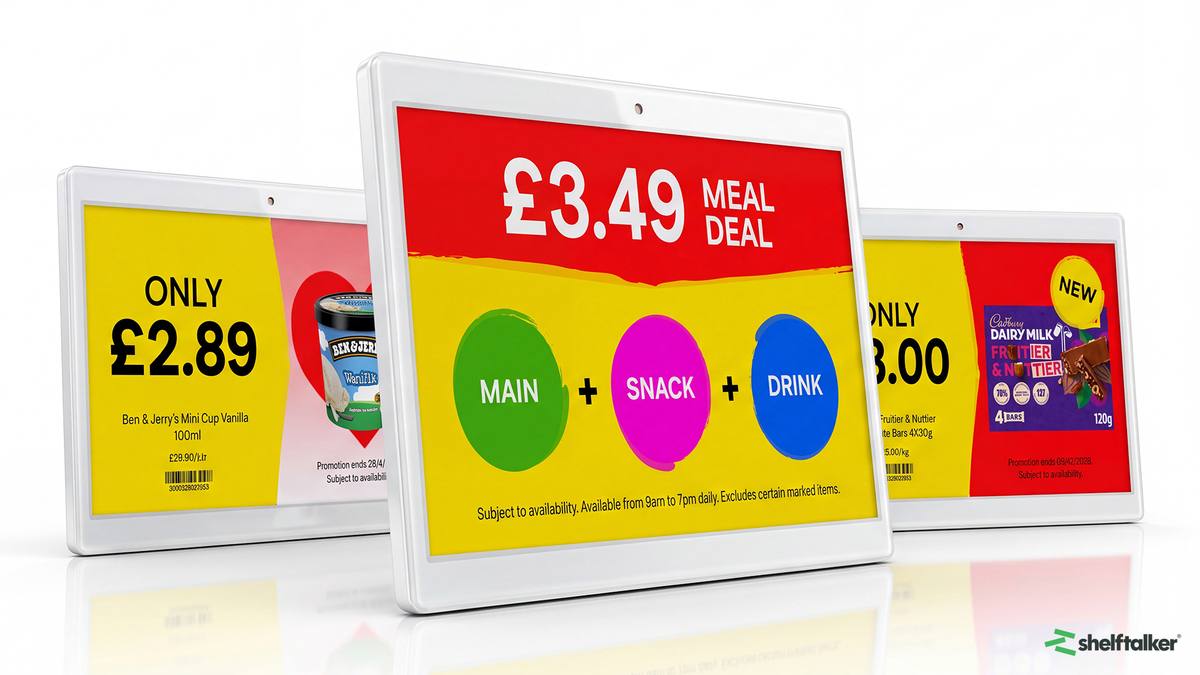
Something that's already happening at stores such as Laurels Service Station, a SPAR retailer with 1,500 electronic shelf labels, pricing and promotional changes are being made digitally rather than requiring staff to replace paper tickets individually.
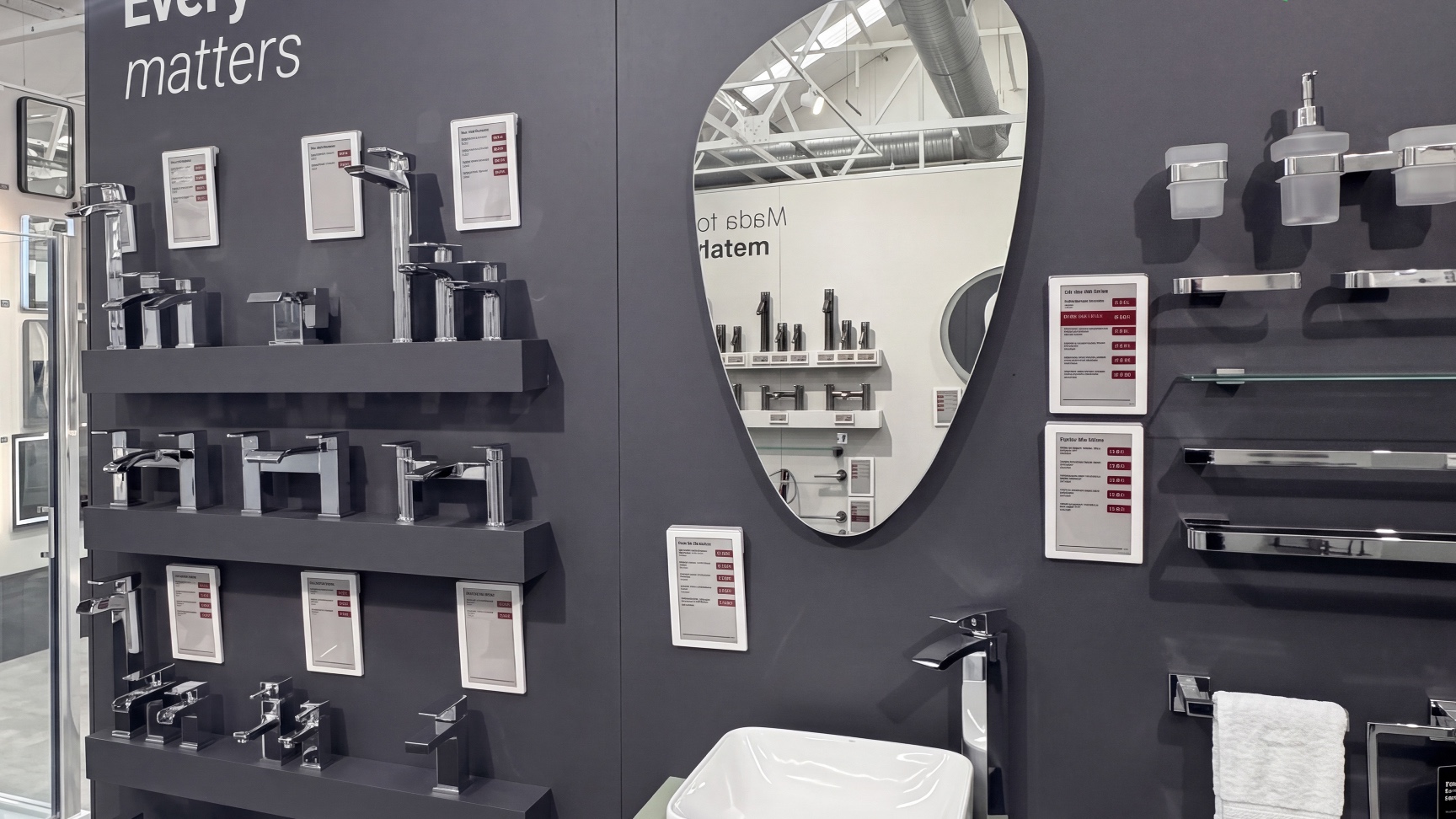
As one solution, electronic shelf labels are becoming an increasingly familiar sight in retail, but I think there's still a bigger question to ask about how we're using them. Retailers can update prices and launch promotions across their online stores in moments, so why should making those same changes on the shop floor still involve so much manual work? Businesses should be pushing their technology to do more, connecting pricing and promotional systems to the physical shelf so changes can happen quickly. That's the thinking behind solutions such as ShelfTalker, but the wider opportunity is for retailers to make their physical stores as responsive as their digital ones.

But also, the ultimate point is that technology shouldn't just be about making existing tasks quicker and easier. Retailers should also consider what that saved time makes possible. If staff spend less time on repetitive jobs, they have more opportunity to help customers, answer questions, and deliver the kind of service that encourages people to buy.
After more than 25 years working across wholesale, convenience retail and independent retail organisations, I've seen how much the small moments can matter when it comes to making a sale. It's a question answered at the right time, a product that catches someone's attention, or having a member of staff available when a customer is ready to buy. This Christmas, retailers should be looking at how technology can create more opportunities for those moments, rather than tying up staff in tasks that could be done differently.
Contributor at The London News