Shopify sellers with a job: a first-year loss can cut tax
A new Shopify store that makes a loss can set it against a salary and get PAYE tax back, if it is run as a business. Under 10 hours a week, a cap applies.

22 November 2026 · 3 min read
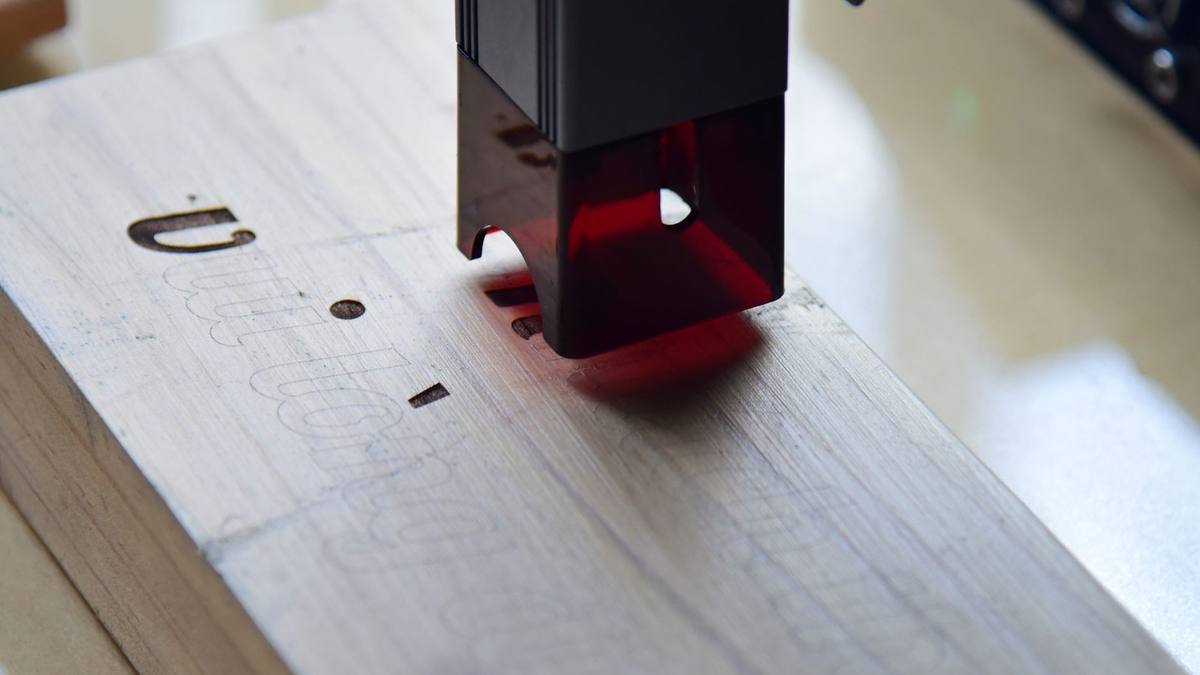
A new Shopify store usually costs money before it makes any. For a sole trader who also has a job, a loss in the shop can be set against the salary, and the PAYE tax on that slice of salary comes back. The condition is that the shop is run as a business, with a view to profit. A hobby does not qualify.
Why the first year so often shows a loss
The cash basis is now the default for sole traders, and under HMRC's guide to the cash basis, equipment you buy to use in the business, such as machinery and computers, is an ordinary expense in the year you pay for it. A seller who buys an engraver, a sewing machine or a heat press in the first year deducts the whole cost that year, even though it will be used for many more. Add the first stock order, the theme and the apps, and year one is often in the red.
Until April 2024, a cash basis loss could generally only be carried forward against the same business's later profits. That restriction was removed from the 2024 to 2025 tax year, so a cash basis loss can now be set against other income too.
How the loss can be used
HMRC's helpsheet on losses sets out the main routes:
against your other income, such as salary, in the year of the loss, the year before, or both;
in the first four years of a business, against your income of the three years before the loss, starting with the earliest;
carried forward against the shop's own future profits.
Illustration, not a real person. Holly works in an office in Camden on a salary of £38,000. In May 2025 she opens a Shopify store selling engraved wooden gifts as a sole trader. By 5 April 2026 her sales are £2,300. She has paid £3,500 for a laser engraver and £1,800 for materials, apps and fees.
Her shop's result for 2025 to 2026 is a loss of £3,000.
Set against her salary, it takes £3,000 off the income she is taxed on. All of it would have been taxed at the 20 per cent basic rate.
She claims on her 2025 to 2026 tax return, due by 31 January 2027, and HMRC repays £600 of the tax taken through her payslips.
The conditions
Under section 66 of the Income Tax Act 2007, relief against other income is only available if the trade is carried on "on a commercial basis" and "with a view to the realisation of profits". The helpsheet puts it simply: do not claim if the trade is run "as a hobby". Selling below cost with no plan to change, or making things mainly for the pleasure of it, is unlikely to pass.
There are limits. If you spend less than 10 hours a week on average on the business, relief against other income is capped at £25,000 a year. Separately, the total of certain reliefs, loss relief among them, is limited to the higher of £50,000 or 25 per cent of your adjusted total income. For most side shops neither cap bites, but the 10-hour test is a reason to keep a note of the time you put in.
Showing it is a business
If you claim a loss, expect HMRC to ask whether the shop is a business. I would keep three things: prices that are set above cost, a simple plan showing when the shop should make money, and a weekly note of the hours spent on it. The receipts for the equipment go without saying.
If the shop runs on Shopify alongside a marketplace or two, our page on ecommerce accounting services for new Shopify shops sets out what goes into the first year's books. If your shop made a loss in 2025 to 2026, the claim belongs on the return you file by 31 January. If 2025 to 2026 was your first year and you have not yet told HMRC you are self-employed, do that first.
About the author
Harvey Dhillon is Founder and CEO of Zmartly, an accountancy firm for ecommerce sellers. He grew up in West London and began his career in finance at Barclays, in investment banking and wealth management, before going full-time on Zmartly in 2020.
Featured photo by Sóc Năng Động on Pexels.
Contributor at The London News