Online sellers can claim travel costs for stock trips
Sole trader online sellers can deduct qualifying stock trip costs. Separate travel, meals and private spending before claiming your next expenses.

20 November 2026 · 3 min read
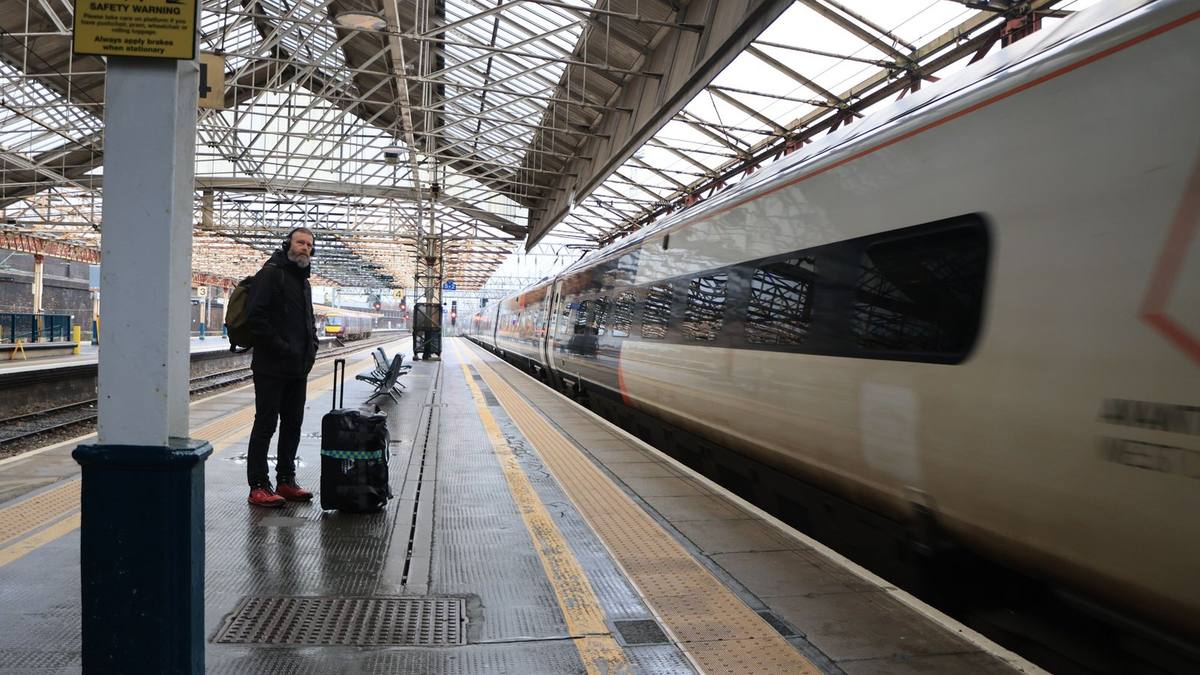
Sole trader online sellers can deduct allowable business travel costs when buying stock or meeting suppliers, including hotel rooms and meals on overnight business trips. Ordinary daily food and the commute to a regular workplace do not become business expenses simply because the day involves work.
A buying trip can produce a confusing collection of payments: tickets, accommodation, dinner and something bought for yourself. Putting everything on the same card does not give it the same tax treatment.
The starting point is the purpose of each cost. HM Revenue and Customs (HMRC) allows business expenses to be deducted when calculating taxable profit. That reduces the profit on which income tax is calculated; it does not mean the government refunds the whole trip.
Its guide to self-employed expenses lists train, bus, tram, air and taxi fares, alongside parking and hotel rooms. It excludes private travel, fines and travel between home and work.
For a seller visiting a trade fair, wholesaler or car boot sale, the useful question is what the journey was for. Buying stock for resale is a business purpose. Browsing for your own wardrobe is personal. Where spending serves both purposes, only the business costs can be claimed.
These rules concern sole traders. There is also an important choice before adding up receipts: you cannot claim expenses if you use the tax-free trading allowance. Do not combine the two approaches.
Overnight meals belong in a different category
The guide expressly includes meals on overnight business trips. That is useful for a seller who needs to stay away to attend a buying event or meet a supplier.
It is not permission to put every sandwich through the business. Normal personal spending remains personal, and a receipt proves a purchase happened, not that it qualifies for tax relief.
For meals on a trip without an overnight stay, check the rules for your circumstances before claiming. The general guide does not set out the conditions for those meals. Neither "all lunches count" nor "no day-trip meals count" is a safe shortcut.
Illustration, not a real client. A sole trader online seller based in Croydon makes an entirely business-related overnight trip to buy stock at a trade fair. The seller claims actual allowable expenses rather than using the trading allowance.
Return train fare: £68.
Hotel room: £95.
Meals on the overnight business trip: £27.
A personal purchase unrelated to the business: £40.
Total spending is £230: £68 + £95 + £27 + £40. The allowable travel, accommodation and meal costs total £190: £68 + £95 + £27. The personal £40 stays out of the claim.
The £190 reduces taxable profit; it is not a £190 tax refund. No stock purchase is included in this calculation. Keeping the personal item separate makes the calculation understandable without asking a reviewer to reconstruct the trip from a bank statement.
Keep the reason for the journey with the cost
Drivers have a further choice. HMRC's simplified expenses guidance allows eligible vehicle costs to be calculated using business mileage instead of actual buying and running costs. Keep records of business miles if using that method.
You cannot use simplified expenses for a vehicle if you have already claimed capital allowances on it, meaning tax relief on its purchase cost, or deducted that cost as a business expense. Once you use mileage rates for a vehicle, you must continue while using it for the business. Parking and other travel expenses, such as train journeys, can be claimed separately.
For organising a buying trip, a practical checklist is:
Save tickets, receipts and hotel bills together, with a note of the date, destination and business purpose.
Separate private purchases and private travel from business costs before adding up the claim.
For driving, record business miles and identify the vehicle expense method already in use.
Mark any uncertain meal or mixed-purpose journey for checking before claiming it.
Whether you keep your own books or use ecommerce accounting support for recording business expenses, include the reason for the journey alongside the amount. A railway ticket gives the destination; it cannot explain why you went.
Before your next stock trip, check the vehicle method and any uncertain meal claim. On your return, put the receipts and purpose note together before the next buying trip adds another layer of paperwork.
About the author
Harvey Dhillon is Founder and CEO of Zmartly, an accountancy firm for ecommerce sellers. He grew up in West London and began his career in finance at Barclays, in investment banking and wealth management, before going full-time on Zmartly in 2020.
Featured photo by Jan Wright on Pexels.
Contributor at The London News