Autism and ADHD Expert Suzan Issa Debuts New 'Chaos & Compassion' Podcast
Suzan Issa, founder of The Wildways, launches ADHD focused podcast for ADHD Awareness Month
1 October 2026 · 4 min read
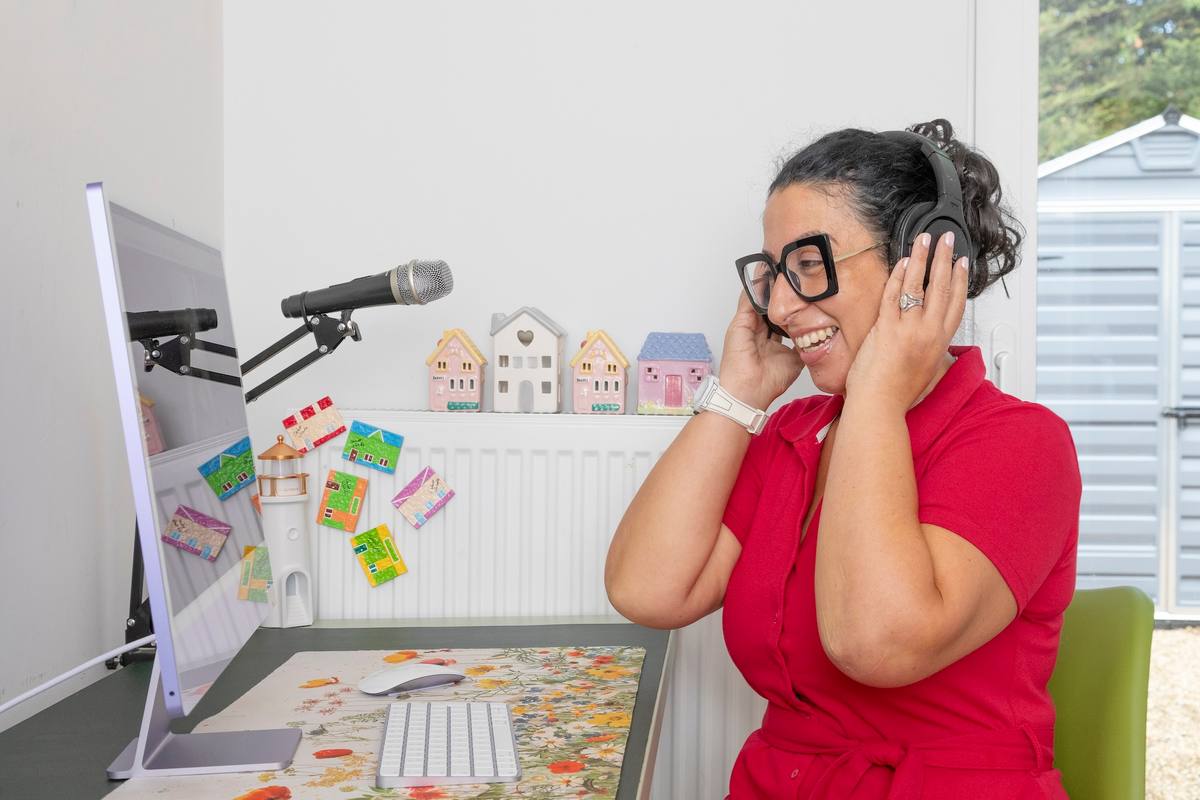
A Human Connection Expert and Behavioural Translator who has supported over 400 children, young people, and family members, trained more than 70 specialist practitioners, and built an online parent community of over 5,700 people, is preparing to launch her new podcast this month. Wild Ways: Chaos, Coffee & Compassion arrives in time for ADHD Awareness Month.
Suzan Issa, 52, from Loughton, Essex, has spent more than two decades helping people "understand themselves and each other well enough to actually get on" in an array of settings, including education and boardrooms, working with clients such as Action for Children, MIND, and The Globe Theatre.
Now she plans to bring it all together in Chaos, Coffee & Compassion, which will air weekly from 1st October 2024 to coincide with ADHD Awareness Month. The show is co-hosted by Rosalind Walker, a key figure behind The WildWays Foundation.
Having received a late autism diagnosis in her 40s after spending much of her life feeling misunderstood, Suzan recently took to the TEDx stage to share her experiences with masking and the loneliness it brings. As a result, she was inundated with messages from people saying they would love to talk about this more. As the founder of The WildWays, which offers support to families and young people struggling to make sense of neurodivergent behaviours, Suzan has been on a knowledge-sharing journey for many years. While her book, Raising a Wild Child, has already helped many, she felt that launching a podcast was an even more accessible way to reach others who are struggling.
Created particularly for parents—as Suzan is keen that no parent should ever feel they are struggling to be heard—she sets out to lead conversations that normalise the experiences and emotions around neurodivergence that can often leave families feeling isolated.
Released across all major podcast platforms, the show explores the lived neurodivergent experience and the challenges of behaviours such as PDA (Pathological Demand Avoidance). As a behavioural translator, Suzan spends her working life naming what is really happening beneath the surface of a strained relationship or a moment that feels "off." The podcast brings that same lens to families: curiosity rather than judgment, and understanding the need underneath the behaviour rather than trying to "fix" it.
“Nobody hurts anyone on purpose,” says Suzan. “The key is understanding the needs void to enable us to live, work, and grow together more harmoniously.”
“There’s always a moment in a real conversation where someone says, ‘Oh, I thought it was just us,’ and you can see the shame lift a little. That’s the whole thing, really—that is what I’m here to do.”
Built on Suzan’s own "no shame, no blame" philosophy, the podcast stems from a career spent watching families get stuck in the gap between what a child needs and what the people around them are able to give—not because anyone is failing, but because nobody has named the gap yet. Suzan believes the more real-world scenarios she and Rosalind can share, the more people will recognise themselves and realise they weren't doing it wrong; they simply hadn't found the right lens yet.
The show also features a dedicated Q&A element, with parents, carers, and others invited to send in questions about understanding their child, school avoidance, PDA, burnout, or situations they have struggled to make sense of. The tone, as Suzan puts it, is simple: “No judgement. No quick fixes. Just an honest conversation about what’s really going on.”
Following the podcast launch, Suzan is also introducing donation-based, "pay what you can" Q&A sessions so that support is never locked behind a price tag that shuts people out before they have even had the chance to ask a question.
“It’s a chance for people to get to know me behind the work,” Suzan explains, “not just the ‘no shame, no blame’ framework on a page, but the person who lives it, and sometimes trips over it, day to day.”
The launch comes as new figures show why this conversation matters more than ever. Over 270,000 people in England are currently waiting for an autism assessment, with nine in ten waiting longer than the recommended three months, while Department for Education figures show severe school absence is at a record high. A recent survey of more than 9,000 teachers found more than half do not feel equipped to support children with emotionally based school avoidance.
“That’s not a diagnosis crisis, it’s a support crisis,” says Suzan. “Support shouldn’t be locked behind a piece of paper.”
A former headteacher and self-described master in the art of being misunderstood, Suzan was stabbed by a student on her first day in a specialist SEN classroom. Instead of running from the experience, she built an emotional regulation programme tailored to every individual child in that room.
She later left the teaching profession when the system prevented her from helping a child in crisis and set up a family support business instead, which grew into The WildWays. She has now spent more than two decades translating human behaviour in settings ranging from education to boardrooms, working with individuals, families, and clients such as Action for Children, MIND, and The Globe Theatre.
Contributor at The London News