Clocks go back: night staff work an extra hour on Sunday
At 2am on Sunday 25 October the clocks go back, so a 10pm to 6am shift lasts nine hours. Staff paid by the hour are owed the extra one.

22 October 2026 · 4 min read
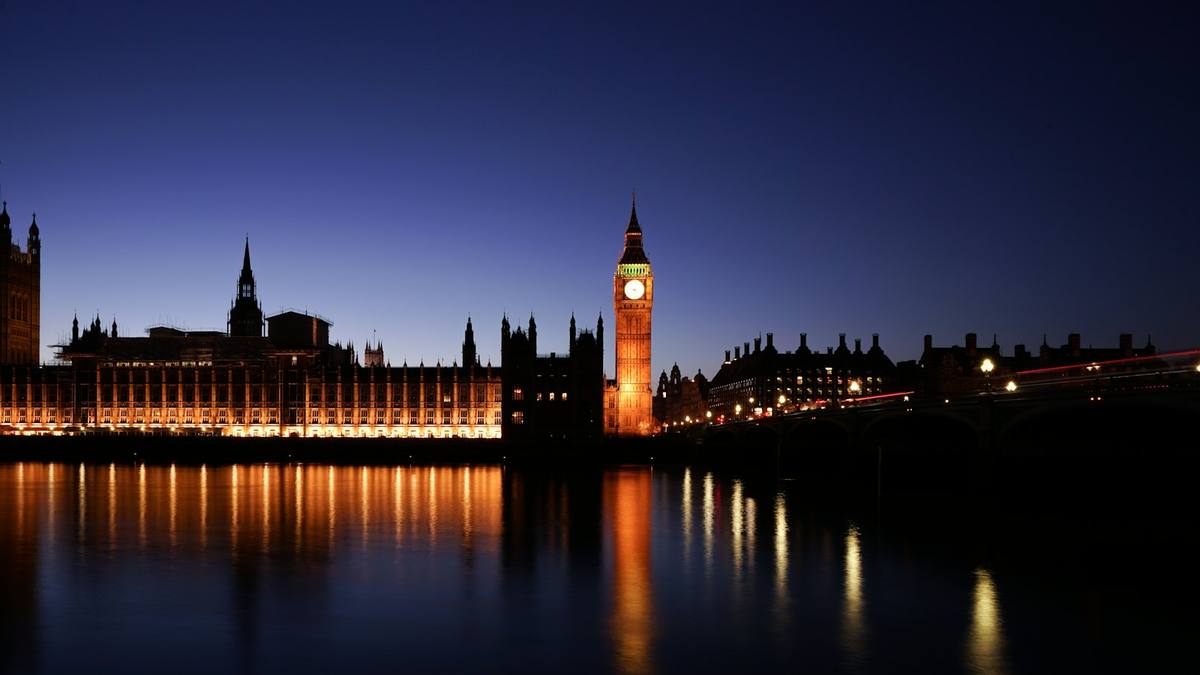
At 2am on Sunday 25 October the clocks go back an hour. A night worker on a 10pm to 6am shift that night works nine hours, not eight. If they are paid by the hour, they are owed nine hours' pay, and for anyone on the minimum wage the ninth hour is not optional.
London runs a large night economy, from bar staff in Shoreditch and security guards in the City to cleaners, care workers and warehouse teams on the edge of town. Payroll that runs from clocking-in times picks the hour up without anyone noticing. The ones at risk are rotas built on the shift's planned length, and flat rates per shift.
Hours worked are what count
The clocks go back one hour at 2am on the last Sunday in October, which this year is 25 October. HMRC's minimum wage guidance does not mention the clock change. They do not need to. HMRC's guidance on the hours the minimum wage must cover says that if you pay a worker according to the number of hours they are at work, that is time work, and the minimum wage is owed for those hours.
The National Living Wage is £12.71 an hour for workers aged 21 and over. There is no separate night rate. gov.uk is explicit that the minimum wage applies to night workers "but there is not a higher night working rate".
Where the extra hour goes missing
Hourly staff paid from a clocking-in system will be paid for nine hours automatically. The problems sit in two other places.
The first is a rota that pays the planned shift rather than the hours worked. A shift entered as "22:00 to 06:00, 8 hours" will pay eight, because that is what the rota says.
The second is flat pay per shift. The minimum wage test is done across the whole pay period: total pay divided by total hours. One long night can be absorbed if the rest of the period pays comfortably above the minimum. For staff paid at or very close to it, it will not be.
Illustration, not a real client: a security firm in Southwark pays a guard £101.68 a shift, which is exactly eight hours at £12.71. He works five night shifts a week, paid weekly. In an ordinary week that is £508.40 for 40 hours. In the week that includes 25 October he works 41 hours for the same £508.40, which is £12.40 an hour. He is owed another £12.71, and the firm has underpaid the minimum wage if it does not add it.
HMRC's manual uses a security guard as one of its own examples: a guard who is allowed to nap in a chair between tasks, but is expected to be awake and working for most of the shift, is likely to be owed the minimum wage for the entire shift.
Why a small underpayment is not small
HMRC enforces the minimum wage on behalf of the Fair Work Agency. Where it finds arrears, the employer pays them to each worker, plus a penalty of up to 200 per cent of the arrears, capped at £20,000 per worker. The penalty halves if the employer complies with the notice in full within 14 days.
£12.71 is not going to trouble anyone's cash flow. A pattern of unpaid hours across a night team, found two years later, is a different conversation, and the clock change is one of the easiest places for that pattern to start.
Two related rules
Workers aged 16 or 17 cannot work between midnight and 4am, so the extra hour cannot be filled by a younger member of staff. And night workers must not work more than an average of eight hours in 24, usually measured over 17 weeks. Regular overtime counts towards that average; occasional overtime does not.
In March the clocks go forward and the same shift is seven hours long. Hourly staff are then paid for seven, salaried staff for their normal salary.
Before Saturday night
Check the rota for anyone working across 2am on 25 October and make sure their hours read nine, not eight. If you pay by the shift, add the hour for anyone close to the minimum wage. It costs one hour's pay per person.
If you are taking on staff for the winter, our guide to what a first employee really costs sets out the minimum wage, employer National Insurance and pension from April 2026.
The clock goes back once. The timesheet has to record it.
About the author
Harvey Dhillon is Founder and CEO of Zmartly, a UK accountancy firm for small businesses. He grew up in West London and began his career in investment banking finance at Barclays, before going full-time on Zmartly in 2020. He is a Chartered Management Accountant (ACMA, CGMA).
Featured photo by Tom Chen on Unsplash.
Contributor at The London News