Children's clothes sellers: VAT registration can pay you
Children's clothes and books carry no VAT, so an online seller who registers can reclaim VAT on costs. Above the threshold, they can ask not to register.

1 November 2026 · 3 min read
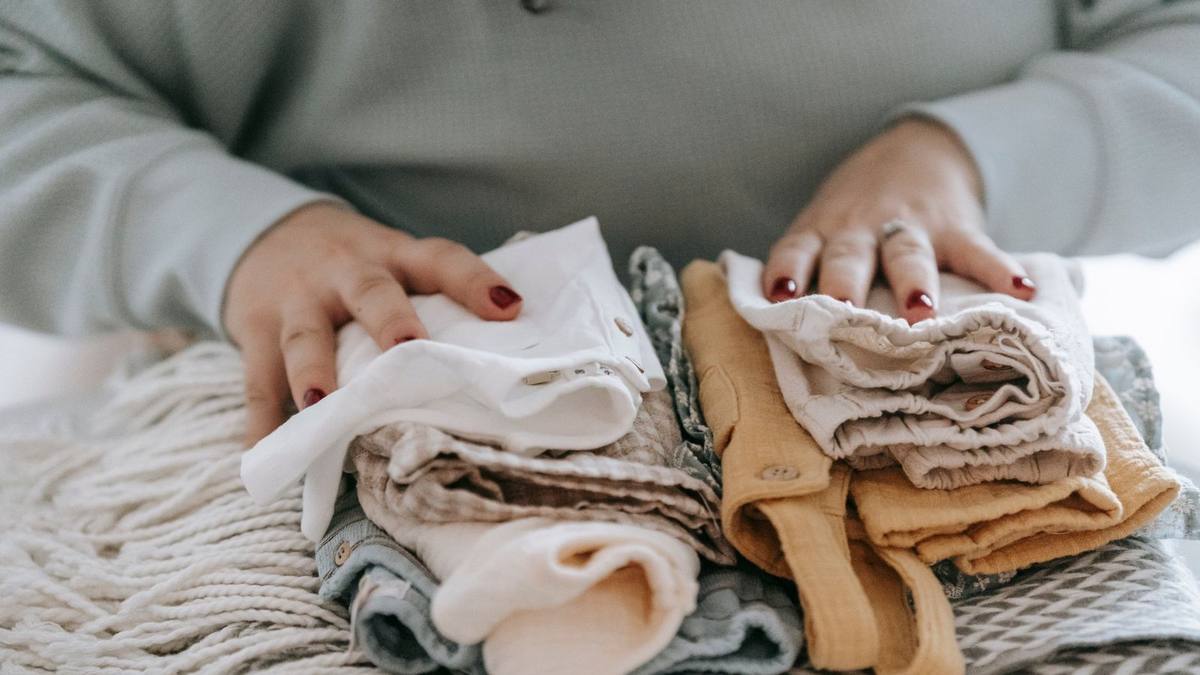
Children's clothes, children's shoes and most books carry VAT at 0 per cent. An online shop that sells only those charges its customers no VAT, but once registered it can reclaim the VAT it pays on its own costs. Below the registration threshold, that can make registering voluntarily worth it. Above it, a shop selling mainly zero-rated goods can ask HMRC not to register at all.
Zero-rated is not the same as exempt
A zero-rated sale is still a taxable sale. HMRC's notice on who should register for VAT lists books, newspapers and young children's clothing and shoes among its examples. Because the sales are taxable, they count towards the threshold, and a registered seller can reclaim VAT on what it buys to make them.
The stock itself usually carries no VAT, because it is zero-rated when you buy it too. The VAT a seller can reclaim sits in the costs around it: packaging, courier services, equipment, and fees from UK businesses that charge VAT.
Not everything in a children's shop is zero-rated. HMRC's list of VAT rates shows prams and pushchairs at the standard rate, children's car seats at 5 per cent, and exercise books and posters at the standard rate even though books are zero. HMRC's notice on clothing sets out which sizes count as children's.
Registering below the line
You can register voluntarily at any turnover, as long as you are in business. You choose your registration date and can ask HMRC to backdate it by up to four years. Once registered you can usually reclaim VAT on goods bought for the business in the four years before registration that you still have, and on services from the previous six months.
If you expect to reclaim more VAT than you pay, the same notice says you can ask HMRC for monthly returns, so the money comes back sooner. Every return has to be filed, through software, even when there is nothing to pay.
Illustration, not a real client. Leah sells children's clothing and picture books on eBay and through her own site from Bexleyheath. Her sales are £60,000 a year, all zero-rated. Her costs that carry VAT come to £6,000 a year, plus £1,200 of VAT.
Registered, she charges no VAT on her sales and reclaims the £1,200 each year.
If she also sells £6,000 a year of posters and stationery and keeps her prices the same, £1,000 of that becomes VAT she pays to HMRC once she is registered. She buys them in for £3,000, including £500 of VAT, which she can now reclaim. So those sales cost her a net £500, and her overall gain falls to £700.
So the answer turns on two numbers: the VAT inside your costs, and how much of what you sell is not zero-rated.
Over the line: exemption from registration
A seller whose turnover passes the threshold normally has to register. If all or most of your sales are zero-rated, you can instead apply for exemption from registration. If VAT is due on some of your sales, you have to show HMRC that, if you were registered, the VAT you reclaim would normally be more than the VAT you charge.
Exemption has a price. While you have it you cannot reclaim any VAT, and you must tell HMRC if what you sell changes. If HMRC turns the application down, it registers you from the date you should have registered, so apply as early as you can rather than after the deadline has passed.
Which way to go
For a small zero-rated shop, I would add up a year of receipts that show VAT before deciding anything. If the VAT on them is a few hundred pounds, a quarterly return may not be worth your time. If it runs into thousands, registering is usually the better trade.
If you sell across eBay, Amazon or your own site, our page for ecommerce sellers covers how the channels and the VAT fit together. Do the sum before the Christmas peak, so the decision is made on this year's numbers rather than last year's.
About the author
Harvey Dhillon is Founder and CEO of Zmartly, an accountancy firm for ecommerce sellers. He grew up in West London and began his career in finance at Barclays, in investment banking and wealth management, before going full-time on Zmartly in 2020.
Featured photo by Sarah Chai on Pexels.
Contributor at The London News