Before the Budget lands: the gap in the government’s holiday let tax thinking
Reclassifying holiday lets as second homes would cut average profit by 96%. Here’s what the government appears not to have modelled before the Budget.
2 November 2026 · 4 min read
On 28th October, Chancellor John Healey will deliver a UK Budget that will reshape the economic landscape for millions of British businesses and households. For anyone living in a town that depends on tourism, one particular decision deserves close attention.
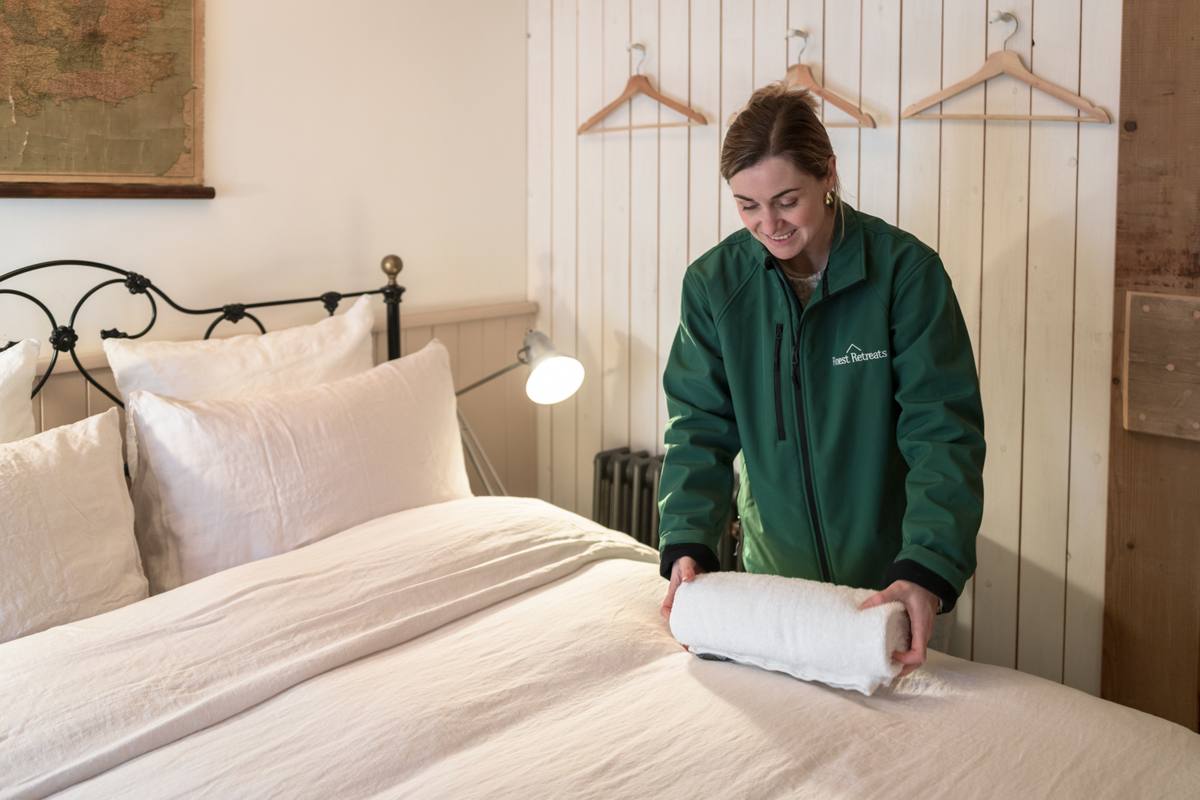
Holiday lets and second homes are not the same thing. If the government reclassifies holiday lets as second homes for council tax purposes, the economics of running one in England collapse. But the people who’ll feel it aren’t just owners. They’re the housekeepers who reset properties between checkouts so the next family walks into somewhere perfect. The holidaymakers who book because a well-managed cottage is available, and whose spending over a week keeps a local pub viable, a restaurant open in November, a village shop in profit through the quieter months.
What the modelling shows
New modelling from Finest Retreats, a holiday lettings management company, sets out what reclassification would mean in practice for an average managed holiday let. The model starts with a gross income of around £23,500, applies operating costs including housekeeper wages, maintenance, insurance and a management fee, and arrives at an operating margin of roughly 21% and a net profit of £4,976. When you add in a second home council tax bill of £4,784, that margin falls to under 1%. A profit of £4,976 becomes £192. That’s not a worst-case projection. It’s what the model shows at average figures. The full cost breakdown and methodology are published on Finest Retreats’ press page.
A building crisis
What makes this harder to absorb is that the proposed reclassification isn’t the first to hit the sector. Second home council tax premiums are already in place across much of England and Wales. Visitor levies are operating in Wales and Scotland. Stricter letting thresholds for business rates relief have reduced which holiday lets qualify as a business rather than a domestic property. Each of these financial challenges exist independently and together they compound. The government doesn’t appear to have run the numbers on what their combined effect is, let alone the knock-on impact on the wider hospitality industry and the tourism economy that depends on it.
The economic contribution of holiday lets
Most narratives focus on what holiday lets take from communities with less attention going to what they put in. New modelling by Finest Retreats, published on its press page, shows a single managed holiday let puts an estimated £10,178 a year into its local economy through housekeeper wages and payments to local trades. Add in what guests spend locally on food, drink and entertainment and the total contribution reaches £17,626. That’s seven times what a second home generates, and four times the contribution of a household living in the property full time, because of the local employment, eating out and services that a regularly occupied holiday let brings. Holiday lets are routinely blamed for damaging local communities but the numbers tell a different story.
What happens if the sector bottoms out
If the economics stop working, owners face the choice of passing costs on to holidaymakers through higher prices, or selling. Higher prices mean fewer bookings and fewer bookings mean the numbers won’t work at all. If owners sell properties that can’t generate a return as managed holiday lets they don’t automatically become affordable housing. Many were built or converted specifically for short-term use and can’t be converted into residential homes without planning permission that local authorities regularly refuse. Others sit in rural or coastal locations and lack the transport links, schools and services a family home requires. Some are even subject to planning conditions that explicitly prevent permanent occupancy.
Even where a sale is possible, the property is far more likely to become an empty second home than a family residence. When this happens, the housekeeper loses regular work, the local contractor loses the call-outs and the village pub loses the trade that makes opening five nights a week in October viable. A policy intended to protect communities may force exactly the outcome it was thought to prevent. There has been no public modelling from the government, setting out what the human cost would be and whether the communities it’s meant to help would be better or worse off.
Due diligence first, Budget second
The Budget arrives on 28th October. The government still has time to hold this decision back, run the numbers properly, and understand what this change would actually do to the people who depend on these businesses, before making it. If the government has done this modelling, it hasn’t been opened up to public scrutiny. The public deserves to see it before the Budget.
Contributor at The London News