Amazon sellers: peak season fees and the VAT on them
Amazon adds a peak fee to selected UK FBA orders from 15 October 2026 to 14 January 2027, plus 20 per cent VAT. Who gets that VAT back, and who simply pays it.

21 October 2026 · 4 min read
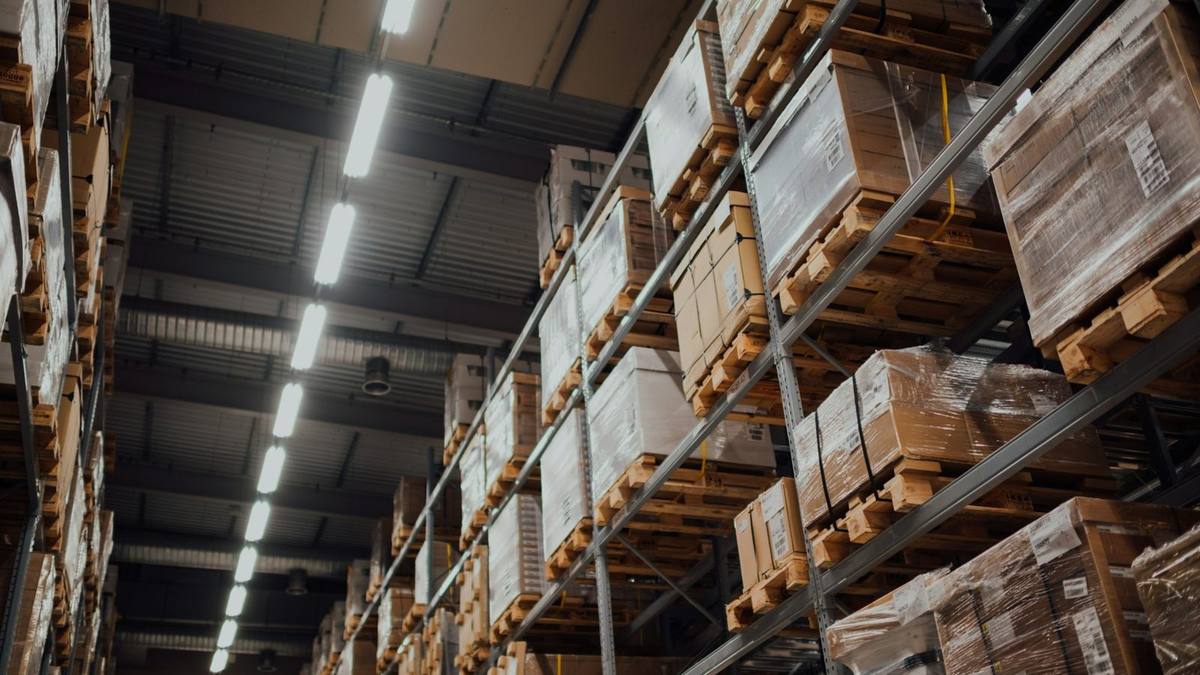
Amazon adds a festive peak fulfilment fee to selected Fulfilment by Amazon (FBA) orders shipped in the UK between 15 October 2026 and 14 January 2027. Amazon charges UK VAT on its fees, so each peak fee arrives with 20 per cent on top. Whether that VAT costs you anything depends on how you are set up for VAT.
What Amazon is charging
Amazon set out the terms in its peak season announcement to sellers in July. In the UK the fee applies to small and standard parcels and to large and extra-large envelopes, sent through local FBA or Remote Fulfilment from the EU. Amazon says the fee averages 12p per parcel item and 7p per large or extra-large envelope item, before VAT. Those are averages; Amazon's rate card gives the exact amounts.
Oversize items, Low-Price FBA items and items delivered to buyers in other EU countries are excluded. Amazon also says its 1.5 per cent fuel and logistics-related surcharge applies on top of the peak fee.
Twelve pence sounds like rounding. Across a Christmas of several thousand orders, it becomes a line on the invoice worth checking.
Why there is VAT on Amazon's fees
Since 1 August 2024, Amazon has billed UK-established sellers through the UK branch of Amazon EU S.à r.l., and charges VAT on its fees as a result. The change applied to every UK-established seller, VAT registered or not. Before then, most VAT-registered sellers handled the fees under the reverse charge, putting the VAT on the return and taking it straight back off again.
The peak fee is a fulfilment fee like any other, so it carries the same 20 per cent standard rate. The background is in our explainer on what changed for VAT on Amazon seller fees in 2024.
Three sellers, three different costs
The fee is the same for everyone. What it costs once VAT is added is not.
VAT registered, standard accounting. A VAT-registered business can reclaim the VAT on things it buys for the business. The VAT on the peak fee comes back through your VAT return, so the real cost is the fee before VAT.
On the Flat Rate Scheme. The VAT Flat Rate Scheme does not let you reclaim the VAT on your purchases, except certain capital assets over £2,000. The VAT on Amazon's fees stays a cost.
Not VAT registered. You cannot reclaim it either. Every Amazon fee, the peak fee included, costs you the VAT-inclusive price.
Illustration, not a real client. Leon sells kitchenware through FBA from a flat in Walthamstow. Between 15 October and 14 January, Amazon ships 2,500 of his standard parcel items. At the 12p average, his peak fees come to £300, plus £60 of VAT: £360 in total, before the fuel surcharge.
If Leon is VAT registered on standard accounting, he reclaims the £60 and peak season costs him £300 in fees. On the Flat Rate Scheme, or unregistered, it costs him £360. Same orders, same fee, £60 apart.
That gap is worth knowing before you set Christmas prices, not after.
Making the reclaim stand up
Reclaiming is not automatic. HMRC's VAT guide says that to reclaim VAT as input tax you must hold valid evidence that you received a taxable supply, and a VAT invoice is the normal evidence. A settlement report showing fees taken off a payout is not the same document.
Two things can stop it:
Bookkeeping that still treats Amazon's fees as reverse charge, as it did before August 2024. The VAT Amazon actually charged then never reaches the reclaim box.
Fees missing from the books altogether, because they were deducted from a payout and only the net cash was recorded. If the fee is not in the books, neither is its VAT.
If earlier returns missed VAT you were entitled to reclaim, it is not necessarily lost. HMRC's time limit for claiming input tax is four years from the due date of the return it first belonged on. The peak fee is also a business cost for profit purposes, alongside the rest of the costs an Amazon seller can claim.
What to do before the quarter closes
Price the fee in now. Amazon says the peak fee can be previewed in its Revenue Calculator and the FBA Fee Preview report.
Keep Amazon's VAT invoices for its fees, not just the settlement reports, and file them with your VAT records.
Check that your bookkeeping records Amazon's fees as purchases with 20 per cent VAT, not as reverse charge.
If you are on the Flat Rate Scheme or not registered, budget for the peak fee at its VAT-inclusive price.
Put the return date in the diary. If your VAT quarter ends on 31 December 2026, the return and payment are usually due by Sunday 7 February 2027, one calendar month and seven days later, so pay in time for the money to reach HMRC by then.
The fee runs until 14 January, so the first invoices of the new year need the same check as December's.
About the author
Harvey Dhillon is the founder and CEO of Zmartly, a UK accountancy firm for ecommerce sellers. He grew up in West London and worked in finance roles in investment banking, wealth management and private equity, starting at Barclays, before leaving in 2020 to build the firm. He is a Chartered Management Accountant (ACMA, CGMA).
Featured photo by CHUTTERSNAP on Unsplash.
Contributor at The London News