Amazon sellers: business buyers can ask for a VAT invoice
A VAT-registered Amazon seller must give a VAT invoice to a VAT-registered business buyer, normally within 30 days. When a shorter invoice will do.

21 November 2026 · 3 min read
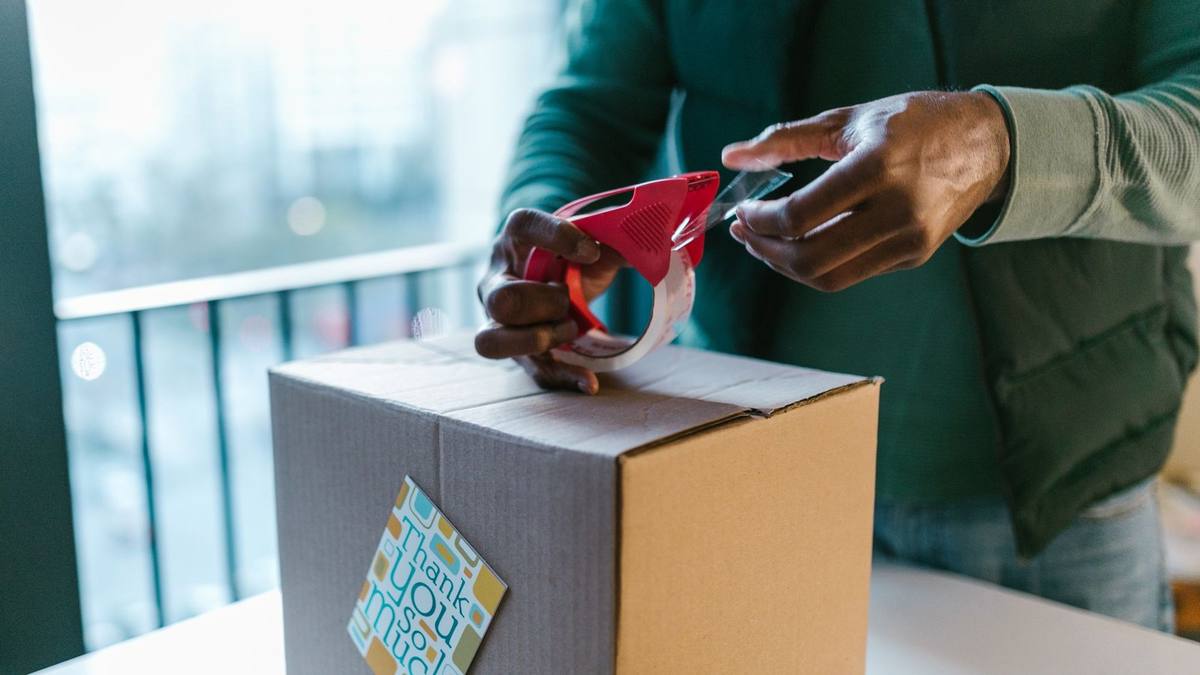
An Amazon seller who is registered for VAT and sells standard-rated goods to another VAT-registered business must give that business a VAT invoice, normally within 30 days. The buyer needs it: without a valid invoice, it cannot reclaim the VAT it paid you. In an online shop a business buyer can look like any other customer, so the practical rule is to issue one whenever you are asked.
What HMRC's guide says
HMRC's VAT guide is direct: "Whenever you supply standard-rated or reduced-rated goods or services to another VAT-registered person, you must give that person a VAT invoice." It also accepts that you will not always know who is registered. You do not need to issue invoices to customers who are not, and in practice, HMRC says, that "will probably mean issuing a VAT invoice to any customers who ask for one". You do not have to check the customer's registration first.
Two exceptions matter to sellers. Zero-rated goods, such as children's clothes and most books, need no VAT invoice. And goods sold under the second-hand margin scheme must not have one at all, because the scheme has its own invoices. For retail sales, the guide adds a warning: you may face a penalty if you do not issue a VAT invoice when a VAT-registered customer asks for one.
Full invoice or short one
A full VAT invoice carries a sequential number, the date of the sale, your name, address and VAT number, the customer's name and address, a description of the goods, the quantity, the VAT rate, the price before VAT, the total before VAT and any cash discount offered, the total VAT in pounds and the unit price.
For a sale of £250 or less, including VAT, a shorter retailer's invoice is allowed, unless the customer asks for a full VAT invoice. It needs your name, address and VAT number, the date, a description, and for each VAT rate the total including VAT and the rate.
Illustration, not a real client. Ola sells office chairs on Amazon from Croydon and is registered for VAT. A dental practice in Ilford buys six chairs at £150 each, £900 including VAT, and asks for an invoice.
The sale is over £250, so Ola issues a full VAT invoice: the practice's name and address, six chairs at £125 each before VAT, 20 per cent, £750 net and £150 of VAT.
He sends it within 30 days of the sale.
Had the practice bought one chair for £150, a retailer's invoice would have done, unless it asked for a full VAT invoice.
Why it matters more after 2027
From October 2027, marketplaces are due to collect the VAT on UK sellers' sales to consumers. HMRC's policy paper says the new rules "will not apply to" business-to-business transactions. So the VAT on sales to business buyers is set to stay on your own return, and so is the invoice that goes with it. The law is still to come.
Getting it ready
I would sort out three things before the first business order arrives: invoice numbers that run in one unbroken sequence, a template that carries every item on HMRC's list, and a record of every invoice you send. Gaps in the numbering are hard to explain later.
Sales to businesses and to consumers sit in the same VAT return, and our VAT service for Amazon sellers covers both. The first business buyer who asks for an invoice is the test of whether the set-up works.
About the author
Harvey Dhillon is Founder and CEO of Zmartly, an accountancy firm for ecommerce sellers. He grew up in West London and began his career in finance at Barclays, in investment banking and wealth management, before going full-time on Zmartly in 2020.
Featured photo by RDNE Stock project on Pexels.
Contributor at The London News