The hidden habits of European drivers: 92% of drivers have sped without realising it
New TomTom research among 3,000 drivers in the UK, France and Germany shows that on the routes they know best, most drivers don't use navigation, and that's where many get caught out.
23 November 2026 · 3 min read
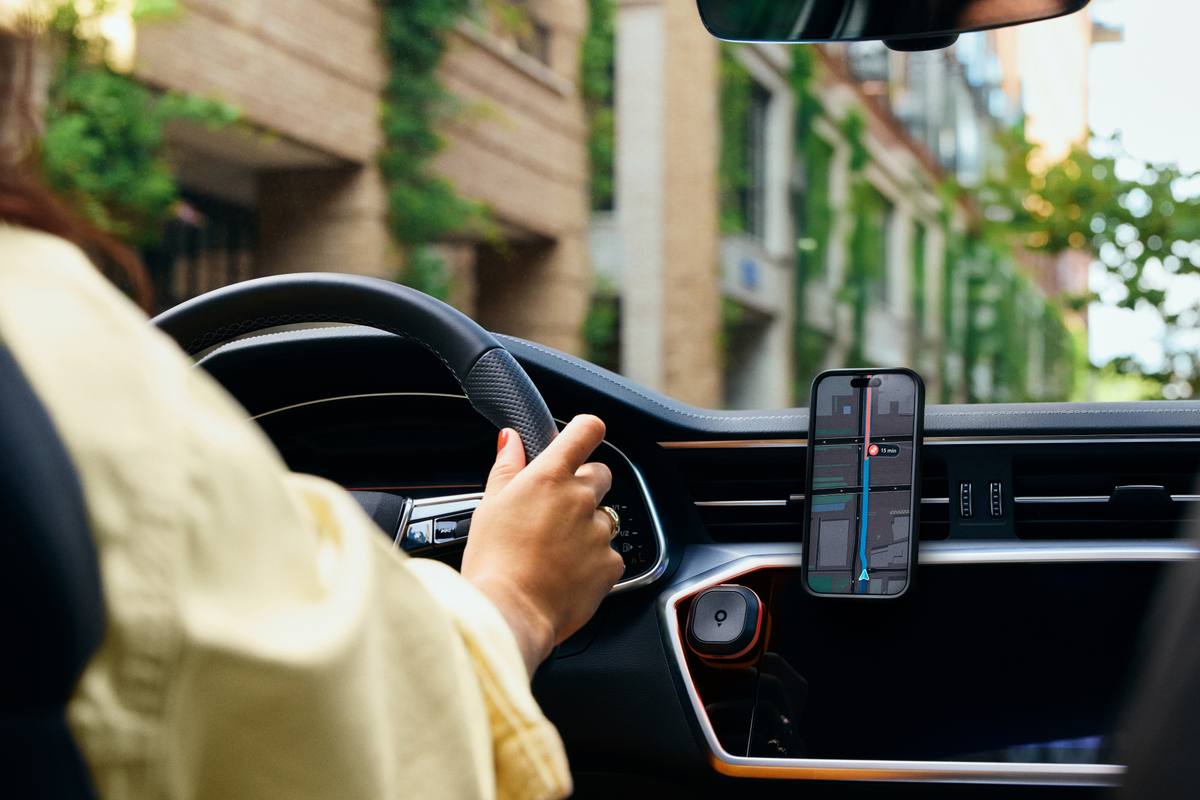
We might drive the same route to work every day, know every junction and recognise every traffic light. But new research from TomTom suggests the roads we know best may be where we are least prepared: 92% of drivers admit they have driven over the speed limit without initially realising it. Just 8% say it has never happened to them.
The survey of 3,000 regular drivers, conducted by Sapio Research, points to a gap in everyday driving. More than nine in ten (93%) drive the same routes daily or several times a week, yet almost three quarters (73%) only open a navigation app when heading somewhere unfamiliar. On the journeys they make most, drivers usually have no guidance at all, and that's where they get caught out: more than half (56%) are surprised by a change in traffic on a familiar route at least sometimes. It's the gap TomTom set out to close with Tom, a road alert assistant that switches on as soon as the driver gets in the car.
When the road becomes routine
For most people, driving is a matter of habit, and the commute is by far the most common journey. Familiar routes can feel so easy that attention quietly slips. Many drivers say they at least sometimes arrive at their destination with little memory of the journey.
The effect varies by country. British drivers are the most likely to admit to driving on "autopilot" on familiar routes (57%), compared with 49% of German and 34% of French drivers.
When the speed limit changes, do drivers notice?
Knowing a road well doesn't always mean knowing its speed limit. Only 11% of drivers say they are always sure what the limit is. Unfamiliar roads, limits that change along the same stretch and temporary roadworks cause the most doubt.
Fines are a real concern, too. More than a quarter of drivers are very or extremely worried about getting one, and over a third say they received a speeding fine or penalty in the past year.
Screens and speeding
Drivers want to stay informed, but how that information reaches them matters. Six in ten glance at a phone or in-car screen for alerts or directions at least some of the time, rising to around two thirds of under-35s. Those who check screens often are also more likely to report having sped without realising.
More technology isn't automatically the answer. What drivers value is the right information at the right moment: around two thirds rate warnings about incidents (68%) and congestion (67%) ahead as very or extremely useful.
Information for every journey, not just new ones
That everyday gap is what Tom by TomTom is designed to close. Unlike a navigation app, Tom is always on. It switches on as soon as the driver gets in the car, whatever the destination, including the familiar routes where few would think to open an app. Using simple sounds and coloured lights rather than another screen, it flags traffic jams and obstacles ahead, alerts drivers when they are speeding and, where permitted, warns of speed cameras.
Pim Spaanderman, Managing Director Consumer Business TomTom, said: "We mostly take the same routes and don’t rely on screen-based navigation, and thats where we get caught out. A third of drivers who use in-car technology (34%) have switched off alerts because there were too many or they weren't relevant. That tells us more notifications don't mean more awareness. What matters is whether the right information reaches you at the right moment, on every journey. That's what we designed Tom around: it's on from the moment you get in the car, wherever you're going."
Contributor at The London News