Motorists warned of £1,000 fine for 'illegal mods' they didn't know their vehicle had
There are 3 common modifications which could incur fines, MOT failures and insurance problems for millions of innocent used-vehicle buyers.
12 October 2026 · 4 min read
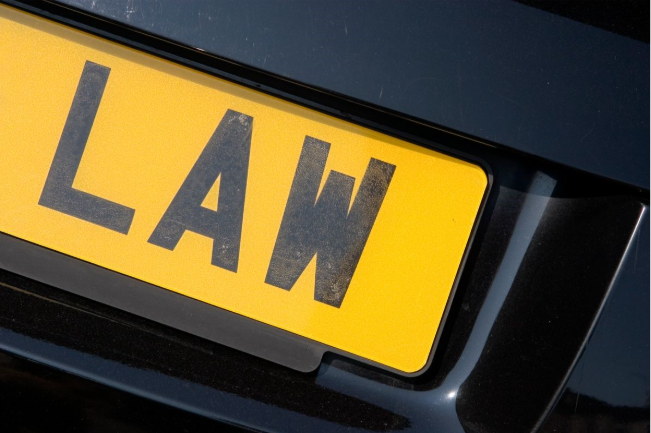
Brits are being warned that they could be fined, penalised, or have their insurance affected because of illegal modifications fitted to their vehicle by a previous owner - despite having no idea they were there.
It's easy for motorists to assume a modification on their vehicle is fine if it's common, sold as a legitimate part, or originally part of it. They also may not even be aware that their second-hand vehicle has been modified.
The warning comes as over 7.8 million used cars changed hands in 2025 - a 2.2% increase on the previous year and the third consecutive year of growth. Around half a million used motorcycle ownership transfers are also estimated to take place in the UK each year, according to analysis of DVLA vehicle data.
Inheriting Vehicle Modifications Without Knowing
Alisdair Wilson, a motoring expert from motorcycle insurance brand Lexham Insurance, explains:
“A modification, or "mod," is any change made to a vehicle from its original factory specification. Owners fit them for looks, performance or personal preference. However, some modifications can affect whether a vehicle remains road-legal or how it is treated by an insurer.
“The reason it’s becoming such a problem is that some of the most common mods are also among the easiest to inherit unknowingly, because they're sold as legitimate parts and don't always look out of place.”
Three Common Modifications That Risk Fines and MOT Failures
Non-compliant number plates
It is essential for number plates to meet the precise rules on font, spacing and material under the Road Vehicles (Display of Registration Marks) Regulations 2001 and government requirements. Motorists can be fined up to £1,000 and their vehicle can fail its MOT if their number plates do not comply with the requirements. On motorbikes, this often shows up as a “tail tidy” kit that angles or partially obscures the plate - a popular cosmetic upgrade that can breach the same visibility rules.
However, people may modify their vehicles with them for style, a cheaper replacement or even to avoid their plates being read by cameras or police officers.
“Even small deviations such as altered spacing, an unusual font, or a non-standard finish are illegal, but easy to miss unless you're comparing the plate against the exact specification,” says Alisdair.
“Plates are deceptive because they can look completely normal to most people, however it's worth taking a closer look, or asking the seller directly, if anything about the font or spacing seems unusual.”
Illegal exhaust mods
A vehicle's exhaust must not be altered in a way that increases noise beyond legal limits, under Regulation 54 of the Road Vehicles (Construction and Use) Regulations 1986. One of the most common breaches is removing a baffle on a car or ‘db killer’ on a motorcycle which can potentially push a legal system over the limit.
It's also one of the easiest mods for a previous owner to leave in place without declaring but can result in an MOT failure and potentially enforcement action if the vehicle is found to breach the relevant requirements.
Alisdair explains: “An exhaust that sounds noticeably louder than standard is one of the easiest warning signs to pick up on, even if you're not a mechanic. If something sounds off, it's worth asking questions before you buy or having it checked if you already own the vehicle.”
LED headlight bulbs
Alisdair continues: “Aftermarket lighting upgrades are often fitted to make headlights appear brighter, whiter or more modern, or to improve visibility at night. A previous motorcycle owner might have felt this addition made them safer, since a bike’s headlight is more easily missed by other drivers than a car’s four lights. But if a modification produces excessive glare or is incorrectly adjusted, it can cause problems for other road users and make the vehicle non-compliant.”
Rule 114 of The Highway Code states that lights must not be used in a way that dazzles or causes discomfort to other road users, reflecting the requirements of the Road Vehicles Lighting Regulations 1989.
“Modifications like aftermarket bulbs or lighting upgrades are easily inherited. If your headlights seem noticeably brighter than standard, or other road users are regularly flashing you, it's worth getting them checked.”
The motoring expert concludes:
“A vehicle's legal and insurance risk becomes your responsibility once you own it. Before buying a used car or motorbike, it’s absolutely worth looking and listening for warning signs - whether that’s an unusually loud exhaust, bluish headlights, or a number plate that doesn’t match specifications.”
If you already own the vehicle and suspect something isn't right, it’s important to act straight away:
“Get it checked by a garage or specialist before your next MOT so it can be sorted as soon as possible, to avoid being caught out or facing penalties. Also tell your insurer immediately, as failing to declare a relevant modification could delay or complicate a claim - even where it doesn’t result in an outright rejection.”
Contributor at The London News