London drivers urged to carry out five-minute tyre check before clocks go back
as 94% underestimate wet-road stopping risks
21 October 2026 · 4 min read
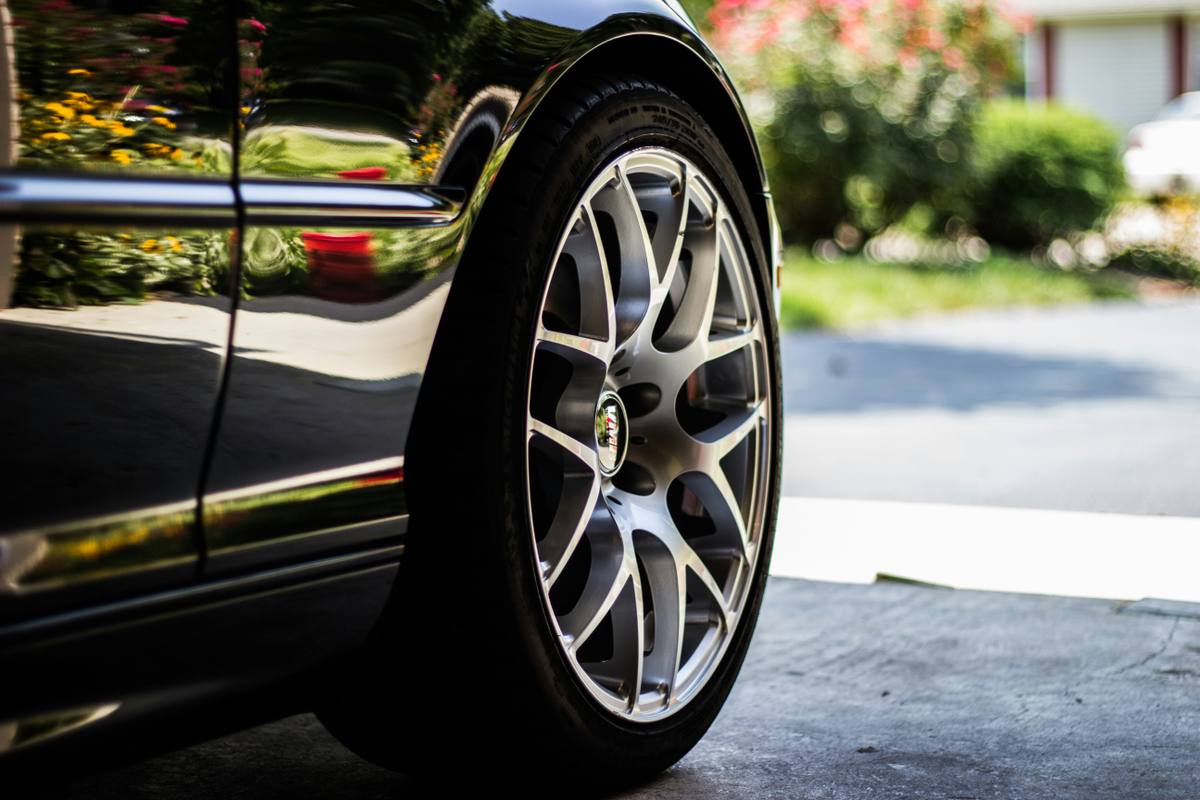
With darker evenings approaching, motoring experts reveal the simple 20p trick that could help London drivers stay safe and avoid fines of up to £2,500 per illegal tyre.
London motorists are being urged to check their tyres before the clocks go back this Sunday (25 October), as new research reveals that 94% of drivers underestimate the additional stopping distance needed on wet roads.
With the end of British Summer Time bringing darker evenings, reduced visibility and more journeys taking place after sunset, experts are warning that worn or underinflated tyres could put drivers at greater risk.
For Londoners navigating busy roads, stop-start traffic, pedestrian crossings and cyclists, the seasonal change is an important reminder to make sure vehicles are ready for autumn conditions.
Research from road safety charity TyreSafe found that while 83% of drivers believe they understand their vehicle's stopping distance, just 6% could correctly identify how much further it takes to stop on a wet motorway.
The findings come during October's Tyre Safety Month, with experts urging motorists not to underestimate the impact that rain, falling temperatures and poor tyre maintenance can have on road safety.
Nationwide Vehicle Contracts has shared five simple checks drivers can carry out in just a few minutes, including a 20p coin trick that could help identify dangerously worn tyres.
Why the clocks going back matters for London drivers
When the clocks go back at 2am on Sunday 25 October, sunset will occur around an hour earlier by the clock.
This means more Londoners will find themselves driving home from work, collecting children from after-school activities or making evening journeys in darkness.
Reduced visibility can make it harder to spot pedestrians, cyclists and hazards ahead, particularly on busy urban roads.
Autumn also brings wet leaves, surface water and slippery conditions, making tyre grip and adequate stopping distances particularly important.
Experts recommend leaving extra space between vehicles, reducing speed in poor conditions and checking that headlights, brake lights and windscreen wipers are working correctly.
Five tyre checks every London driver should know
1. Use the 20p coin trick to check tyre tread
The legal minimum tread depth for most cars is 1.6mm across the central three-quarters of the tyre and around its entire circumference.
Drivers can carry out a quick check by placing a 20p coin into the main tread grooves.
If the outer band of the coin remains visible, the tyre should be checked using a proper tread-depth gauge or by a professional.
The test should be repeated at several points on each tyre, as wear can be uneven.
Motorists caught driving with illegal tyres could face fines of up to £2,500 and three penalty points for each defective tyre.
2. Check tyre pressures as temperatures fall
As temperatures drop, tyre pressures can fall too.
Underinflated tyres can affect handling, increase braking distances, reduce fuel efficiency and wear out more quickly.
Drivers should check pressures when their tyres are cold, using the manufacturer's recommended figures found in the vehicle handbook, inside the driver's door or near the fuel filler cap.
3. Look for damage before setting off
Cuts, cracks, bulges and embedded objects can all be signs of tyre problems.
London drivers should also watch for damage caused by potholes and kerb impacts, particularly if they regularly park on narrow streets or negotiate busy roads.
Any visible bulge, serious damage or suspected puncture should be professionally assessed before driving.
4. Make tyre checks a monthly habit
Experts recommend checking tyre pressure, tread depth and overall condition at least once a month and before longer journeys.
Regular inspections can help identify problems between MOT tests and reduce the risk of unexpected breakdowns.
5. Make simple changes to help tyres last longer
Keeping tyres correctly inflated, checking wheel alignment and avoiding harsh braking or rapid acceleration can reduce unnecessary wear.
Drivers should also check their spare tyre or puncture-repair kit before travelling.
Expert warning ahead of darker evenings
Keith Hawes, Director of Nationwide Vehicle Contracts, said:
"Tyres are one of the most important safety features on a vehicle, yet they're often overlooked. As autumn brings wetter roads, colder temperatures and reduced visibility, worn or underinflated tyres can have a major impact on grip, handling and stopping distances.
"What's particularly concerning is how many drivers underestimate the extra stopping distance needed in wet conditions. The good news is that checking your tyres is quick and simple. A basic 20p tread test, pressure check and visual inspection can be done in just a few minutes.
"Our advice is to make tyre checks part of your regular routine. Spending five minutes now could help improve safety, avoid unnecessary costs and provide greater peace of mind on the road."
With the clocks going back this weekend, London motorists are being encouraged to use the opportunity to check their vehicles before the darker winter evenings arrive.
For more motoring and vehicle maintenance advice, visit the Nationwide Vehicle Contracts website.
Sources: TyreSafe – The Great British Brake Myth | Tyre Safety Month 2026
Image credit: Unsplash
Contributor at The London News