Chinese EVs have generated two safety recalls to Western rivals' 26, new analysis finds
None of the 12 most popular Chinese EVs qualify for the UK's £3,750 Electric Car Grant, but Hippo Leasing's research shows most still undercut their closest rivals on monthly lease cost.
11 September 2026 · 2 min read
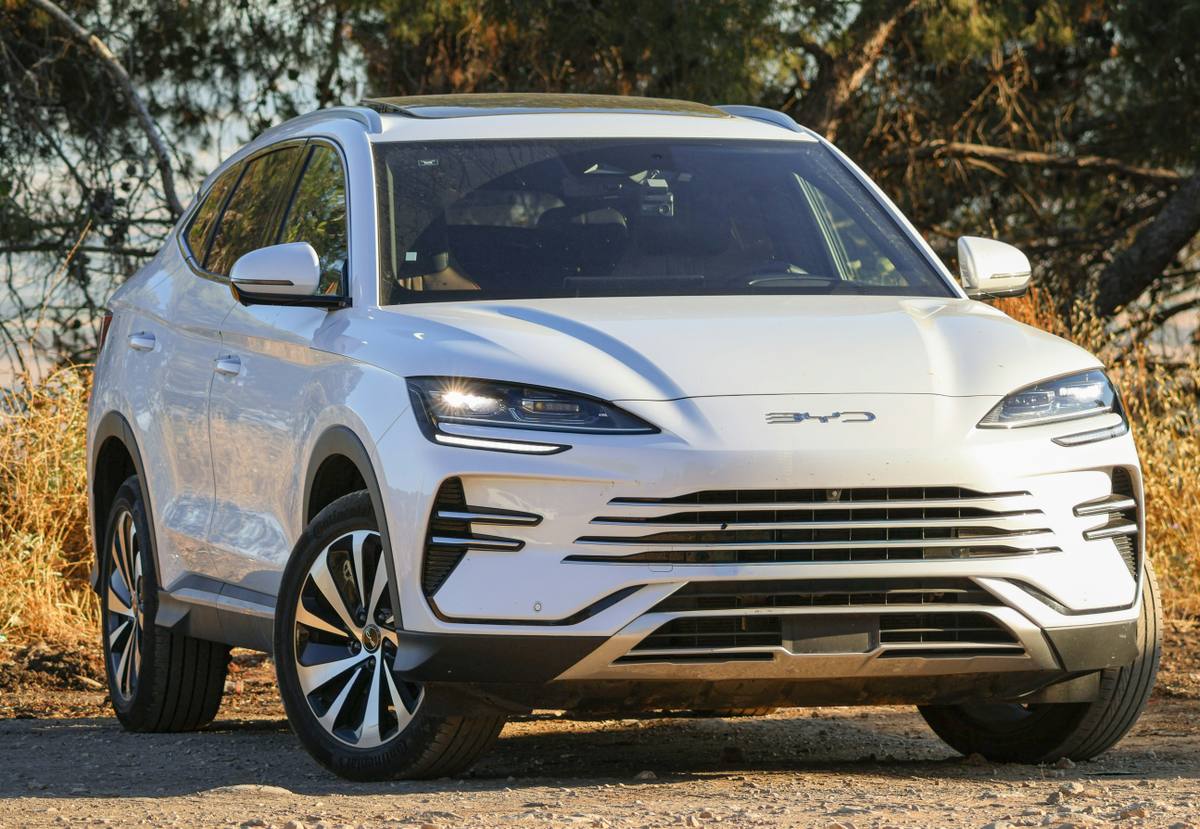
One of the biggest hesitations drivers have about switching to a Chinese EV is the company behind it, with many drivers asking themselves whether parts, servicing and support will still be there in five years. New analysis from Hippo Leasing, which compared 12 popular Chinese EVs with their closest mainstream rival, suggests that hesitation is worth revisiting.
The parent companies behind these brands are not the unknown quantities some drivers assume. Geely, which builds the new EX5, was founded in 1986 and already owns Volvo, Polestar and Lotus. Chery, the parent company of Omoda and Jaecoo, passed 20 million cumulative global vehicle sales in July 2026 and operates in more than 130 countries. Leapmotor took a €1.5 billion investment from Stellantis, the group behind Vauxhall, Peugeot and Citroën, in 2023 for an approximately 20% stake, and now sells through a Stellantis-led joint venture outside Greater China. BYD has been manufacturing batteries since 1995. None of this guarantees a specific model's long-term residuals, but it does answer the question that tends to come up in procurement conversations.
The recall data backs this up, with some caveats. Across the 12 pairings, the Chinese models generated two DVSA safety recalls between them, against 26 for their Western and East Asian rivals, and ten of the 12 hold a completely clean record. Newer models have had less time on UK roads to accumulate a recall history, and a recall itself shows a manufacturer identifying and fixing an issue rather than the reverse, so this isn't a case of one country building safer cars than another. Hippo Leasing's advice for anyone comparing models is to check the DVSA record and current Euro NCAP rating for the specific car in question, not its country of origin.
The grant picture is less favourable. None of the 12 Chinese EVs in the analysis currently qualify for the £3,750 Electric Car Grant, which matters for the total cost of ownership regardless of a model's individual merits. Even so, on Hippo's own lease data, the Chinese models undercut their rival on monthly cost in 7 of the 11 comparable pairings, or 64%, though that gap narrows or reverses once financing is factored in.
Tom Preston, Chief Executive Officer at Hippo Leasing, said: “For those looking to lease a Chinese EV, drivers should evaluate vehicles on a model-by-model basis rather than treating the badge as a blanket guarantee or red flag. Compare real post-grant prices, check active safety ratings, and run live insurance quotes before signing a lease to make sure you're getting the best deal.”
The same principle applies to fleet procurement as much as it does to individual drivers: judge the model, not the badge.
The full model-by-model breakdown, covering price, lease cost, range, charging speed, safety ratings and manufacturer background for all 12 pairings, along with commentary addressing the most common myths about Chinese EVs, is available on the website.
Contributor at The London News